






The Purity Standard: 24K vs 22K
The most significant difference lies in purity. Gold coins, designed for investment, are typically made from 24 Karat (24K) gold, which is 99.9% pure. This is the highest level of purity, ensuring you get the maximum amount of gold for its weight. Gold jewellery,
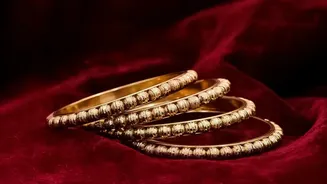
on the other hand, is usually made from 22 Karat (22K) gold, which is 91.6% pure gold mixed with other metals like copper or silver. This alloy is necessary to make the gold strong and durable enough to be crafted into intricate designs and withstand daily wear. For a pure investment, 24K coins hold a clear advantage.
Making Charges: The Hidden Cost
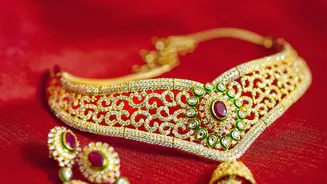
Making charges are the costs of labour and craftsmanship, and this is where the two options diverge dramatically. Gold jewellery, especially with intricate designs, comes with high making charges, often ranging from 8% to over 25% of the gold's value. These charges are non-recoverable. When you sell the jewellery, you only get paid for the net weight of the gold, not for the artistry you paid for. In contrast, gold coins have minimal making charges, sometimes as low as 1% to 4%, because they are mass-produced by stamping. This makes coins a much more cost-effective way to accumulate gold.
Resale Value and Liquidity
From a purely financial perspective, gold coins offer superior resale value and liquidity. Since they are 24K pure and have standardised weights, they are easy to value and can be sold to almost any jeweller or dealer at the prevailing market rate for pure gold. Selling jewellery is more complex. The jeweller will melt it to test purity, and you will lose the value of the making charges and any non-precious stones. Some jewellers may even offer a better buy-back price only for pieces originally purchased from their store, limiting your options. Because of these deductions, jewellery often loses 10-15% of its original purchase value upon resale, a loss that is largely avoided with coins.
The GST Impact on Your Purchase
The Goods and Services Tax (GST) applies to both forms of gold. A 3% GST is levied on the value of the gold itself, whether it is a coin or jewellery. However, for gold jewellery, there is an additional 5% GST applied to the making charges. Since jewellery has significantly higher making charges, the total tax paid ends up being more than what you would pay for a gold coin of the same weight. This further widens the cost gap between the two.
Purpose: Investment vs. Personal Use
Ultimately, the best choice depends on your primary reason for buying. If your goal is purely investment—to store wealth, hedge against inflation, and achieve financial returns—gold coins are the clear winner. They are more efficient in terms of cost, purity, and resale value. If your goal is a mix of personal use and value storage—something beautiful to wear for special occasions that also serves as an asset—then jewellery is the natural choice. It offers the joy of adornment and holds significant cultural and emotional value, even if it is not the most efficient financial instrument.