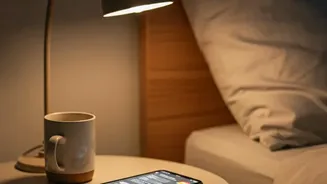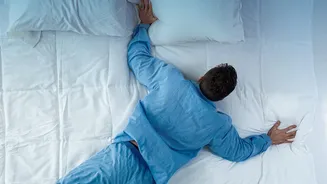








That late-night scroll through your phone feels harmless, but it might be the reason you're tossing and turning. The link between our glowing screens and poor sleep is stronger than you think, affecting your body's natural rhythms.
The Science of Screens and Sleep
Our bodies have a natural
24-hour internal clock called the circadian rhythm, which tells us when to feel sleepy and when to be alert. This clock is heavily influenced by light. The problem is that the screens on our phones, tablets, and laptops emit a high concentration of blue light. During the day, blue light is helpful, boosting attention and mood. But at night, it becomes a problem. Evening exposure to this blue light tricks your brain into thinking it's still daytime, which suppresses the production of melatonin, the key hormone that signals your body it's time to sleep. Without that crucial signal, it becomes much harder to fall asleep, even when you feel tired.
It's More Than Just Blue Light
While blue light is a major culprit, the content we consume on our screens also keeps us awake. Engaging with stimulating content—like playing a fast-paced game, scrolling through social media, or answering a stressful work email—keeps your brain in a state of high alert. This mental stimulation increases your heart rate and cognitive arousal, which is the exact opposite of the calm, relaxed state needed to drift off to sleep. Constant notifications and the temptation to check your device just one more time can also lead to fragmented sleep, preventing you from reaching the deeper, more restorative stages of rest.
Create a 'Digital Curfew'
The most effective way to combat the effects of screen time is to establish a 'digital curfew'. Most experts recommend powering down all electronic devices at least one to two hours before your intended bedtime. This creates a crucial buffer period for your brain to wind down and for melatonin levels to rise naturally. If a two-hour window seems too difficult, start with 30 or 60 minutes and gradually increase it. The key is consistency. Making this a non-negotiable part of your nightly routine helps reinforce the signal to your body that sleep is approaching.
Practical Tips for Better Sleep
Beyond a digital curfew, several other habits can significantly improve your sleep hygiene. First, make your bedroom a screen free zone. Charge your phone and other devices in another room, like the living room or kitchen, to remove the temptation to scroll in bed. If you must use a device in the evening, enable 'Night Mode' or a blue light filter, which shifts the screen's colour to a warmer, less disruptive tone. Finally, replace your evening screen time with relaxing, offline activities. Try reading a physical book, taking a warm bath, doing some gentle stretching, listening to calming music, or journaling. These activities help calm the nervous system and prepare your body for rest.
The Rewards of Reclaiming Your Rest
The benefits of reducing late night screen time go far beyond simply falling asleep faster. Consistently getting high quality sleep has a profound impact on your overall health and well being. People with good sleep hygiene report having more energy during the day, a better mood, and a stronger ability to handle stress. Quality sleep is essential for cognitive functions like memory, concentration, and problem solving. Physically, it supports a healthy immune system, helps regulate hormones related to hunger and metabolism, and allows your body to repair itself. By making small changes to your nightly routine, you are investing in your long term physical and mental health.