


Ditch the 'All-or-Nothing' Mindset
The biggest trap during the festive season is viewing food as either 'good' or 'bad'. This binary thinking forces a choice between total indulgence and rigid restriction. Nutrition experts suggest a more balanced approach. A few days of enjoying special
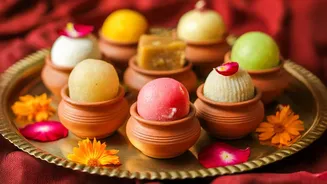
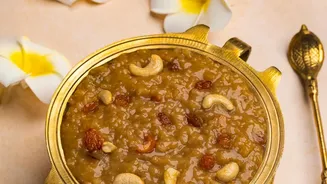
meals will not derail your long-term health goals. The key is to let go of the idea that you have 'failed' if you eat a gulab jamun or a samosa. Instead of aiming for perfection, aim for balance. Embracing moderation allows you to participate in cultural traditions without the mental burden of guilt. Remember that one meal or one day of different eating patterns won't throw your body completely out of balance.
Practice Mindful Indulgence
Instead of mindlessly grazing, be present and savour the foods you truly love. Mindful eating involves paying full attention to your meal—the flavours, textures, and aromas. Eat slowly and put your fork down between bites; this gives your brain time to register fullness, preventing overeating. A practical tip is to use a smaller plate. This helps with portion control naturally. At a buffet, scan all the options before filling your plate. Prioritise a few favourites rather than trying to sample everything. This conscious enjoyment satisfies cravings more effectively than eating large quantities while distracted.
Build a Balanced Plate
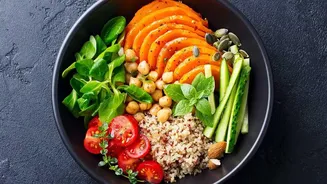
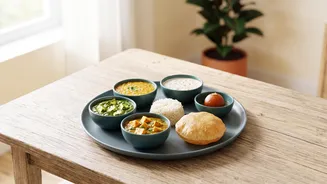
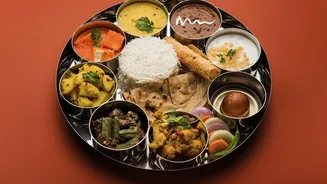
A simple strategy for navigating festive meals is the 'plate method'. Aim to fill half of your plate with vegetables or a salad. These high-fibre options help you feel full and support digestion. Dedicate one-quarter of the plate to a protein source like dal, paneer, chickpeas, or lean meat. Protein increases satiety and can prevent you from overindulging in other items. The final quarter can be for carbohydrates such as rice, roti, or your favourite festive treats. This structure ensures you get essential nutrients while still leaving room for special dishes.
Plan and Prepare
A little planning can make a huge difference. Don't arrive at a party feeling ravenous, as this often leads to overeating. Have a small, healthy snack like a piece of fruit or a handful of nuts before you go. Staying hydrated is also crucial, as thirst is often mistaken for hunger. Drink a glass of water before your meal to help manage your appetite. It's also wise to be mindful of liquid calories from sugary drinks and cocktails, which can add up quickly. Opting for water or nimbu pani can be a smart choice.
Focus Beyond the Food
Festivals are about connecting with loved ones, not just eating. Shift your focus from the food to the conversations and celebrations. Engage with family and friends, participate in games, or help with hosting duties. Incorporating light physical activity, like a family walk after a meal, can also aid digestion and boost your mood. Staying active helps balance out the extra calories and keeps you feeling energised.
Move on From Guilt
If you do overindulge, don't beat yourself up. Many people experience food-related guilt during the holidays, but it is counterproductive. Punishing yourself by skipping the next meal or over-exercising is an unhealthy cycle. Instead, simply accept it and return to your usual eating routine at the next meal. Drink plenty of water and focus on nutrient-dense, home-cooked meals the following day to help your body reset. Remember, consistency over time is more important than a single festive meal.