



The Sun’s Restless Heartbeat
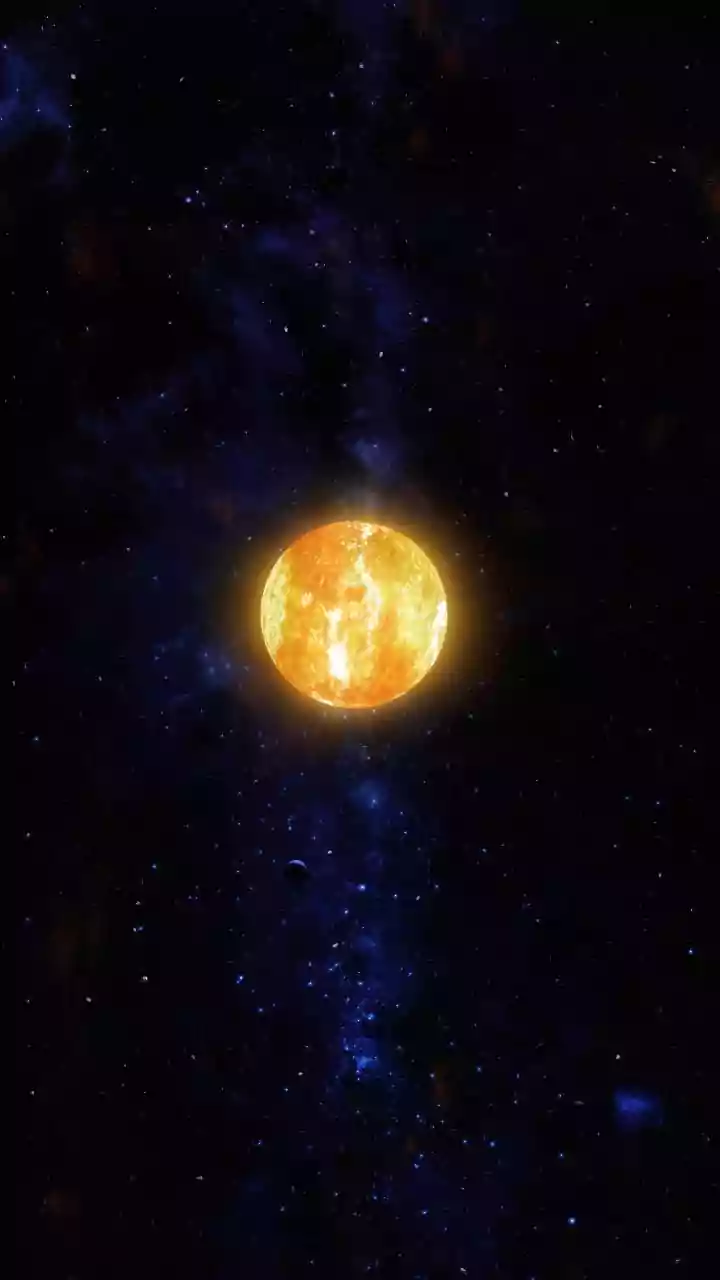
Our sun isn't a constant, unchanging star. It has a heartbeat of sorts—a roughly 11-year cycle that swings between quiet periods and stormy ones. This rhythm is driven by the sun's complex and ever-changing magnetic field. At the beginning of a cycle,
known as the solar minimum, the sun is calm with very few sunspots. But as the cycle progresses, its magnetic field becomes increasingly tangled and chaotic. This magnetic turmoil is what drives solar activity, leading us towards the peak of the cycle: the solar maximum.
What is the 2026 Solar Maximum?
Solar maximum is the period of greatest solar activity, a phase lasting a few years where the sun's magnetic poles flip. We are currently in the midst of the peak for Solar Cycle 25, which began in December 2019 and is proving to be much more active than scientists initially predicted. During this time, the sun's surface is covered in sunspots, which are cooler, darker areas of intense magnetic activity. This peak phase, spanning from 2024 through 2026, is marked by a dramatic increase in solar flares and massive eruptions. It's not a single event, but a prolonged season of solar storms.
Solar Flares and CMEs: The One-Two Punch
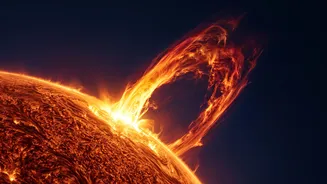
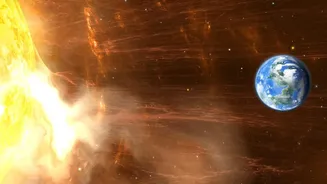
Two types of solar events are the primary cause of space weather disruptions. The first is a solar flare, a powerful burst of radiation that travels at the speed of light, reaching Earth in just over eight minutes. These can cause immediate and high-frequency radio blackouts on the sunlit side of our planet. The second, and often more disruptive, event is a Coronal Mass Ejection (CME). A CME is a colossal explosion that hurls billions of tonnes of magnetised plasma into space at immense speeds. If aimed at Earth, these clouds of charged particles can arrive in as little as 15 hours, slamming into our planet's magnetic shield.
How Earth’s Defences Are Breached
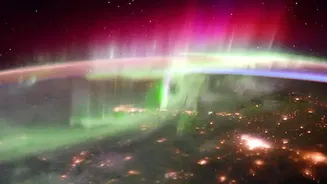
Earth is protected by its magnetosphere, a magnetic bubble that deflects most of the solar wind and radiation. However, a powerful CME can distort and overwhelm this shield, triggering what is known as a geomagnetic storm. During such a storm, energetic particles leak into our upper atmosphere. This influx of energy is what creates the beautiful auroras, but it also induces powerful electrical currents both in space and on the ground. It's these induced currents that pose the greatest threat to our technological infrastructure.
Real-World Risks for a Wired India
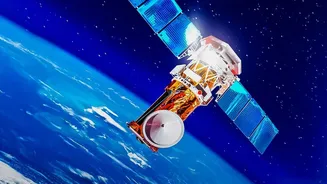
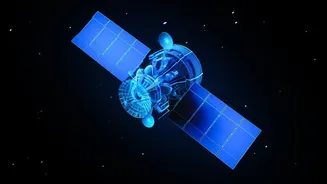
The effects of a severe geomagnetic storm are not abstract. They can disrupt the satellites we rely on for GPS navigation, online banking, and television broadcasts. Astronauts in space face heightened radiation risks. On the ground, the induced currents can overload power grids, potentially causing widespread blackouts like the one that struck Quebec in 1989. For a nation as digitally integrated as India, the potential for disruption to communication networks, aviation, and financial systems is significant. The very technologies that power our modern lives are vulnerable to these celestial outbursts.
Watching the Storm: India’s Eye on the Sun
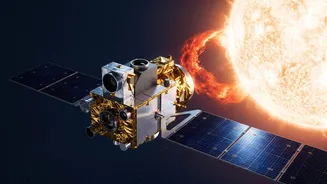
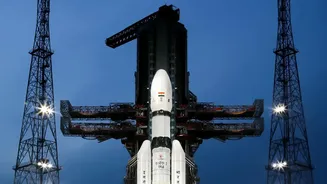
We are not powerless against these solar tempests. Constant monitoring allows for warnings to be issued, giving satellite operators and grid managers time to take protective measures. India is a key player in this global effort with its Aditya-L1 solar observatory. Launched in 2024, Aditya-L1 is positioned 1.5 million kilometres from Earth, providing an uninterrupted view of the sun. Its instruments are designed to study CMEs and the processes that trigger solar flares, helping to improve space weather forecasts. As the solar maximum unfolds, Aditya-L1 gives Indian scientists a front-row seat to understand and predict the sun's turbulent behaviour.