






The Burnout Generation's Quiet Rebellion
Workplace stress is more than just a buzzword; it's a silent epidemic in our hyper-connected world. The pressure to be 'always on'—replying to emails after hours, taking calls during commutes, and constantly striving for more—takes a significant toll.
This relentless pace keeps our bodies in a state of high alert, a 'fight-or-flight' mode that was designed for short-term survival, not for navigating quarterly reports. Over time, this chronic stress can lead to burnout, anxiety, and a host of physical ailments. Recognising this, many are seeking sustainable ways to reclaim their calm, not as a luxury, but as a necessity for long-term well-being and professional longevity.
What Exactly Is Yin Yoga?
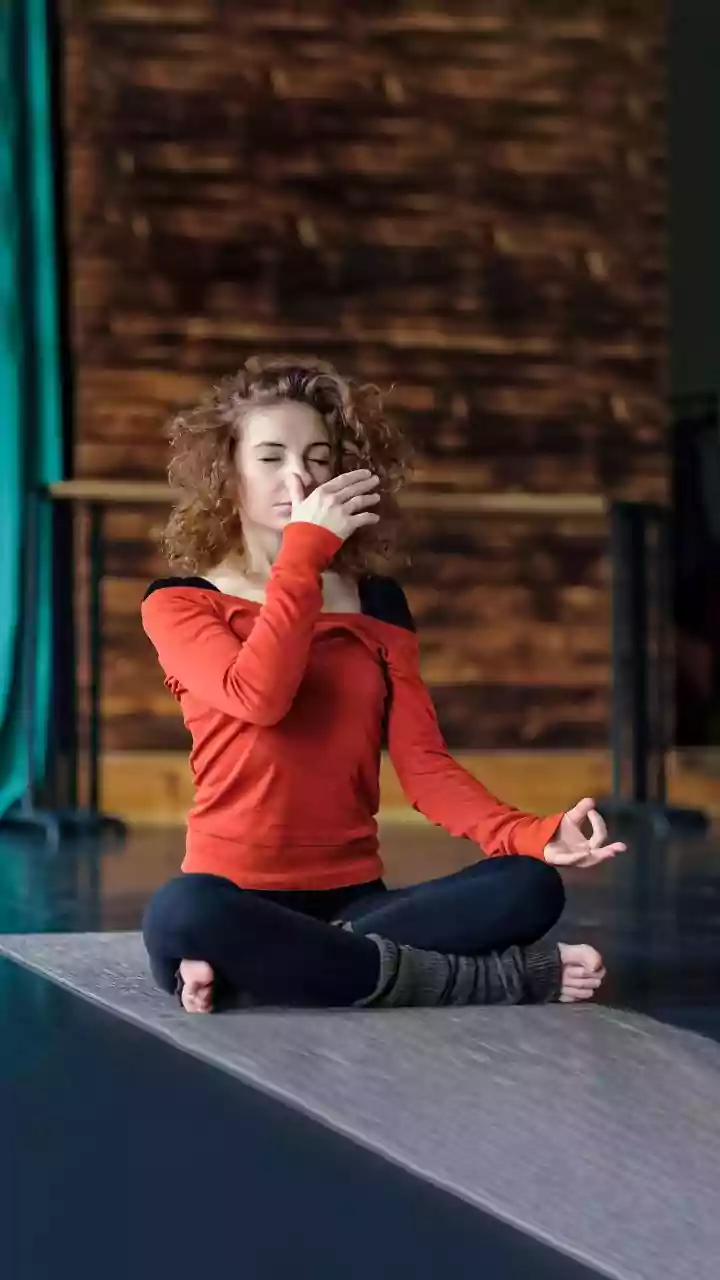
When you think of yoga, you might picture fast-paced, flowing sequences that build heat and muscle. Yin Yoga is the complete opposite. It’s a slow, meditative practice where poses, mostly seated or lying down, are held for extended periods—typically three to five minutes, or even longer. Instead of targeting muscles, Yin Yoga works on the deeper connective tissues, like ligaments, fascia, and joints. It’s less about how the pose looks and more about how it feels. The practice is not about pushing yourself to the limit; it's about finding your 'edge'—that gentle point of resistance—and then softening into stillness. This quiet, passive approach provides a profound counterbalance to the 'yang' energy of our busy, active lives.
From 'Fight-or-Flight' to 'Rest-and-Digest'
The magic of Yin Yoga lies in its effect on the nervous system. Our bodies have two main operating systems: the sympathetic nervous system (SNS), which governs our 'fight-or-flight' response, and the parasympathetic nervous system (PNS), which controls our 'rest-and-digest' functions. Chronic workplace stress keeps the SNS on overdrive. Yin Yoga, with its long holds, deep breathing, and quiet environment, is a powerful tool to consciously activate the PNS. As you settle into a pose and focus on your breath, your heart rate slows, your blood pressure drops, and your body gets the signal that it's safe to relax and repair. This isn't just a feeling; it's a physiological shift that helps combat the corrosive effects of stress.
The Mental Resilience Workout
The benefits of holding a pose for five minutes extend far beyond physical flexibility. It’s a mental workout. When you stay in a single position, your mind will likely start to wander, complain, or urge you to move. Yin Yoga teaches you to observe these thoughts without judgement and to sit with discomfort—both physical and mental. This practice of mindful endurance builds patience and emotional regulation. You learn to differentiate between genuine pain (which you should never ignore) and the discomfort of a new challenge. These are invaluable skills that translate directly back to the workplace, helping you navigate a difficult meeting or a frustrating project with a calmer, more centred perspective.
Why the Candlelight Matters
The 'candlelit' aspect of a Yin class isn't just a gimmick; it’s a crucial part of the experience. We are constantly bombarded with sensory information, especially from screens. The soft, low light of a candlelit room drastically reduces this stimulation. It signals to your brain that the day is winding down and that it's time for rest. This gentle ambience helps quiet the mind, making it easier to turn your focus inward. It creates a safe, womb-like container where you can feel vulnerable and let go of the armour you wear throughout the day, fostering a deeper state of relaxation and introspection.