



The First Five Minutes: Immediate Action
The golden rule of monsoon shoe care is to act fast. The longer damp mud and moisture sit on your shoes, the higher the risk of permanent stains, material damage, and fungal growth. Before you do anything else, find a designated spot and get to work.
First, knock your shoes together outdoors or over a waste bin to dislodge any large clumps of dried or wet mud. Next, take out the laces and insoles; this allows the shoe to open up and breathe, which is critical for thorough drying. Laces and insoles should be washed and dried separately. A quick wipe-down with a dry or slightly damp cloth can remove the initial layer of grime before you move on to a deeper clean.
The Deep Clean: Material Matters
How you clean your shoes depends entirely on what they are made of. For leather shoes, avoid soaking them. Instead, use a damp cloth, perhaps with a very mild soap, to gently wipe away the dirt. For stubborn spots, a mixture of equal parts white vinegar and water blotted onto the area can be effective. Suede is particularly delicate; it's best to let the mud dry completely before gently brushing it off with a suede brush or a soft cloth. For canvas or fabric sneakers, you can be a bit more vigorous. Use a soft brush and a solution of mild detergent in warm water to scrub away the stains. Whatever the material, the key is to be gentle and avoid harsh chemicals or abrasive scrubbing that can damage the surface.
The Drying Game: Patience is a Virtue
This is the most crucial—and often mishandled—step. Never use direct heat sources like a hairdryer, heater, or oven to dry your shoes. High heat can cause leather to crack, adhesives to melt, and materials to warp permanently. The best method is slow and steady air-drying in a well-ventilated indoor space, away from direct sunlight which can cause fading. To speed up the process and help your shoes retain their shape, stuff them tightly with crumpled newspaper or paper towels. The paper will absorb a surprising amount of moisture from the inside. Check every few hours and replace the damp paper with a fresh, dry batch. Depending on how wet they were, it might take a full day or two for them to dry completely.
Banish Odour and Fungus
Dampness is a breeding ground for odour-causing bacteria and fungus. Once your shoes are clean, you need to ensure they don't develop that dreaded musty monsoon smell. A great home remedy is to place a few dry tea bags or a small cloth pouch filled with baking soda inside each shoe overnight. Baking soda is excellent at absorbing both lingering moisture and unpleasant odours. You can also use silica gel packets—the kind that come in new shoe boxes—or activated charcoal for the same effect. For an added layer of protection, especially during humid months, consider lightly dusting the inside of your dry shoes with an antifungal powder before wearing them.
Condition and Prepare for Next Time
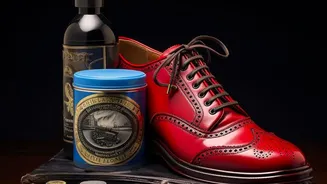
After your shoes are completely dry, a final step can restore their look and protect them from the next downpour. For leather shoes, the process of getting wet and drying out can strip the material of its natural oils, leaving it brittle. Apply a quality leather conditioner to nourish the material and restore its suppleness. For many types of shoes, including suede and canvas, a waterproofing spray can provide an excellent protective barrier against future rain and stains. It's also wise to rotate your footwear. Avoid wearing the same pair of shoes two days in a row, as this gives them a full 24 hours to air out and dry completely, significantly extending their lifespan.