








The Great Unplugging
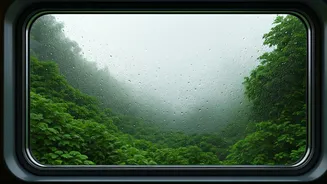
A new trend, often called 'silent travel' or 'quietcations', is reshaping how young Indians explore the world. It's a direct response to the constant digital noise and burnout from our hyper-connected lives. Instead of seeking out the most chaotic party
spots, a growing number of Gen Z and Millennial travellers are actively choosing destinations that offer peace and a chance to disconnect. This isn't about boredom; it's a deliberate move to prioritise mental wellbeing. Reports suggest that the primary motivation for travel in 2026 is to rest and recharge, with many citing screen fatigue and burnout as their main reasons for booking a trip. This shift is away from vacations designed for social media validation and towards trips that offer genuine restoration for the mind and soul.
Beyond the 'Gram
For years, travel was dictated by what would look good on an Instagram feed. This led to 'overtourism', where popular spots become so congested that they lose their charm and strain local resources. Younger travellers are now leading a pushback. They are actively seeking 'hidden gems' and places that are 'off their feeds', showing a growing preference for rural areas and small towns over crowded cities. This is partly a reaction to the loss of authenticity at viral locations, but it’s also a search for something more personal and restorative. The desire is no longer to just see things, but to 'feel' better, turning travel into an intentional act of self-care and discovery.
Redefining 'Better Scenery'
The phrase 'better scenery' has taken on a new meaning. It’s not just about a landscape that's pretty to look at, but one that is immersive and undisturbed. Proximity to nature is a key priority shaping travel decisions for a vast majority of young travellers. This is fueling interest in what are being called 'hushed hobbies'—quiet activities like birdwatching, fishing, or simply hiking through nature. The trend of 'slow travel'—staying in one place for longer to soak in the local culture—is a natural extension of this mindset. It’s about quality over quantity, favouring deep cultural immersion over a rushed checklist of sights. The goal is to connect with a place on a more meaningful level, which is hard to do when you're being herded from one photo op to the next.
The Indian Landscape of Quiet
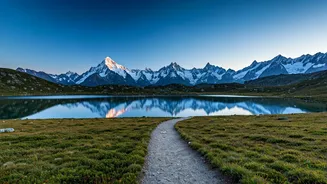
In India, this trend is playing out in a noticeable shift away from traditional, crowded hill stations. While destinations like Shimla and Manali still draw crowds, many travellers are now venturing to quieter alternatives. The serene landscapes of Ladakh offer breathtaking mountains and monasteries perfect for reflection. The backwaters of Kerala provide a tranquil experience surrounded by lush greenery, while Rishikesh serves as a spiritual hub ideal for meditation. Lesser-known Himalayan areas like Himachal Pradesh's Sainj and Tirthan Valleys are also gaining popularity for their quiet trails and homestays that encourage a slower pace of life. These destinations offer an escape from urban chaos and a chance for a soulful, silent break.
A Shift in Luxury and Values
This movement is even redefining luxury. For a growing segment of young affluent travellers, luxury is no longer about extravagance but about the freedom to disconnect. One recent report identified a group called 'Quiet Luxurists', who prioritise private, secluded escapes and limit their technology use while travelling. This aligns with a broader focus on wellness, with many young Indians now viewing travel as an investment in their long-term mental and physical health. This generation is spending a larger share of their income on travel than any before them, but they're investing it in experiences that offer meaning, restoration, and a genuine connection to the world around them.