







The Policy U-Turn
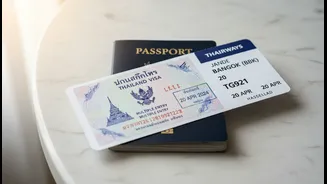
In a significant reversal, the Thai Cabinet has decided to maintain visa-free entry for Indian tourists. This decision walks back an earlier proposal from May 2026 that had caused considerable confusion and a drop in arrivals from India. That proposal intended
to shift Indians back to a visa-on-arrival system, but the negative market reaction prompted a swift rethink. Instead of scrapping the popular scheme, the government has cemented its importance. The only change is that the maximum visa-free stay, which was temporarily 60 days, will now be set at 30 days. This move is seen as a direct response to feedback from the tourism sector and a clear acknowledgement of India's importance.
A Strategic Economic Decision
This isn't just about convenience; it's a calculated economic strategy. Indian tourists are the third-largest group of visitors to Thailand, behind only China and Malaysia, making them a crucial pillar of the nation's tourism-dependent economy. The industry, which generated nearly $50 billion from 33 million foreign visitors in 2025, is a primary economic driver for the country. Even the brief period of uncertainty over the visa policy led to a reported decline of nearly 20% in Indian tourist numbers, demonstrating the market's sensitivity to entry rules. By restoring a clear and simple visa-free policy, the government aims to reignite momentum and protect this vital revenue stream.
What This Means For Travellers
For most Indian tourists, this is unequivocally good news. The new 30-day visa-free stay is more than sufficient for the vast majority of trips, as the average stay for an Indian visitor is just over seven days. The policy eliminates the need for visa applications, fees, and queues upon arrival, making travel to Thailand simpler and more affordable. This ease of access is expected to boost last-minute bookings and keep Thailand competitive against other Southeast Asian destinations. The change essentially upgrades India from the previous visa-on-arrival status to a more privileged visa-exempt category, alongside a select group of other nations.
Balancing Tourism with Security
The adjustment to a 30-day stay is part of a broader overhaul of Thailand's visa framework. The previous, more generous 60-day visa-free scheme, which applied to 93 countries, was revoked over concerns about its misuse for illegal activities and overstaying. The new, tiered system is designed to strike a balance between encouraging tourism and strengthening national security. Thai authorities have stated the goal is to create a more standardized and verifiable system that prevents visa privileges from being exploited. As part of this, screening processes like the Thailand Digital Arrival Card (TDAC) will be enhanced.
The Bigger Picture for Thai Tourism
This decision solidifies India's role as a priority market in Thailand's larger tourism ambitions. With economic growth slowing, the Thai government is leaning heavily on tourism to stimulate the economy, aiming for at least 35 million foreign arrivals this year. Officials are also embarking on a major strategic shift, moving focus from pure visitor numbers to attracting higher-value travellers and promoting year-round tourism. Ensuring seamless access for a key market like India is fundamental to this strategy. By providing clarity and stability, Thailand hopes to secure its position as one of Asia's premier travel destinations for Indian tourists, who are valued for their diverse travel interests, from budget holidays to luxury experiences.