





Why Go Natural on Your Balcony?
Choosing natural pest control methods is especially important in the compact environment of a balcony or patio. These spaces are often close to our living areas, where children and pets play. Organic solutions are gentler on the environment and safer
for your family. Unlike broad-spectrum chemical pesticides that can harm beneficial insects like bees, natural sprays are more targeted. They also reduce the risk of chemical runoff affecting your neighbours. Prevention is a key part of organic gardening; always inspect new plants for pests before adding them to your collection and ensure your containers are clean before planting.
The Power of Neem Oil
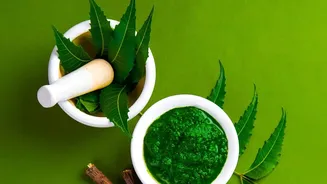
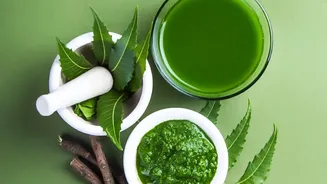
Derived from the seeds of the neem tree, native to India, neem oil has been used for centuries as a potent, natural pesticide and fungicide. Its primary active compound, azadirachtin, works in multiple ways. It acts as a repellent, an appetite suppressant, and a growth disruptor for many common garden pests. When insects ingest it, it interferes with their hormonal systems, preventing them from feeding and maturing. It is particularly effective against aphids, mealybugs, spider mites, whiteflies, and thrips.
How to Make and Use Neem Oil Spray
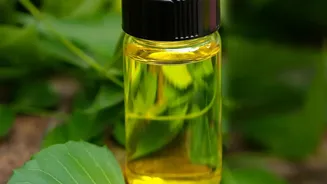
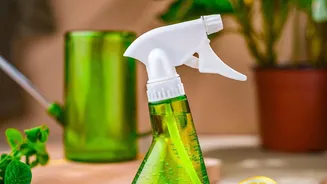
Creating your own neem oil spray is simple and more cost-effective than buying pre-mixed versions. For a basic spray, you will need 100% cold-pressed neem oil, a mild liquid soap, and warm water. The soap acts as an emulsifier, helping the oil mix with the water.Basic Recipe:- 1 Litre of warm water- 1 teaspoon (5 ml) of neem oil- ½ teaspoon (2.5 ml) of mild liquid soap (like castile soap)Combine the soap and warm water in a spray bottle and shake gently to dissolve. Then, add the neem oil and shake vigorously to create a milky emulsion. Because the oil and water will separate over time, you should plan to use the mixture immediately and shake it frequently during application.
The Simplicity of Soapy Water
An even simpler, yet highly effective, solution for controlling pests is a basic soapy water spray. This method works on contact, primarily against soft-bodied insects like aphids and mealybugs. The fatty acids in the soap work to break down the insect's outer protective layer, causing dehydration and suffocation. It’s crucial to use a true soap, not a synthetic detergent. Many common dish 'soaps' are actually detergents that can strip the natural protective wax off your plant's leaves, potentially causing them to burn or dry out. Look for pure castile soap or other biodegradable liquid soaps without degreasers or harsh chemicals.
Your Soapy Water Spray Recipe
Making an insecticidal soap spray takes just a minute. The key is to get the dilution right to be effective against pests without harming your plants. A 1 to 2 percent soap solution is generally recommended.Basic Recipe:- 1 Litre of water- 1 to 2 teaspoons of mild liquid soapPour the water into a clean spray bottle, add the soap, and gently mix to combine. Avoid shaking it too vigorously, as this can create excessive foam that makes spraying difficult. Like the neem oil spray, this solution is most effective when it directly contacts the pests.
Tips for Successful Application
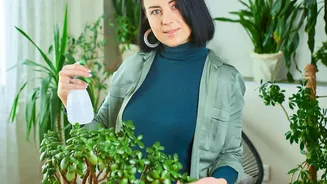
To get the best results and keep your plants safe, follow these application guidelines. First, always test the spray on a small, inconspicuous part of the plant and wait 24-48 hours to check for any signs of damage before treating the entire plant. The best time to spray is in the early morning or evening, as applying oils or soaps in direct, hot sun can cause leaf scorch. Ensure you thoroughly coat all parts of the plant, paying close attention to the undersides of leaves, where pests like to hide. Since these sprays only work on contact and don't leave a lasting residue, you may need to reapply every 7-10 days to control newly hatched pests.