




The Rain Shadow Secret
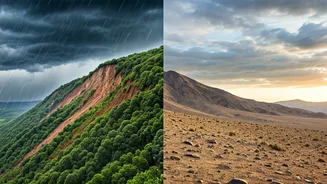
The magic of Spiti during the monsoon is a simple geographic marvel. The valley lies in a rain shadow, meaning the towering Himalayan ranges block most of the rain-heavy clouds from ever reaching it. While popular hill stations like Shimla and Manali
experience heavy downpours, Spiti remains overwhelmingly dry and sunny, receiving very little rainfall even in July and August. This makes it a rare and reliable destination for adventure when the rest of the mountains are facing landslides and relentless rain. The destination itself is dry and safe; the real challenge lies in the journey to get there.
A Landscape of Stark Beauty
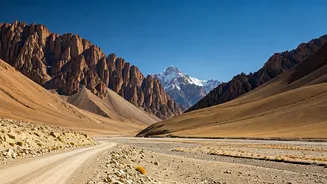
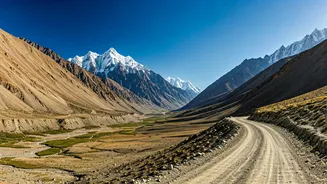
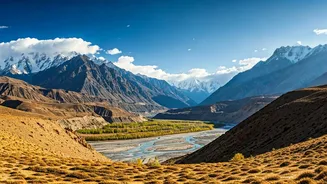
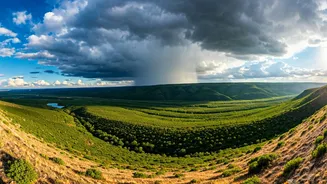
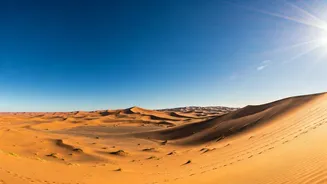
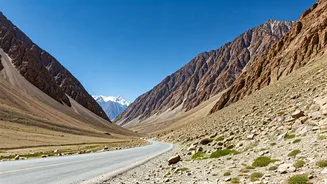
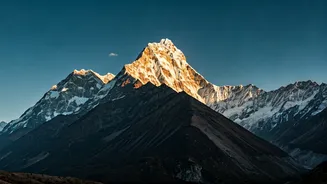
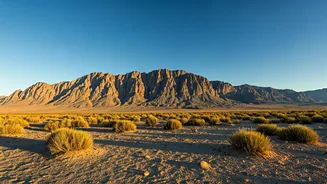
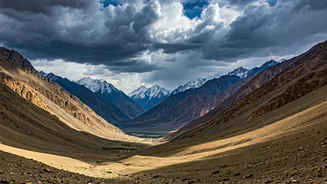
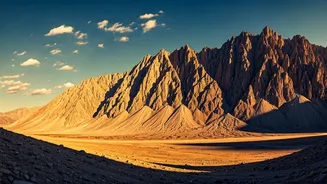
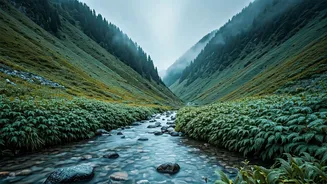
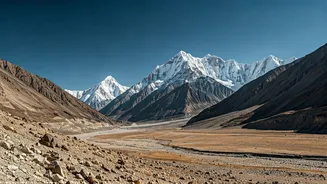
Forget the misty, rain-soaked vistas typical of the Indian monsoon. Spiti in these months offers a stunning contrast. Think crisp blue skies, powerful sunshine, and a raw, barren moonscape of browns, greys, and dramatic shadows. But it's not all barren. The light monsoon showers that do reach the valley are just enough to bring patches of vibrant green to life, especially in irrigated areas around villages and riverbanks. This creates a spectacular visual, with lush fields set against the rugged, cold desert mountains—a sight few travellers get to witness. For photographers, the moody clouds and clear light provide an unparalleled creative opportunity.
The Monsoon Adventure Itinerary
Fewer tourists mean a more intimate and peaceful experience at Spiti's iconic landmarks. This is the ideal time to explore ancient Buddhist monasteries like Key, Tabo, and Dhankar without the usual crowds. You can visit the high-altitude villages of Langza, Hikkim (home to the world's highest post office), and Komic. For adventurers, trekking routes to pristine high-altitude lakes like Chandratal and Dhankar Lake are accessible, surrounded by blooming wildflowers. Culturally, you might even catch the La Darcha Fair in July, a vibrant celebration of trade between Himalayan regions. Staying in local homestays offers a soulful immersion into Spitian life, sharing stories and authentic food with host families.
Getting There: The Route Matters
There are two roads into Spiti, and your choice is critical during the monsoon. The route from Manali via the Atal Tunnel and Kunzum Pass is shorter and more dramatic but also riskier. It involves rough patches and water crossings that can swell dangerously after rain. The more reliable and recommended option for the monsoon season is the route from Shimla via the Kinnaur Valley. It’s a longer journey, typically taking two days, but it is generally more stable and allows for gradual acclimatization to the high altitude. While this route is not entirely immune to landslides, especially on cliff sections in Kinnaur, it remains the safer bet for entering the valley in July and August. The wisest plan is to enter via Shimla and, if conditions permit, exit via Manali.
Travel Smart: Monsoon Pro-Tips
A monsoon trip to Spiti is an adventure, and it demands respect for the mountains. The biggest challenge isn't the weather in Spiti but the unpredictable roads leading to it. Landslides can cause delays, so the most important tip is to build buffer days into your itinerary. Don't plan a tight schedule. Pack in layers: thermals, a fleece, and a windproof/waterproof outer shell will cover you for sunny days and cold nights. While heavy rain is unlikely in the valley, a light rain jacket is essential for the journey. Acclimatization is key; take it easy on your first day in Kaza or Tabo to prevent altitude sickness. Finally, consider hiring a local driver with a high-clearance vehicle. Their experience in reading the terrain and weather is invaluable.