
The scent of wet earth lingers as the jungle breathes a sigh of relief. After a months-long monsoon slumber, India's iconic national parks are reopening their gates, welcoming visitors to a world reborn and teeming with life.
The Great Green Reawakening
Every year, from roughly June
to September, most of India's premier wildlife sanctuaries close their core zones to the public. This essential pause serves multiple purposes. The heavy rains make dirt tracks impassable and dangerous for safari vehicles. More importantly, the monsoon is a crucial breeding season for many species, and the closure minimises human disturbance, allowing animals to raise their young in peace. It's also a time for the forest to heal and regenerate, and for park authorities to conduct vital maintenance on trails and infrastructure. When the gates reopen in October, visitors are treated to a spectacle: a landscape washed clean, with overflowing waterholes and vibrant, lush grasslands. The forest feels electric, revived, and ready for a new season of discovery.
Ranthambore, Rajasthan: A Royal Welcome
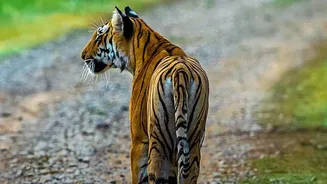
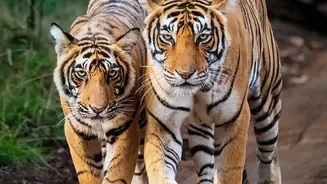
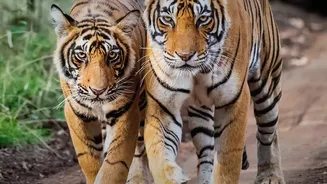
Famous for its magnificent tigers set against the backdrop of a 10th-century fort, Ranthambore National Park is a top destination for wildlife photographers. The park's main tourism zones typically reopen from October 1st. In the post-monsoon period, the park's lakes are full, attracting a variety of wildlife. This makes for incredible sighting opportunities not just for tigers, but also for leopards, sloth bears, and a rich diversity of birdlife. The combination of history and wild nature is particularly dramatic after the rains, with the ancient ruins draped in fresh greenery. While some buffer zones remain open during the monsoon, the reopening of core areas like zones 1-5 marks the true start of the safari season.
Kaziranga, Assam: Land of Giants
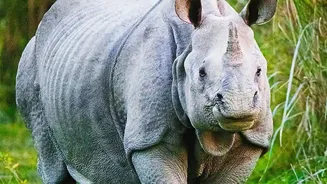
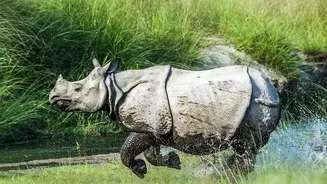
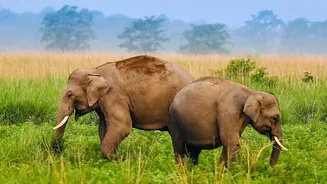
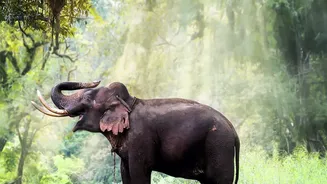
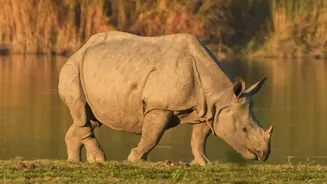
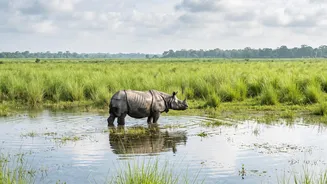
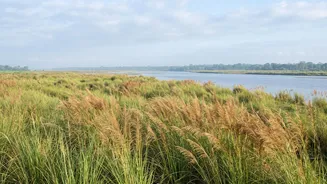
A UNESCO World Heritage Site, Kaziranga National Park officially reopened for the 2026-27 season on October 3rd. Home to two-thirds of the world's great one-horned rhinoceroses, the park is a stunning expanse of tall elephant grass, marshland, and dense forests fed by the Brahmaputra River. The post-monsoon landscape is intensely green, though the tall grass can sometimes make sightings more challenging. Visitors in October can explore several ranges via jeep safari, with elephant safaris expected to resume later in the month. Besides rhinos, the park is a crucial habitat for elephants, tigers, wild water buffalo, and swamp deer.
Corbett, Uttarakhand: The Himalayan Foothills
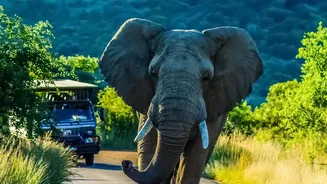
As India's oldest national park, Jim Corbett holds a special place in the country's conservation history. While some of its zones remain open year-round, popular core areas like Bijrani and Dhikala typically reopen around mid-October and mid-November, respectively. Nestled in the Himalayan foothills, the park's varied terrain supports a wide array of wildlife. October safaris offer the chance to see Royal Bengal tigers, large herds of elephants, and hundreds of bird species against a backdrop of refreshed, verdant forests. The pleasant weather, with cool mornings and warm days, makes for a comfortable safari experience.
Madhya Pradesh: The Tiger Heartland
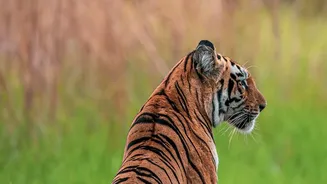
The national parks of Central India, including Kanha, Bandhavgarh, and Pench, are renowned for having some of the highest tiger densities in the country. These parks, which inspired Rudyard Kipling's "The Jungle Book," reopen their core areas from early to mid-October. Kanha, reopening from October 1st, is known for its majestic sal forests and is the last remaining habitat of the rare hardground barasingha. Bandhavgarh and Pench, reopening around October 15th, offer classic tiger-sighting country with their mix of meadows and woodlands. A trip here often rewards patient visitors with unforgettable encounters with the apex predator.
Planning Your Post-Monsoon Safari
October is an increasingly popular month for safaris, so booking permits and accommodation well in advance is crucial. The weather is generally pleasant, but packing layers is advisable; early morning drives in an open jeep can be chilly before the sun warms the day. While the lush greenery is beautiful, it can also make spotting animals more of a challenge compared to the dry summer months, so set your expectations accordingly. The reward is witnessing the jungle at its most vibrant and alive, a unique experience that many seasoned travellers prefer. Always check the official websites for the most current opening dates and safari timings, as these can sometimes shift based on local conditions.