








Claim: AI Can Replace a Dermatologist
The most significant claim made by some apps is that they can provide a diagnosis for skin conditions, from acne to skin cancer, simply from a photo. The convenience is undeniable: instant feedback without the wait or cost of a specialist appointment.
The idea is that a powerful algorithm, trained on millions of images, can spot patterns the human eye might miss. Some even offer connections to doctors for a fee after the initial AI scan. For many users, this seems like a revolutionary step in accessible healthcare.
Reality: They Are Not a Substitute for Medical Diagnosis
Dermatologists are clear: these apps are not a replacement for a professional medical visit. While some AI models show high accuracy in lab settings, real-world performance is a different story. Factors like lighting, camera quality, and shadows can drastically alter results. A study in JAMA Dermatology highlighted that many direct-to-consumer apps lack FDA approval and their performance is inconsistent, potentially leading to harm. An app might incorrectly dismiss a serious issue like melanoma as low-risk, giving a false sense of security and delaying critical treatment. Conversely, it could cause unnecessary anxiety by flagging a harmless mole as dangerous. A human dermatologist considers your full medical history, can perform a physical examination, and uses their extensive training to interpret what they see—nuances an app simply cannot replicate.
Claim: You Get a Perfectly Personalised Skincare Routine
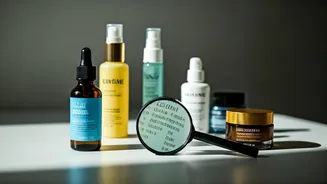
Many popular apps focus on cosmetic concerns, analysing your selfie for issues like dark spots, hydration levels, pore size, and wrinkles. After the scan, they generate a customised skincare routine, often complete with product recommendations tailored to your results. For anyone overwhelmed by the endless options in the beauty aisle, this sounds like a perfect solution. The app does the work, analysing your unique skin and telling you exactly what you need to achieve your goals, turning a confusing process into a simple, data-driven action plan.
Reality: Recommendations Can Be Biased and Overly Simplistic
While these AI-generated routines can be a helpful starting point, they have limitations. Many apps are designed as funnels to sell a specific brand's products, meaning the recommendations may not be truly objective. The analysis, while seemingly scientific, can be superficial. It may not account for complex factors like hormonal influences, allergies, or lifestyle habits that significantly impact skin health. Furthermore, a significant issue in the AI field is dataset bias; many algorithms have been trained primarily on images of lighter skin tones, which can lead to lower accuracy for users with darker skin. So, while the routine is 'personalised' to your photo, it might not be truly personalised to you as an individual.
Claim: These Tools Are a Wild West of Unregulated Tech
With the rapid boom of these apps, it’s easy to assume they exist in a lawless digital space. Concerns about data privacy and medical accuracy are common. After all, you are uploading sensitive health-related images and personal information. The fear is that there are no rules governing how this data is used or what standards of accuracy the apps must meet, leaving consumers vulnerable.
Reality: Regulation Is Complex and Evolving
The regulatory landscape is complicated but not non-existent. An app's legal status depends on its claims. If an app is purely for 'cosmetic' or 'wellness' purposes (like tracking wrinkles), it faces less scrutiny. However, if it claims to diagnose a medical condition (like skin cancer), it may be classified as a medical device and require approval from bodies like the US FDA. To date, studies have found that no direct-to-consumer apps claiming diagnostic capabilities have received FDA approval. In India, there is growing scrutiny over aesthetic treatments and digital health tools, with a focus on data protection under acts like the DPDP Act and consumer protection from misleading claims.