

Why Damp Coats Are a Post-Monsoon Problem
The high humidity of the Indian monsoon means a dog's coat can remain damp for hours after a walk, even if it doesn't seem soaked. This trapped moisture, combined with the warmth of your dog's body, creates an ideal microenvironment for naturally occurring
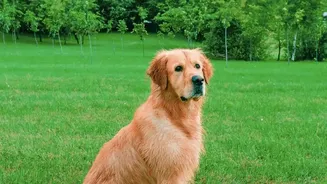
fungi and bacteria to multiply out of control. Breeds with thick undercoats (like German Shepherds or Golden Retrievers) and those with skin folds (like Pugs and Bulldogs) are especially vulnerable. This overgrowth leads to common but irritating conditions like yeast dermatitis (caused by Malassezia fungus) and ringworm, causing significant discomfort.
Prevention Is Your Strongest Defence
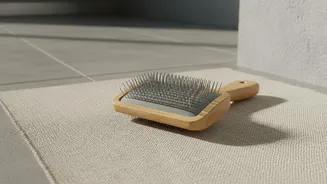
The most effective strategy is to be proactive. Keeping your dog as dry as possible is non-negotiable. Thoroughly towel-dry your dog after every single walk, paying special attention to their paws, belly, armpits, and ears. For dogs with dense fur, a hairdryer on a low, cool setting is essential to ensure the undercoat is completely dry. Regular grooming is also key; brushing removes loose fur and debris, improving air circulation to the skin. Consider keeping their coat trimmed shorter during the rainy season to speed up drying time. Lastly, ensure their bedding and living area are kept clean and dry to prevent fungal growth in their environment.
Spotting the Early Warning Signs
Vigilance helps you catch problems before they escalate. One of the first signs of a fungal infection is a change in your dog's behaviour. Look for persistent scratching, licking, or chewing at a specific area. Visually inspect their skin for redness, rashes, or small bumps. You might notice patches of hair loss, flaky or crusty skin, or a greasy feel to the coat. Another tell-tale sign is a distinct, musty or cheesy odour coming from the skin or ears, which often indicates a yeast infection. Any of these symptoms warrant a closer look and prompt action.
Caring for Your Dog's Paws
Paws are on the front line, constantly exposed to wet, muddy ground. This makes the delicate skin between their paw pads a hotspot for fungal infections. After every walk, wash your dog's paws with lukewarm water and a gentle cleanser. The crucial step is to dry them completely, getting a towel in between each toe. Trimming the hair between the pads can also help, as it reduces the amount of moisture and mud that gets trapped. Regularly inspect their paws for any redness, swelling, or signs of irritation.
When to See the Veterinarian
While preventative care is powerful, some infections require professional medical treatment. If you notice persistent symptoms, or if the affected area is spreading, it's time to consult your vet. Do not rely on self-diagnosis or human medications. A vet can accurately diagnose the specific type of fungus through tests like skin scrapings. Treatment often involves medicated shampoos, topical antifungal creams, or oral medications. For dogs prone to recurring infections, your vet might also suggest specific dietary supplements like omega fatty acids to boost skin health or recommend allergy testing to rule out underlying triggers.