



Embrace the Balcony Farm
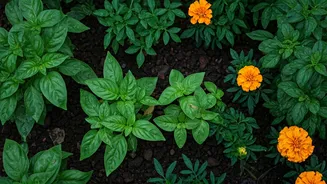
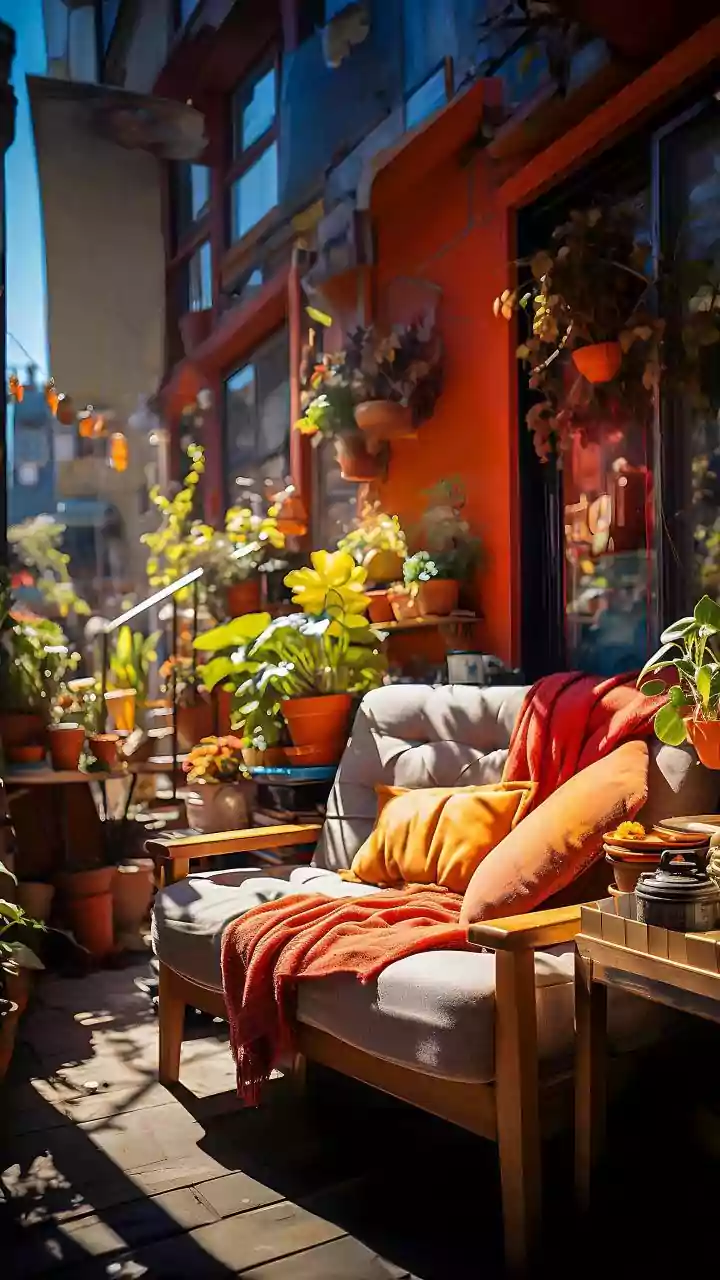
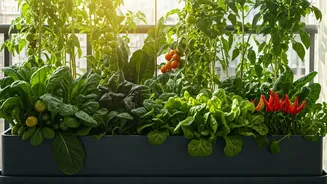
First, forget the idea that you need a sprawling backyard. Most urban gardening happens in containers on balconies, terraces, or even sunny windowsills. The key is to start small. A few pots are much more manageable than a dozen, especially for a beginner.
This allows you to learn the ropes—understanding your space's sunlight, mastering watering, and getting a feel for the plant life cycle—without feeling overwhelmed. Success with three or four pots will give you the confidence to expand next season. Choose a spot that gets at least 4-5 hours of sunlight, even on cloudy monsoon days. This is crucial for flowering and fruiting vegetables.
The Right Soil and Pots
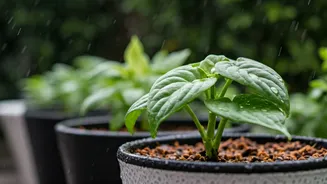
The single most important factor for monsoon gardening is drainage. Constant rain can lead to waterlogged soil, which causes root rot and kills plants. Your choice of pot and soil is your best defence. Opt for terracotta (clay) pots or grow bags as they are porous and allow excess water to evaporate. Ensure every container has at least one drainage hole at the bottom. For your soil mix, avoid using heavy garden soil alone. A light, well-draining potting mix is essential. A classic beginner's recipe is equal parts red soil (or any garden soil), cocopeat (to retain moisture without becoming soggy), and compost (like vermicompost) for nutrients. This trio creates the perfect environment for roots to breathe and thrive, even during a downpour.
Choosing Your Monsoon Champions
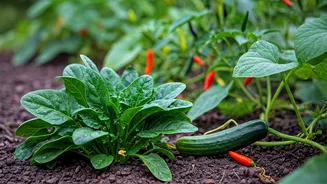
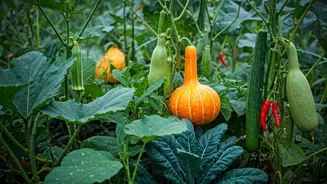
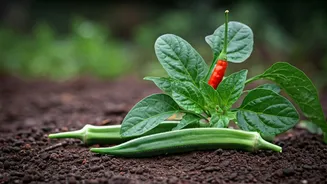
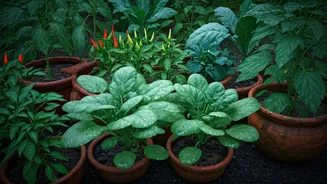
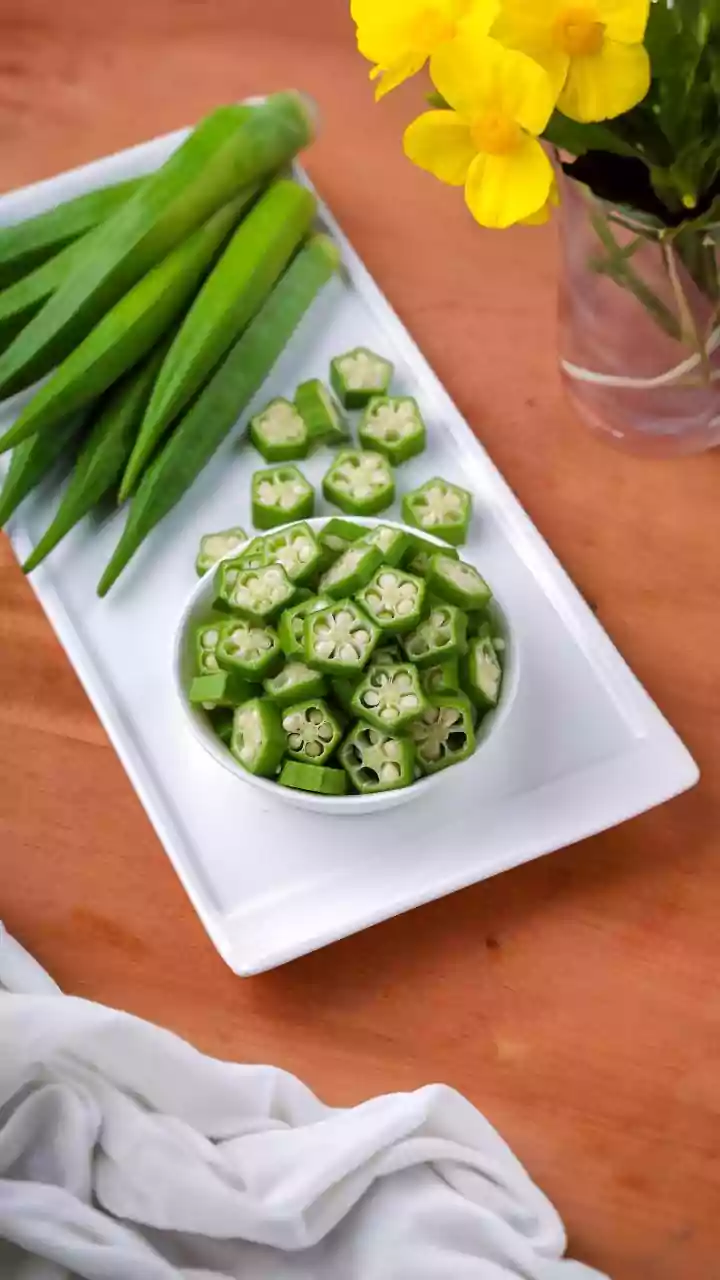
Not all vegetables love the high humidity and intense rain of the monsoon. Stick to hardy, fast-growing varieties that are well-suited to the Indian monsoon climate. Excellent choices for beginners include: - **Okra (Bhindi):** A true monsoon hero. It grows quickly and produces prolifically. - **Chillies and Brinjal:** These plants love the warm, humid weather. Start with saplings from a local nursery to get a head start. - **Gourds:** Varieties like bottle gourd (lauki), ridge gourd (turai), and bitter gourd (karela) are vigorous climbers. You’ll need to provide a trellis or support for them to climb on. - **Leafy Greens:** Amaranth (chaulai) and Malabar spinach (poi saag) are much more resilient in the rain than regular spinach. They grow fast and you can harvest leaves continuously. Avoid plants that are prone to fungal diseases in high humidity, like tomatoes and cucumbers, unless you are ready for a challenge.
Sowing Seeds and Saplings
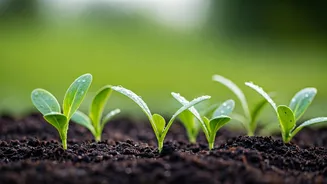
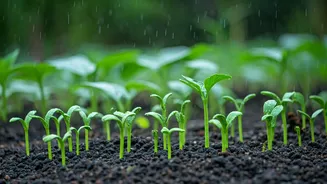
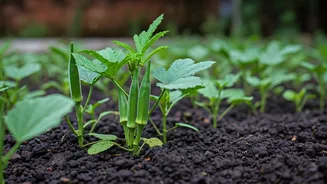
Once you have your pots, soil, and seeds, it's time for the magic to happen. Read the seed packet for instructions on sowing depth—a general rule is to plant a seed twice as deep as it is wide. Don't sow too many seeds in one pot; overcrowding leads to weak plants competing for resources. If you're using saplings from a nursery, gently remove the plant from its plastic bag, being careful not to disturb the root ball too much. Place it in the centre of your new pot and fill the sides with your potting mix, pressing down gently. Water it lightly after planting to help it settle in.
Watering and Pest Management
It might seem odd to talk about watering during the monsoon, but it's crucial. On days with heavy rain, your plants won't need any extra water. But on dry, sunny days in between showers, the soil in small pots can dry out quickly. The best method is the 'finger test': stick your finger an inch into the soil. If it feels dry, it's time to water. If it's damp, wait. The monsoon also brings pests. Keep an eye out for aphids and mealybugs. A simple, organic solution is a neem oil spray. Mix a few drops of neem oil with a drop of liquid soap in a litre of water and spray on your plants every 10-15 days as a preventative measure. This will deter most common pests without harming your harvest.