


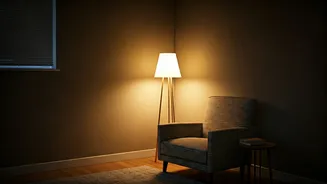


Defining the 'Damp Cave'
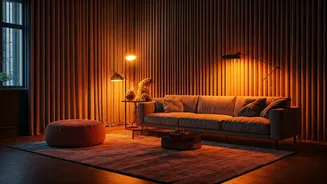
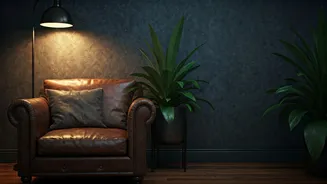
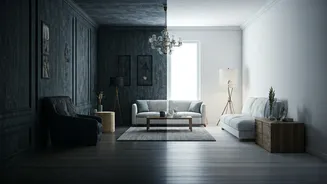
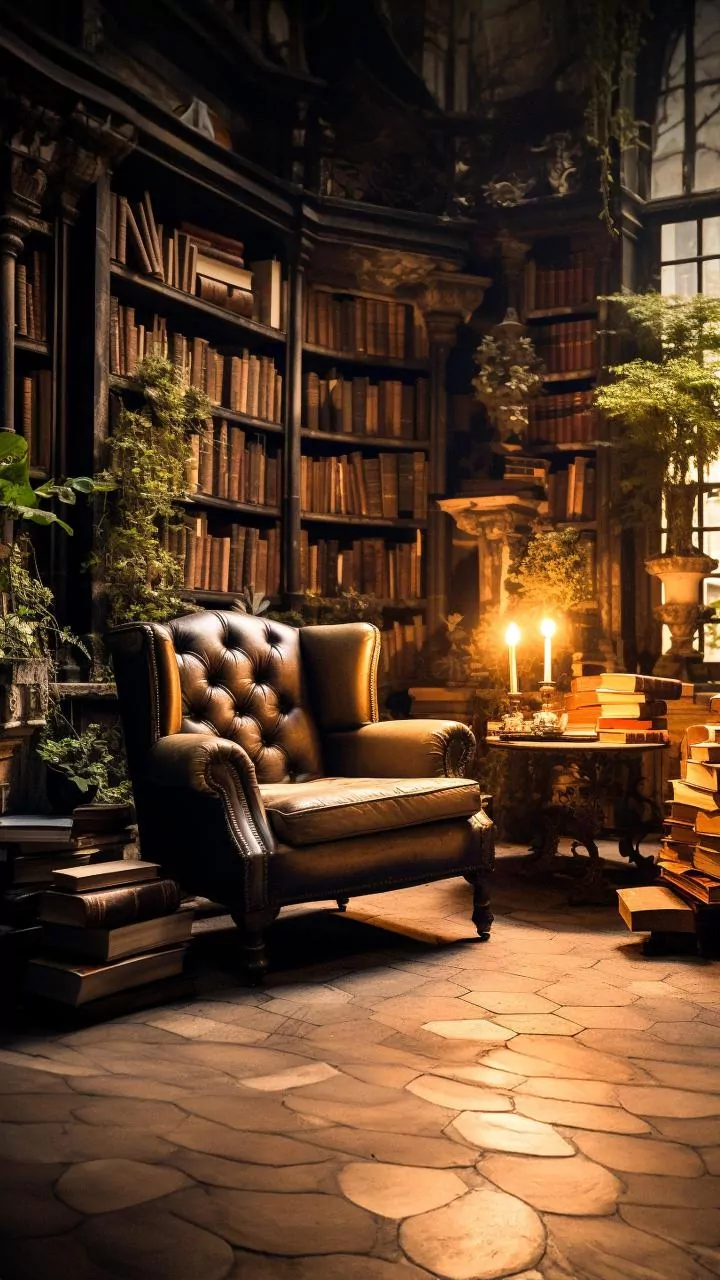
You’ve seen it on social media: walls painted in shades of charcoal, deep navy, or forest green, often paired with heavy textures and minimal lighting. This trend, which we'll call 'Damp-Cave Decor', leans into the 'moody' aesthetic that has gained popularity
as a reaction against years of all-white minimalism. It promises a cozy, dramatic, and sophisticated atmosphere—a personal sanctuary that feels both bold and intimate. The appeal is understandable; it’s a style full of personality, drawing inspiration from aesthetics like 'Dark Academia' or 'Western Gothic'. When done right, it can make a room feel warm, deep, and enveloping. But the execution is critical, and many well-intentioned efforts miss the mark.
When Moody Becomes Murky
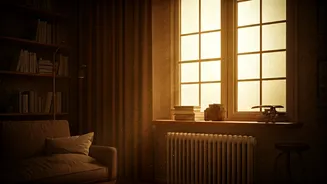
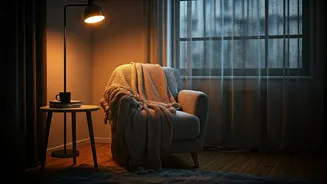
The problem arises when the commitment to darkness is too absolute. Without enough natural light or a strategic lighting plan, a dark room can feel small, claustrophobic, and genuinely depressing. This is especially true in rooms that are already small or lack large windows. Instead of 'cozy', the space becomes oppressive. The 'damp cave' effect happens when dark colors absorb all the light, creating a flat, lifeless environment. A room without contrast or reflection can feel visually heavy and somber. Dark paint and matte finishes can also be surprisingly high-maintenance, showing every scuff, fingerprint, and speck of dust.
Let There Be Layered Light
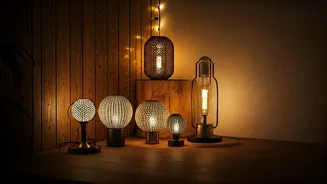
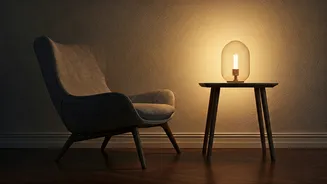
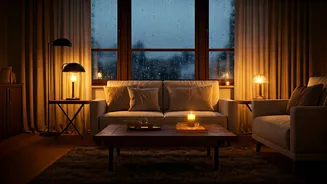
The single most important element to reset a gloomy room is lighting. A single, harsh overhead fixture will only create more shadows and accentuate the cave-like feeling. The key is to layer your lighting with multiple sources. Start with ambient light, which provides overall illumination—think track lighting or a stylish ceiling fixture. Next, add task lighting for specific activities, like a floor lamp by a reading chair or under-cabinet lights in the kitchen. Finally, use accent lighting, such as wall sconces or a small lamp on a bookshelf, to create warm, glowing pools of light that add depth and intimacy. Opt for warm-toned bulbs to enhance the cozy feeling rather than cool-toned ones that can feel sterile and harsh.
The Power of Contrast
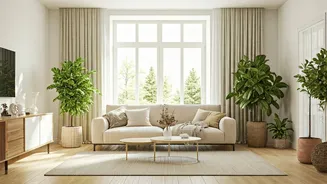
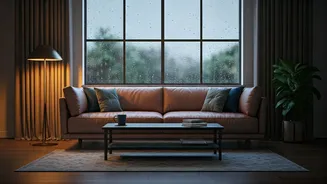
A dark room needs contrast to feel alive. This doesn't mean you have to abandon your dark walls. Instead, create balance by introducing lighter elements. A light-colored rug can dramatically brighten a room from the ground up, while a sofa in a lighter neutral fabric can serve as a striking centerpiece against a dark wall. Even small touches matter. Add throw pillows and blankets in cream, pastel, or even a bold, bright color to break up the monotony. Incorporating different textures, like plush velvet, smooth leather, and rough-hewn wood, also adds visual interest and keeps the space from feeling flat.
Reflect and Refresh
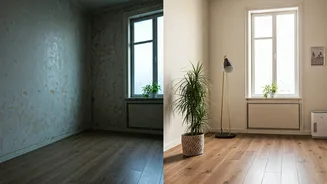
To truly banish the damp-cave vibe, you need to bounce light around the room. Mirrors are your best friend here; a large mirror placed opposite a window can double the amount of natural light in a space and create the illusion of depth. Don't stop there. Metallic accents on furniture, picture frames, or decorative objects will catch and reflect light, adding a touch of sparkle and sophistication. Even the finish of your paint can make a difference. Consider a satin or high-gloss finish for a ceiling or an accent piece to add a reflective sheen. Finally, bring in some life with houseplants. The vibrant green of a few well-placed plants can provide a much-needed pop of color and vitality, ensuring your home feels like a sanctuary, not a subterranean hideout.