




The festive season brings a whirlwind of joy, from late-night card parties to endless family gatherings. But this social marathon often leaves our energy levels depleted. What if the secret to enjoying it all wasn't another cup of coffee?
The Science of Festive Fatigue
The feeling of
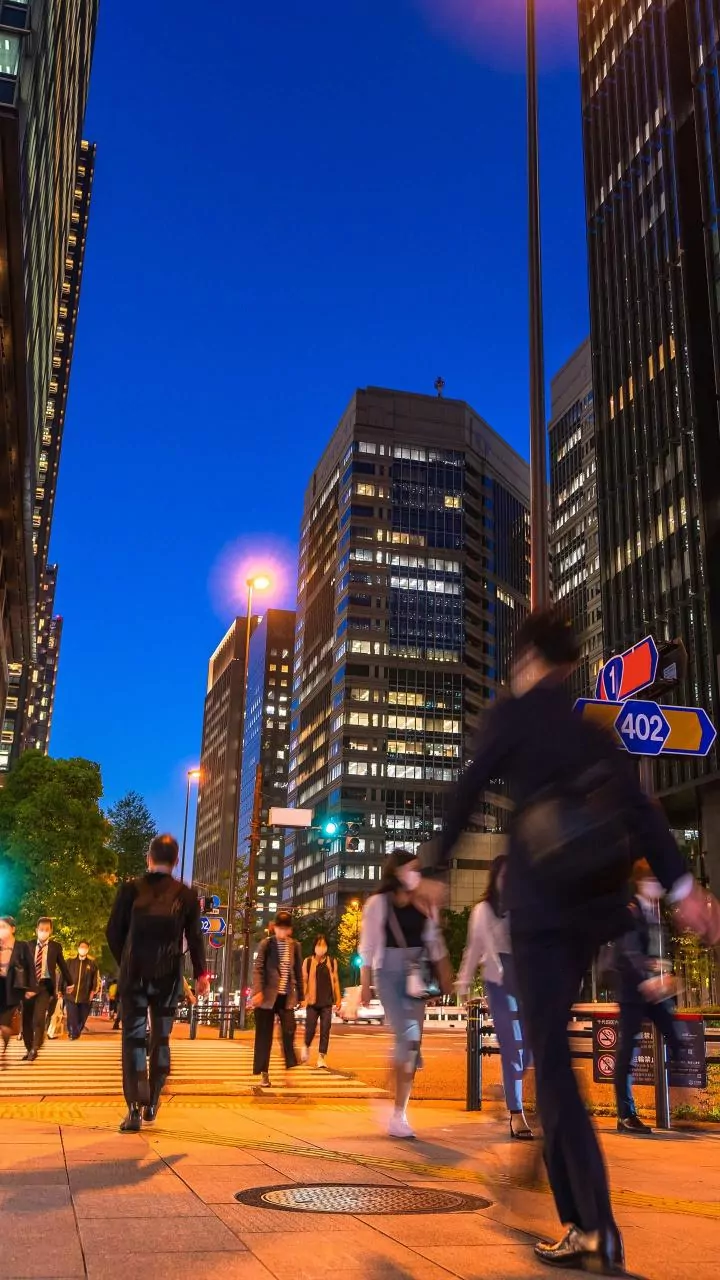
being drained during festival season isn't just in your head. It’s a biological response to a major shift in routine. Late nights, indulgent meals, and increased alcohol consumption all disrupt our circadian rhythm, the body's internal 24-hour clock. This 'social jetlag' leaves us feeling groggy, irritable, and less able to function optimally. When you eat heavy or sugary foods close to bedtime, your body has to work overtime to digest them, which can lead to restless sleep. Similarly, while a drink might make you feel drowsy initially, alcohol is notorious for disrupting the crucial REM sleep stage later in the night, preventing the restorative rest your brain and body need to recharge. This combination of factors creates a perfect storm for fatigue, making it harder to be present and enjoy the very moments we look forward to.
Sleep as Your Social Superpower
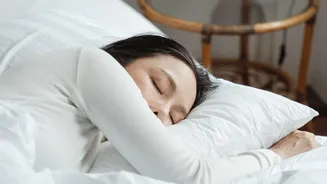
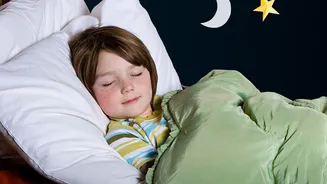
Viewing sleep as a priority rather than a luxury can transform your festive experience. When you are well-rested, you're not just less tired; you're fundamentally better equipped for social interaction. Quality sleep helps regulate mood and makes you more resilient to stress. Studies show that sleep deprivation can make us less empathetic and more irritable, straining our relationships just when we want to connect. A rested brain has the energy to process emotions properly, leading to more patience with relatives and a greater capacity for joy. It improves cognitive function, memory, and concentration, so you can follow conversations, engage more deeply, and create lasting, happy memories instead of just 'getting through' the event. In essence, good sleep recharges your social battery, allowing you to bring your best self to every celebration.
Smart Strategies for Late Nights
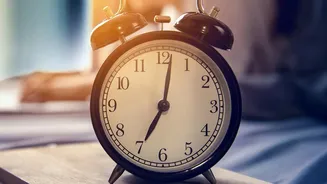
Being a social butterfly doesn't have to mean sacrificing your sleep entirely. The key is to be strategic. Try to maintain a consistent wake-up time, even on weekends or after a late night. This helps anchor your circadian rhythm and makes it easier to get back on track. When it comes to parties, set a 'last drink' time at least a few hours before you plan to head home to give your body time to process the alcohol. Stay hydrated with water between alcoholic beverages. Avoid eating large, heavy meals within two to three hours of bedtime. If you're hungry after a late night out, opt for a light, protein-based snack instead of sugary or high-fat treats which can disrupt sleep patterns.
Crafting a Restful Retreat
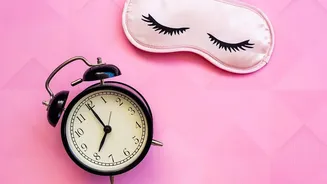
Your bedroom should be a sanctuary for sleep, even when the rest of the house is buzzing with activity. Make your sleep environment as dark, quiet, and cool as possible. Use blackout curtains or an eye mask to block out festive lights. Earplugs can be a saviour if you have a full house with varying schedules. A crucial step is to enforce a screenfree winddown period of at least 30–60 minutes before bed. The blue light from phones and tablets suppresses melatonin, the hormone that signals your brain it's time to sleep. Instead, try reading a book, listening to calm music, or practicing light stretching to tell your body it's time to switch off from the day's excitement.
The Power of the Strategic Nap
While you can't truly 'catch up' on chronic lost sleep, a short, strategic nap can be a powerful tool for recharging your energy levels during the day. If you feel your energy slumping, a 20–minute power nap can be enough to boost alertness and improve your mood without interfering with your night–time rest. The key is to keep it short and time it right. Aim to nap before 3 p.m. to avoid making it harder to fall asleep in the evening. Think of it not as a sign of weakness, but as a clever tactic to ensure you have the stamina for the evening's festivities.