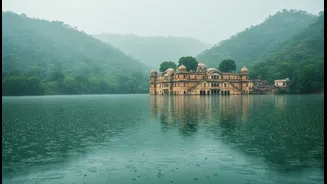





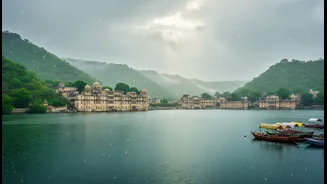

A City Reimagined by Rain
Most travellers picture Udaipur in the clear, crisp light of winter. But those who visit between July and September are let in on a secret: the city doesn't just look different in the monsoon; it feels different. The scorching summer heat, often topping
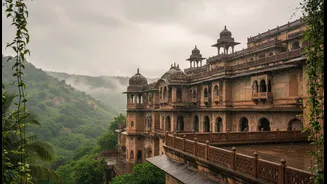
40 degrees, gives way to pleasant temperatures around 25 to 30 degrees. The usually muted Aravalli Hills surrounding the city undergo a dramatic transformation, cloaking themselves in a vibrant, deep green that lasts for the entire season. This isn't a season of disruptive, non-stop downpours. Udaipur typically receives moderate rainfall, often in short afternoon bursts that leave the evenings cool and fresh, perfect for exploring a city that seems to slow down and breathe. The usual tourist crowds thin out, granting a rare sense of quiet intimacy with its historic streets and iconic landmarks.
The Lakes in Full Splendour
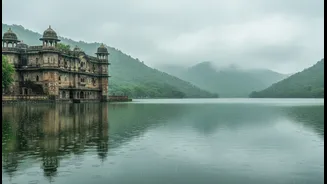
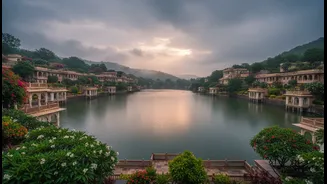
Udaipur is famously called the 'City of Lakes', and the monsoon is when it truly lives up to its name. Summer can leave the lakes looking tired and shallow, but the rains replenish them completely. Lake Pichola, the city's heart, brims to its edges, its surface reflecting the dramatic monsoon sky. A boat ride during this season becomes a poetic experience, gliding past a water-lapped City Palace, Jag Mandir, and the seemingly floating Taj Lake Palace. The ripples from gentle raindrops on the water's surface create a mesmerising effect. Fateh Sagar Lake, another gem, becomes a local favourite for evening strolls along its promenade, where you can watch clouds drift over the water while sipping hot tea from a roadside stall. The lush island garden of Nehru Park in its centre becomes an even more enchanting destination, accessible by boat.
Palaces Wrapped in Mist
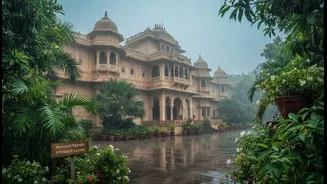
The city's majestic palaces take on a new, atmospheric character during the monsoon. The City Palace complex, with its intricate courtyards and balconies, offers stunning views of the full Lake Pichola, its marble facade appearing ethereal against the grey clouds. But the season's undisputed star is the Sajjangarh Palace, aptly nicknamed the Monsoon Palace. Perched high on a hill, it was originally built by Maharana Sajjan Singh to watch the monsoon clouds roll in. A trip up its winding road reveals panoramic views of the entire rain-washed city, its lakes, and the surrounding green hills, often shrouded in mist. Visiting at sunset, when the clouds create a dramatic, colourful backdrop, is an unforgettable experience.
Monsoon Comforts and Cuisine
The magic of monsoon in Udaipur extends to its culinary scene. The cooler, wet weather is the perfect excuse to indulge in local comfort foods. The streets and lakeside cafes come alive with the aroma of hot masala chai, best enjoyed while watching the rain. It’s the ideal time to savour freshly fried snacks like pakoras, bhajis, and kachoris. For a more substantial meal, you can explore traditional Rajasthani dishes like Dal Baati Churma and Gatte Ki Sabzi in the cozy ambience of local restaurants. Many hotels and eateries offer rooftop dining experiences, where you can enjoy a meal with a panoramic view of the rain-misted city.
Practical Tips for Your Trip
Travelling to Udaipur during the monsoon is not only beautiful but also practical, with fewer crowds and often lower prices for hotels. However, a few tips can make your trip smoother. Pack a lightweight raincoat or an umbrella for the sudden showers. Waterproof footwear is essential for walking through the old city's charming but sometimes wet lanes. It's also wise to pack quick-drying clothes. While the rain is generally not continuous enough to disrupt major plans, keeping your schedule a little flexible allows you to adapt—ducking into a museum or a haveli like Bagore Ki Haveli for its cultural show when it rains, and stepping out to explore when the skies clear.