








Immunity-Boosting Spices
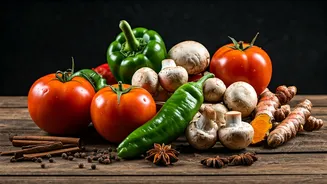
Your kitchen’s spice box is a treasure trove of immunity-boosting wonders, perfect for the damp monsoon weather. Stock up on fresh ginger (adrak) and turmeric (haldi). Ginger is fantastic for soothing sore throats and improving digestion, while turmeric is a powerful
anti-inflammatory and antioxidant. Add them generously to your teas, dals, and sabzis. Don't forget garlic (lehsun), black pepper (kali mirch), and cloves (laung). Garlic has potent anti-viral properties, while black pepper helps your body absorb the goodness of turmeric more effectively. A simple kadha made from these spices can become your go-to morning ritual to keep infections at bay.
Light and Digestible Vegetables
During monsoon, the digestive system can become sluggish. It's wise to favour vegetables that are light and easy to digest. Gourds are your best friends this season. Think bottle gourd (lauki), ridge gourd (tori), snake gourd (chichinda), and pointed gourd (parwal). These vegetables are high in water content and fibre, aiding digestion and keeping you hydrated. While leafy greens are normally healthy, during the monsoon they can carry more dirt and germs. If you do buy them, be extra cautious. Wash them thoroughly in salt water or a vinegar solution and cook them completely rather than eating them raw.
Power-Packed Seasonal Fruits
Nature provides the perfect antidote to seasonal ailments. Monsoon fruits are packed with Vitamin C and antioxidants that strengthen your immune system. Look for jamun, with its beautiful deep purple colour, which is excellent for health and known to have anti-diabetic properties. Plums (aloo bukhara) and peaches (aadu) are also in season and loaded with vitamins. Pomegranates (anaar) are another fantastic choice, known for boosting haemoglobin and overall vitality. Cherries and lychees are also great additions. Try to eat them fresh and avoid pre-cut fruits from vendors to minimise the risk of contamination.
Wholesome Grains and Pulses
Swap heavy, hard-to-digest grains for lighter alternatives. Moong dal is a staple for a reason; it's one of the most easily digestible proteins, perfect for a monsoon diet. Incorporate it into soups, khichdi, or simple dals. Other good choices include masoor dal and horse gram (kulthi). When it comes to grains, barley (jau) is an excellent choice as it's cooling and helps combat water retention. Oats and old-fashioned corn (bhutta), roasted over charcoal, are not just nostalgic monsoon snacks but also healthy, high-fibre options that keep you full and aid digestion.
Pantry Staples for Rainy Days
Some days, the rain will be too heavy to step out. A well-stocked pantry is essential. Ensure you have a variety of herbal teas—peppermint, chamomile, and green tea are excellent choices for a warm, soothing drink. Stock up on besan (gram flour) for those inevitable pakora cravings, but try baking or air-frying them for a healthier twist. Healthy soup ingredients are also a must. Keep vegetable or chicken broth, lentils, and quick-cooking grains on hand for a nourishing meal you can whip up in minutes. A jar of good quality honey can serve as a natural sweetener and a remedy for coughs.
What to Limit or Avoid
Knowing what not to eat is just as important. Be cautious with street food, especially items like chaat and juices, as the water used may not be safe and can lead to stomach infections. It’s also a good idea to limit raw foods, like salads, as they can harbour bacteria in the humid weather. Many also advise reducing intake of fish and other seafood during this time, as it's the breeding season for many species, and the risk of water contamination is higher. Finally, try to cut back on heavy, fried foods and dairy products that can be difficult to digest and may lead to bloating or indigestion.