







The Foundation: Noticing Your Natural Breath
Noticing your natural breath is a practice of passive observation. The goal is not to change your breathing in any way, but to simply become aware of it as it is. Think of it like watching a river flow without trying to alter its course. This technique
involves sitting or lying down comfortably and bringing your attention to the physical sensations of breathing: the cool air entering your nostrils, the rise and fall of your chest or abdomen, and the warm air as you exhale. The purpose is to be aware and present, gently guiding your focus back to the breath whenever your mind wanders. It's a foundational skill in mindfulness that anchors you in the present moment.
The Active Approach: Breath-Awareness Exercises
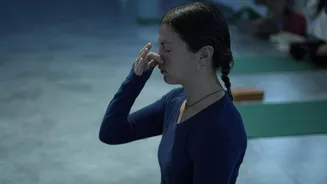
Breath-awareness exercises, often called breathwork or pranayama in yogic traditions, are structured techniques where you consciously control your breathing. This involves deliberately changing the pace, depth, or pattern of your inhales and exhales to achieve a specific outcome. Examples range from simple deep breathing to more complex practices like Box Breathing (inhaling, holding, exhaling, and holding for equal counts), 4-7-8 Breathing (inhale for 4, hold for 7, exhale for 8), and Alternate Nostril Breathing (Nadi Shodhana). These are not about passive observation; they are active interventions designed to shift your physiological and mental state.
Observation vs. Control: The Key Difference
The core distinction lies in intent. Noticing your natural breath is about 'being with' the breath without judgment. It builds mindfulness and self-awareness by teaching you to observe your body’s automatic processes. Breath-awareness exercises are about 'doing something with' the breath to create change. One is a practice of acceptance and presence, while the other is a tool for active regulation. You can't change what you don't first notice, which is why simply observing the breath is often considered the first step before moving on to more structured exercises.
Benefits of Simply Noticing Your Breath
The simple act of observing your breath has numerous benefits. It cultivates present-moment awareness, helping to quiet a mind that might be ruminating on the past or anxious about the future. This practice can reduce feelings of stress, improve focus, and help you become more attuned to your body's signals. It's a gentle, low-risk way to ground yourself anytime, anywhere, and serves as a solid foundation for deeper meditative practices. By paying attention, you might notice patterns you were previously unaware of, like holding your breath during moments of tension.
When to Use Specific Breathing Exercises
Active breath exercises are powerful tools for managing your nervous system. Techniques with a longer exhale, like the 4-7-8 breath, can trigger the body's relaxation response, making them ideal for calming anxiety or preparing for sleep. Rhythmic techniques like Box Breathing can steady the mind and improve focus before a stressful event. More energizing practices, such as Bhastrika (Bellows Breath), can help you feel more alert and refreshed. These methods offer a direct way to influence your mood and energy levels.
How to Get Started with Both
To practice noticing your natural breath, find a quiet spot and sit or lie down comfortably. Close your eyes and simply bring your focus to wherever you feel the breath most vividly—be it your nostrils, chest, or stomach. Don't try to change anything; just observe for a few minutes. For a simple breath exercise, try Diaphragmatic or 'Belly' Breathing. Place one hand on your chest and the other on your belly. Breathe in slowly through your nose, aiming to make your belly rise more than your chest. Exhale slowly through your mouth. Practicing for just 2 to 5 minutes a day can make a difference.