







The Familiar Misery of Monsoon Gridlock
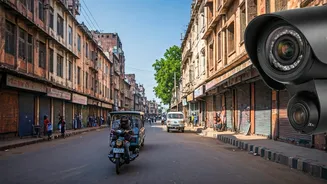
It’s a scene every Indian city-dweller knows intimately. The first heavy monsoon shower turns roads into rivers and commutes into multi-hour ordeals. Waterlogged streets in Mumbai, Gurugram, and Pune bring traffic to a standstill, creating a domino effect
of frustration. Drivers are stuck, engines overheat, and the stress is palpable. Those relying on ride-hailing apps face another monsoon tax: surge pricing. Fares can easily double or triple, penalizing you for circumstances beyond your control, turning a simple trip home into an expensive nightmare. Recent reports from Pune highlighted commuters paying nearly 700 rupees for a trip that usually costs under 300. This isn't just an inconvenience; it's a systemic failure where your time and money are washed away with the rain.
The Railway Lifeline
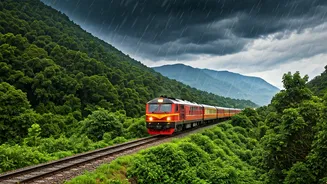
While cars and buses are trapped, another system keeps moving: the suburban railway. Often called the 'lifeline' of cities like Mumbai, trains prove their mettle during heavy rains. While road transport faces diversions and cancellations, railway officials often report services running normally or with manageable delays. This reliability makes train travel a strategic advantage. It's not about being immune to the monsoon—trains can be delayed by severe waterlogging on tracks—but about choosing the more resilient option. The choice becomes simple: a 20-minute delay on a train versus a three-hour standstill in a car. By choosing the rails, you are opting for predictability in a season defined by chaos.
More Than a Commute, It’s a Lifestyle Upgrade
Calling the train an 'anti-traffic hack' is only half the story. The real benefit lies in the quality-of-life upgrade. Imagine using your commute time to read, listen to music, or simply decompress instead of white-knuckling the steering wheel. The mental toll of navigating flooded, pothole-ridden roads is immense. Train travel eliminates this specific stressor entirely. Furthermore, it’s a financially savvy move. By sidestepping the exorbitant surge pricing of cabs and saving on fuel you would have burned while idling in traffic, your wallet stays healthier. The train transforms a dreaded journey into a productive or peaceful pause in your day, turning wasted time into reclaimed time.
A Window to a Greener World
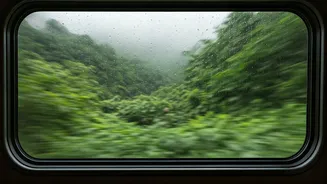
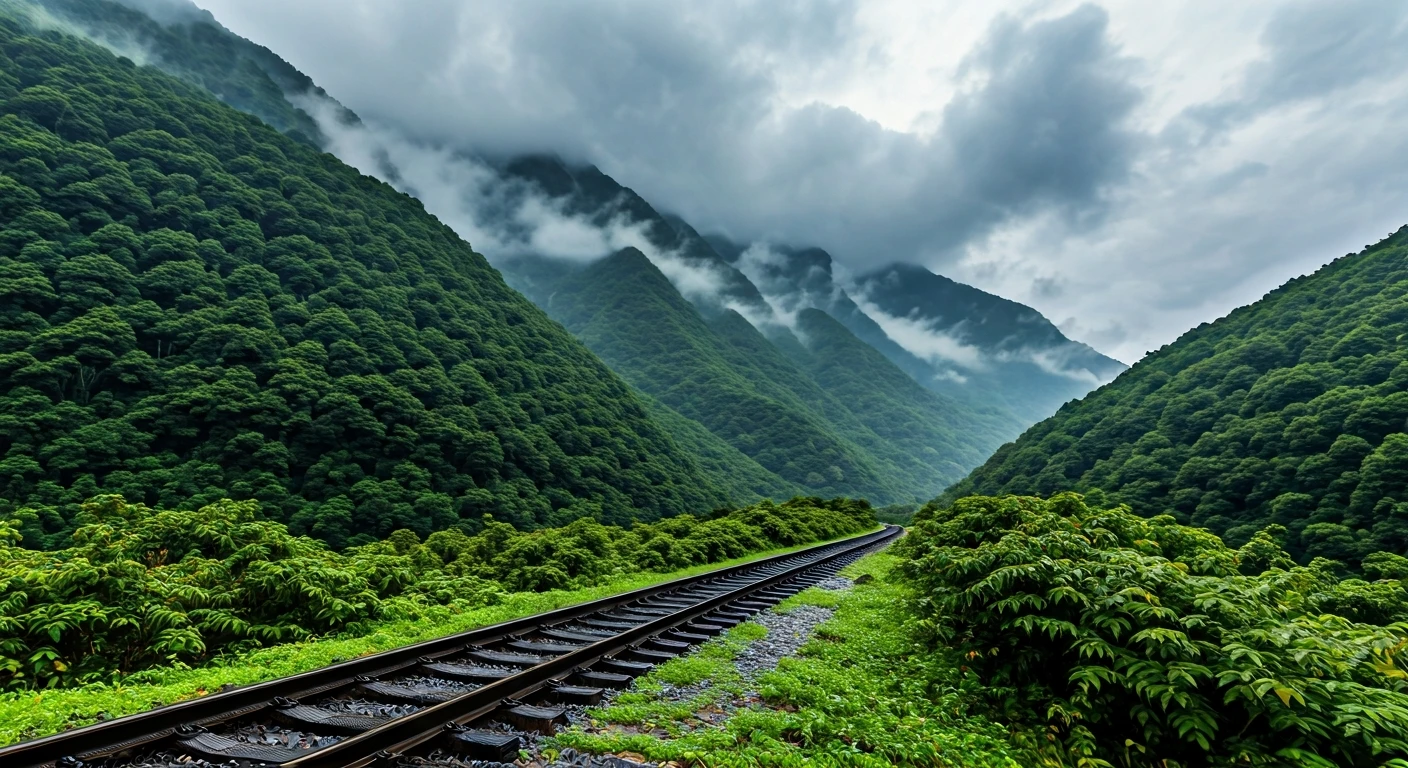
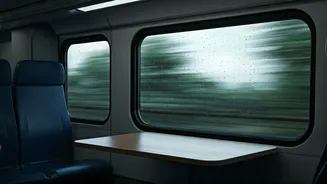
Beyond the daily grind, monsoon train journeys offer an unexpected bonus: breathtaking beauty. As the train leaves the concrete jungle, the landscape transforms. The rain washes the countryside, revealing vibrant shades of green, swelling rivers, and waterfalls cascading down hillsides, especially on scenic routes like the Konkan Railway between Mumbai and Goa or the journey through the Western Ghats. This experience, watching the rain-soaked world from a window seat with a hot cup of chai, is therapeutic. It turns travel from a mere necessity into a soul-stirring experience, connecting you with the season's profound beauty in a way that road travel, with its focus on hazards, simply cannot match.
How to Master the Rainy Ride
Making the switch requires a little preparation. First, technology is your friend. Use railway apps to check the live status of trains before you leave home; this helps you plan for any delays. Second, dress for success. Invest in footwear with excellent grip to navigate slippery platforms and a reliable waterproof bag to protect your electronics and other essentials. Be mindful of crowding, which can increase as more people abandon the roads. Try to avoid standing near open doorways, as sudden jerks and slippery floors can be a hazard. Finally, accept the imperfections. The train might be crowded or slightly delayed, but these are minor, manageable issues compared to the gridlock you are happily bypassing.