






Decoding Foreign Capital: Two Sides of a Coin
When foreign money enters a country, it generally arrives in two forms: Foreign Direct Investment (FDI) and Foreign Portfolio Investment (FPI). Think of it like this: FDI is like buying a house in a new neighbourhood with the intent to live there, improve
it, and become part of the community. It's a long-term commitment. FPI, on the other hand, is like buying stocks or bonds in that same neighbourhood. It's an investment in the area's success, but it's more liquid and can be sold off quickly if the market outlook changes. While both are important, FDI is considered 'sticky capital' because it is tied to physical assets and long-term business strategy, making it less prone to sudden exits during market turbulence. FPI is often called 'hot money' because it can flow in and out rapidly, influenced by short-term factors like interest rate changes or global risk sentiment.
The Current Financial Landscape
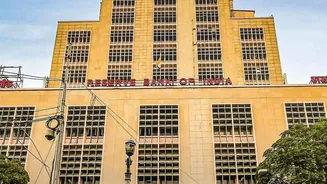
Recent data from the Reserve Bank of India (RBI) paints a clear picture of this dynamic. While FPI flows have been volatile, and at times negative, robust FDI inflows have provided a crucial cushion. For instance, preliminary RBI data for August 2026 showed net FDI inflows at a healthy $3.3 billion. This contributed significantly to India's overall balance of payments (BoP) surplus of $45.4 billion for that month. For the fiscal period of April to August 2026, net FDI inflows rose to $13.8 billion, a substantial increase from the $9.6 billion recorded in the same period a year prior. This steady FDI performance contrasts with the more unpredictable nature of FPI, which has seen periods of significant outflows over the past couple of years.
Why FDI is the Bedrock of Stability
Economists and policymakers favour strong FDI for several reasons beyond just the inflow of capital. Unlike external loans, FDI is a non-debt-creating source of funds, meaning it doesn't add to the nation's repayment burdens. More importantly, it brings with it a cascade of secondary benefits. Foreign companies setting up operations in India transfer advanced technology, modern management techniques, and new skill sets to the local workforce. This creates quality jobs, boosts manufacturing capabilities, and integrates the Indian economy more deeply into global supply chains. These investments in factories, infrastructure, and technology build long-term productive capacity, fostering sustainable economic growth that isn't dependent on the whims of short-term market sentiment.
Which Sectors Are Attracting Global Investors?
The FDI pouring into India is not random; it's targeted at high growth areas. The services sector, encompassing financial, banking, and insurance services, remains a top recipient. Technology and digital infrastructure are also major magnets for foreign capital, with global tech giants expanding their cloud and AI infrastructure in the country. Furthermore, there's a clear trend of investment flowing into manufacturing linked sectors, boosted by government initiatives like the Production Linked Incentive (PLI) scheme. Key areas include renewable energy, pharmaceuticals and life sciences, defence manufacturing, and the automotive sector, particularly electric vehicles (EVs). Major investments are coming from countries like Singapore, the United States, and Japan, highlighting broad based global confidence in India's long term story.
A Vote of Confidence in India's Future
In essence, the continued strength of Foreign Direct Investment serves as a powerful vote of confidence from the global business community. While portfolio investors may react to immediate market news, direct investors are making multi billion dollar bets on India's demographic advantages, growing consumer market, and stable policy environment. This long term capital provides a crucial buffer, allowing the economy to absorb shocks from volatile 'hot money' outflows without derailing its growth trajectory. The positive net capital inflow, anchored by FDI, signals that despite global headwinds, international corporations see India not just as a market to invest in, but as a partner to build with for the future.