







Tyres: Your Only Contact With The Road
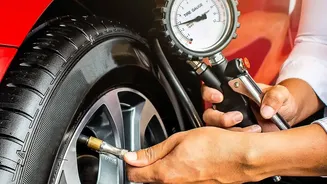
On wet, winding hill roads, your tyres are critical. Worn tyres significantly increase the risk of skidding or hydroplaning, where a layer of water builds between the rubber and the road, causing a complete loss of control. Before you set off, inspect
your tyres for adequate tread depth; a minimum of 3mm is advisable for monsoon driving. You can check this using a tread wear indicator bar found on the tyre itself. Also, check for any visible cracks on the sidewalls and ensure the tyre pressure, including the spare, is at the manufacturer-recommended level. Incorrect pressure affects grip, braking, and handling, all of which are magnified on steep gradients and sharp turns.
Brakes: Your Most Important Safety System
Descending hills in the rain puts immense strain on your braking system. Effective brakes are non-negotiable. Listen for any squealing, grinding sounds, or vibrations when you apply the brakes, as these are tell-tale signs that the brake pads need inspection or replacement. Water on the road can reduce braking efficiency. After driving through a waterlogged patch, it's a good practice to gently tap your brakes a few times to dry them out and restore normal performance. Also, ask your mechanic to check the brake fluid. If it's dark or cloudy, it may have absorbed moisture, which can compromise braking power.
Visibility: See and Be Seen
Heavy rain and fog are hallmarks of a hill-station monsoon, drastically reducing visibility. Your wipers are your first line of defence. If they leave streaks, judder, or squeak across the glass, replace the blades immediately. The rubber hardens in the summer heat, making last year's wipers ineffective. Top up your windshield washer fluid, preferably with a proper solution that helps clear road grime. Equally important is ensuring other drivers can see you. Do a walk-around check of all your lights: headlights (low and high beam), tail lights, brake lights, and indicators. In foggy conditions, having functional fog lamps is a huge advantage.
Battery and Electrics: The Heart of Your Car
The damp and humid monsoon weather can be tough on a car's battery and electrical systems. An old or weak battery is more likely to fail in such conditions, leaving you stranded. Check the battery terminals for any signs of corrosion (a white, powdery deposit) and ensure the connections are tight and secure. It's also wise to check for any exposed wiring, especially if you have had aftermarket accessories installed. Water seeping into faulty wiring can cause short circuits and major electrical problems. A quick check by a mechanic can confirm your battery's health before you start your journey.
Fluids and Under the Bonnet
Hill driving makes your engine work harder, generating more heat. Ensure your engine oil and coolant are at their recommended levels. Brown or rusty-looking coolant should be flushed and replaced, as it won't cool the engine effectively. The air conditioner also plays a safety role during the monsoon; it's essential for demisting the windscreen and keeping the cabin free of excess moisture. If your AC isn't cooling effectively, get it checked, as it will struggle to keep your view clear. Also, ensure the horn is functioning properly—it is an essential tool for alerting other drivers on blind corners common in hilly terrain.
Pack a Monsoon Emergency Kit
Even with the best preparation, unexpected situations can arise. A basic emergency kit can be a lifesaver. This should include a tow rope, jumper cables, a powerful torch, and a first-aid kit. Also, pack a tyre inflator and a puncture repair kit. Other useful items include a reflective warning triangle to alert other drivers if you break down, an umbrella, and a waterproof sheet. Given the remoteness of some hill roads, having these essentials provides peace of mind and ensures you are prepared for most common roadside troubles.