





From Landmarks to Lived Experiences
For decades, a successful holiday was measured by the number of famous landmarks visited and photos clicked. Today, young Indian travellers are consciously moving away from this model. Recent reports on travel trends show a clear pivot towards experiences
over destinations. Instead of the usual packed itineraries, many are opting for slower, more immersive journeys. This shift is especially prominent among Gen Z and millennial travellers, who increasingly prefer personal and unique trips over pre-planned tours. The focus is less on seeing a place and more on feeling it, whether that means settling into a homestay for a week or exploring a single neighbourhood without a fixed agenda.
The Search for Silence and Wellness
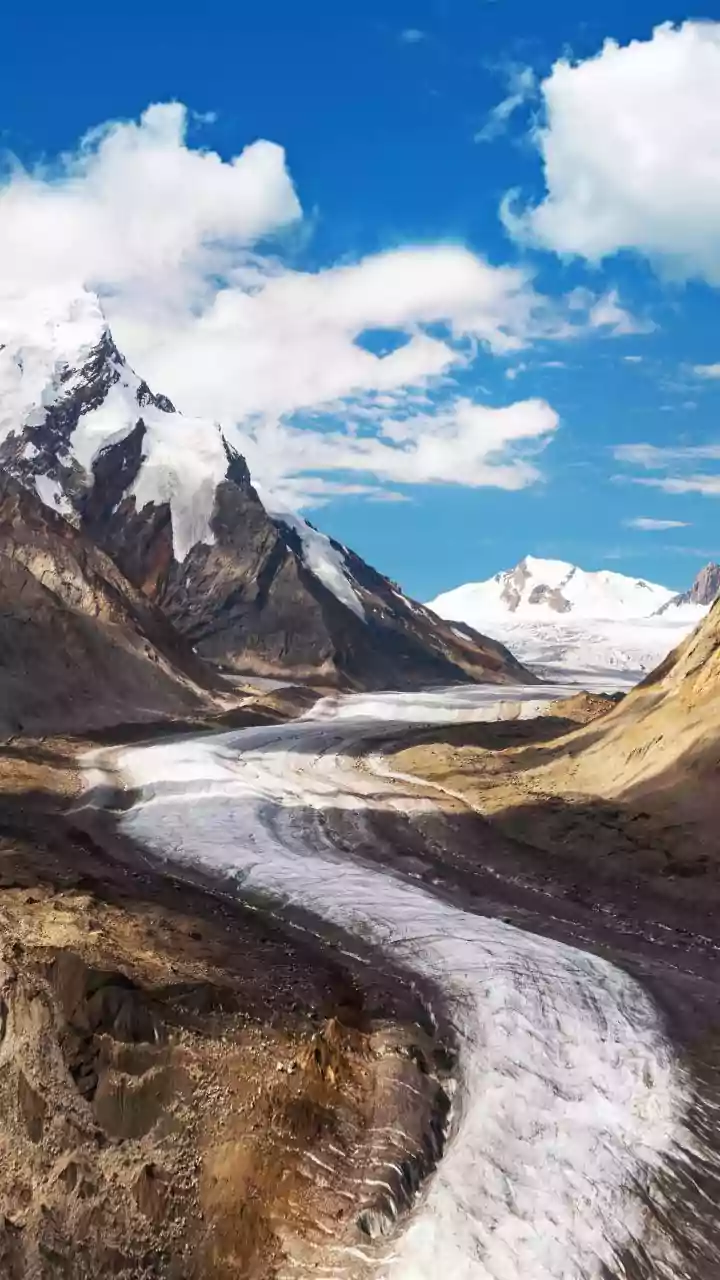
Burnout is real, and for many young professionals, holidays are becoming an essential antidote. This has fuelled a massive surge in wellness tourism, with a focus on destinations that offer peace and a connection with nature. The trend of 'workations' and long-stay retreats in mountain towns across Himachal Pradesh and Uttarakhand is a direct result of this desire to escape urban chaos. Travellers are seeking out serene landscapes not just for a digital detox, but for genuine mental and physical rejuvenation. This has turned quiet locations into hubs for activities like yoga, meditation, and simply unwinding, with India's wellness tourism market projected to grow significantly.
The Rise of the Mindful Traveller
This new holiday trend is also rooted in a growing consciousness about sustainability and responsible travel. Many young explorers are actively seeking eco-friendly accommodations and community-driven tourism models that support local economies. Destinations like Sikkim, India's first fully organic state, and offbeat places with strong local cultures like Majuli in Assam or Ziro Valley in Arunachal Pradesh, are gaining popularity. This approach, often called 'slow travel', prioritizes making a positive impact, leaving a smaller footprint, and forming authentic connections with the place and its people, a stark contrast to the mass tourism of the past.
Where Nature Is the Main Attraction
So where are these travellers headed? The search for tranquillity is leading them to India's hidden gems. Instead of the crowded circuits, they are exploring the pristine Tirthan Valley in Himachal Pradesh, the unspoiled riverside havens of Uttarakhand, and the quiet forest trails of the Western Ghats. Bookings are on the rise for eco-lodges, boutique homestays, and private villas in less-crowded locations. Places like Coonoor in Tamil Nadu, the living root bridges of Meghalaya, and the serene backwaters of Kerala are being chosen for their natural beauty and the promise of solitude. Even popular states like Goa are being explored differently, with travellers seeking out its quieter, southern villages over the bustling northern beaches.
A Short Break is the New Long Vacation
Interestingly, this shift towards deeper experiences is happening over shorter, more frequent trips. A recent Airbnb report revealed that seven in ten Gen Z travellers in India would rather take three short trips than one long holiday. Another survey found that 72% of Indian Gen Z travellers prefer trips that last between one and seven days. These 'micro-cations' are easier to plan around work or study schedules and allow for regular resets. This trend signals a fundamental change: travel is no longer a once-a-year event but an integrated part of life, a way to frequently disconnect and recharge before diving back into routine.