


Why Mindful Movement Works
Before diving into the stretches, it's helpful to understand why they work. When we get stressed, our bodies tense up, releasing hormones like cortisol. This physical tension can make it hard to concentrate. Mindful movement is the practice of paying
full attention to your body as you move. It combines physical exercise with present-moment awareness. This simple act of connecting your breath to your movement helps activate the parasympathetic nervous system, which is your body’s natural relaxation response. Studies show that even brief periods of stretching can increase blood flow to the brain, delivering more oxygen and nutrients that are critical for clear thinking and memory. This process also releases endorphins, the body's feel-good chemicals, which can instantly lift your mood and reduce feelings of anxiety.
1. Simple Neck Rolls
Hours spent hunched over books or a laptop can create immense tension in the neck and shoulders. This is one of the easiest stretches to do right at your desk. Sit up straight in your chair with your feet flat on the floor and your shoulders relaxed. Gently tilt your head, bringing your right ear toward your right shoulder. Hold for 15-30 seconds, breathing deeply and noticing the stretch along the left side of your neck. Slowly roll your head forward until your chin is near your chest, then continue the roll to bring your left ear toward your left shoulder. Avoid rolling your head backward, as this can strain your neck. Repeat this gentle arc three to five times on each side to release stiffness and improve circulation to your brain.
2. Seated Cat-Cow Stretch
This yoga-inspired movement is excellent for relieving tension in the spine and encouraging deep, calming breaths. Sit at the edge of your chair with your feet firm on the ground and your hands resting on your knees. As you inhale, gently arch your back, push your chest forward, and look up slightly (Cow Pose). Feel the stretch across your chest and the front of your body. As you exhale, round your spine, dropping your chin to your chest and pulling your navel in toward your spine (Cat Pose). Feel the stretch across your upper back. Flow between these two positions for five to ten breath cycles. This movement not only eases back pain but also syncs your breath with your body, creating a meditative rhythm that calms the nervous system.
3. Torso Twists for a Reset
A seated twist can feel incredibly restorative, helping to wring out stress from your spine and internal organs. Sit tall in your chair, keeping your feet on the floor. On an exhale, gently twist your upper body to the right, placing your left hand on your right thigh and your right hand on the back or arm of the chair for support. Keep your hips facing forward and use your breath to guide the movement—inhale to lengthen your spine and exhale to deepen the twist slightly. Hold for three deep breaths, then slowly return to the center and repeat on the left side. This stretch helps to relieve lower back tension and can aid digestion, which often becomes sluggish during periods of high stress.
4. Seated Forward Bend
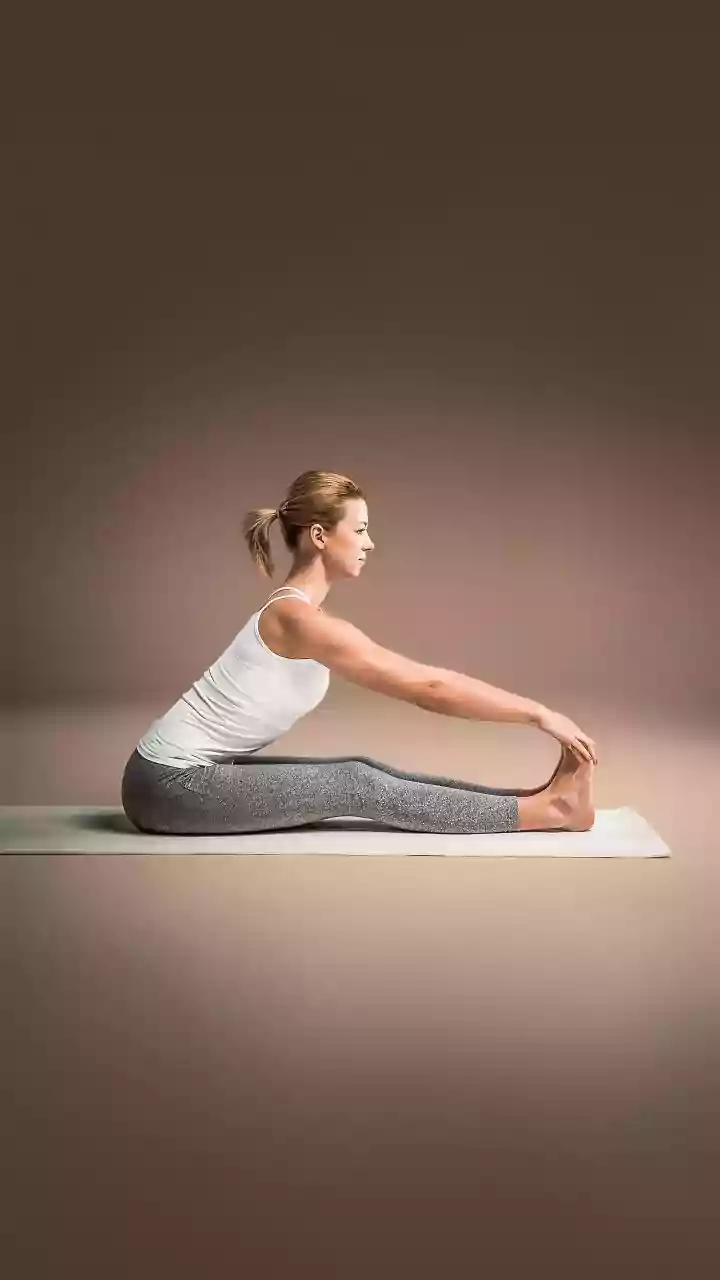
When you feel overwhelmed, a forward fold can be incredibly grounding. This modified version can be done easily in a chair. Sit tall and as you exhale, slowly hinge forward from your hips, letting your chest rest on your thighs and your head hang heavy. You can let your arms dangle toward the floor or rest them on your legs. The gentle pressure on your abdomen and the passive stretch in your back and neck are deeply calming. Stay here for five to eight deep breaths, focusing on the sensation of release in your spine and shoulders. This pose encourages introspection and quiet, providing a mini-retreat from your study materials.
5. Wrist and Finger Stretches
Don't forget the parts of your body doing all the work! Constant writing or typing can lead to stiff hands and wrists. Extend your right arm in front of you with your palm facing up. With your left hand, gently press down on the fingers of your right hand, pulling them toward the floor until you feel a stretch in your forearm. Hold for 20 seconds. Then, flip your hand so your palm faces down and gently press the back of your hand toward you. Repeat on the other side. Afterward, make gentle fists and roll your wrists in circles, then open and close your hands several times to release any remaining tension.