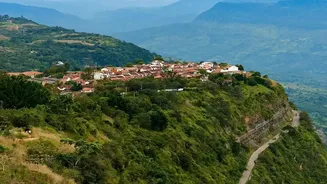




The Drive to Mahabaleshwar: Mist and Magic
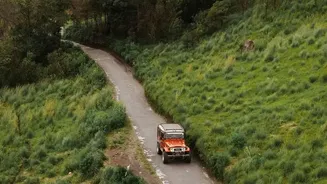
Mahabaleshwar is a classic post-monsoon escape, and the drive is a major part of its charm. For drivers starting from Mumbai or Pune, the most reliable route is via the Mumbai-Pune Expressway (NH48) towards Satara, exiting for Wai and then climbing the ghats
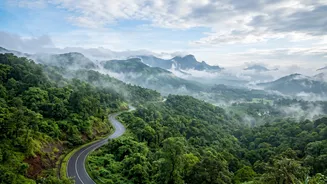
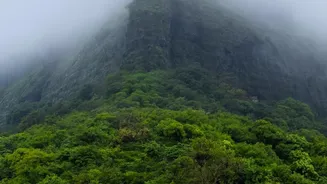
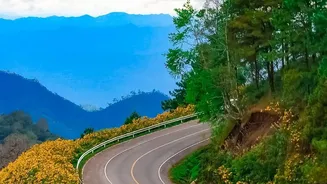
through Panchgani. This approximately 260 km journey from Mumbai can take 5-7 hours. The expressway section is smooth, but the final ghat road from Wai to Mahabaleshwar is where the real adventure begins. Post-monsoon, this stretch is often enveloped in thick fog, drastically reducing visibility. The roads can be slippery, with potholes sometimes emerging after heavy rains, particularly between Panchgani and Mahabaleshwar. It is safer to take this route over the one via Poladpur Ghat (NH66), which is more prone to landslides during and immediately after heavy rains. Recommended stops include the Mapro Garden between Panchgani and Mahabaleshwar for their famous strawberry cream and Sydney Point in Panchgani for panoramic views of the Krishna Valley.
Cruising to Coorg: The Scotland of India
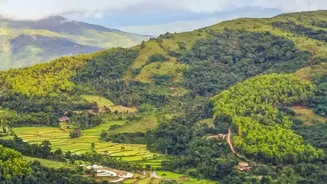
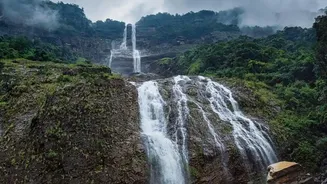
The journey to Coorg (Madikeri) from Bangalore is a drive through changing landscapes, from bustling highways to serene coffee country. The most popular and well-maintained route is the NH275, which takes you from Bangalore through Mysore, Hunsur, and Kushalnagar to Madikeri. The distance is about 265 km, typically taking 5.5 to 6.5 hours. Following the inauguration of the Bengaluru-Mysuru Expressway section, the initial leg of the journey has become significantly faster. However, post-monsoon conditions demand caution on the final stretches, as the roads within Coorg can be narrow and may have suffered damage. Recent government projects aim to strengthen this highway, particularly the landslide-prone sections near Madikeri, but it's wise to add extra time for potential delays. For a scenic detour, stop at the Namdroling Monastery (Golden Temple) in Bylakuppe, near Kushalnagar. The post-monsoon season is ideal for visiting, as waterfalls like Abbey Falls are at their most powerful and the coffee plantations are brilliantly green.
A Route to Satara: Gateway to the Valley of Flowers
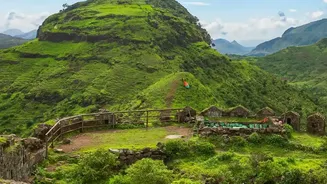
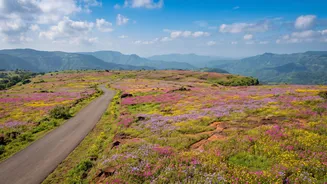
For many, a post-monsoon drive to Satara is a pilgrimage to the Kaas Plateau, Maharashtra's own Valley of Flowers, a UNESCO World Natural Heritage site. The best route from both Mumbai (approx. 280 km) and Pune (approx. 130 km) is via the NH48 to Satara city. From Satara, it's a scenic 25 km drive west to the plateau. This final stretch is a ghat road that offers beautiful views but requires careful driving. The main attraction, the Kaas Plateau, typically opens to visitors in early September, with flowers blooming through October. Visiting requires planning, as access is regulated to protect the fragile ecosystem. Only a limited number of visitors are allowed daily in timed slots, and booking online is often mandatory, especially on weekends. Be sure to check the official Kaas committee website for the latest bloom status, opening dates, and entry rules before you travel.
Essential Post-Monsoon Driving Tips
Driving in the ghats after the rains comes with its own set of challenges. Before you start, ensure your vehicle is ready. Check your tyres for adequate tread, as wet and slippery roads demand maximum grip. Test your brakes, headlights, and especially your wipers. On the road, slow down. Winding ghat roads, reduced visibility due to fog, and the potential for hidden potholes require lower speeds and heightened awareness. Never overtake on a blind curve and use your horn liberally to announce your presence. Be particularly cautious of slushy patches and listen for local advice regarding road closures, which can happen suddenly due to landslides. Carrying a basic emergency kit with a tyre inflator can be a lifesaver on remote stretches where help may not be immediately available. Always start early to ensure you complete the tricky ghat sections in broad daylight.