

The Challenge of Kyoto's Famous Gates
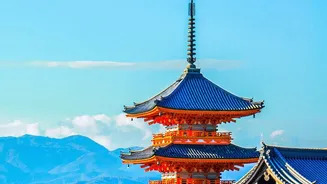
Kyoto is often the heart of a first-time trip to Japan, but its popularity comes at a cost. The Fushimi Inari Shrine, with its thousands of vermilion torii gates, and the Arashiyama Bamboo Grove are two of the most photographed—and congested—spots in the country.
During peak cherry blossom or fall foliage seasons, the narrow paths at both locations can become impassable from mid-morning to late afternoon, making it difficult to capture the serene atmosphere they're known for. The experience can feel less like a spiritual journey and more like waiting in a queue.
Alternatives for a Quieter Kyoto Experience
Instead of jostling for space at Arashiyama, consider the nearby Adashino Nenbutsu-ji Temple, which has its own enchanting bamboo path with a fraction of the visitors. For a different kind of spiritual tranquility, Kyoto has over 1,600 temples. Lesser-known gems like the Daitoku-ji temple complex or the moss-covered gardens of Gio-ji Temple offer a peaceful escape. If you're set on the iconic Fushimi Inari, the key is timing: an early morning visit, ideally before 7 a.m., allows you to experience the magic before the crowds descend. The higher you climb the mountain path, the fewer people you'll encounter.
Tokyo: Beyond the Shibuya Scramble
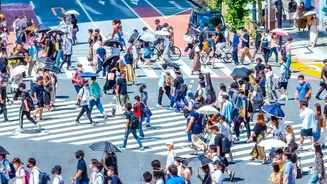
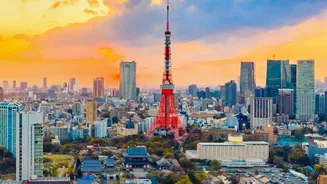
Tokyo's famous landmarks, such as the Shibuya Crossing and Senso-ji Temple in Asakusa, are defined by their energy and crowds. While experiencing the world's busiest intersection is a must for many, there are ways to see a different side of the metropolis. For a less chaotic but equally vibrant cultural scene, explore neighborhoods like Yanaka or Koenji. Yanaka, known as 'Old Tokyo', offers a glimpse into a more traditional, slower-paced life with its charming small shops and temples. To see major sites like Meiji Jingu or Senso-ji without the masses, take advantage of their early opening times—often at sunrise.
Escaping the 'Golden Route' Entirely
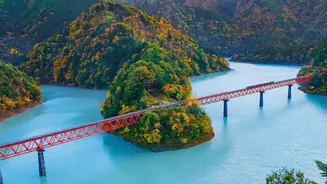
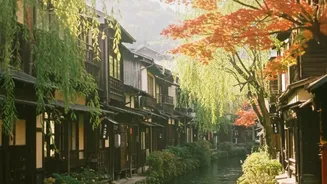
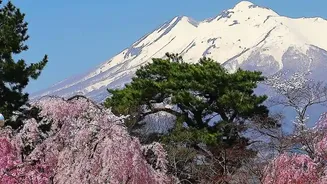
The well-trodden tourist path of Tokyo-Kyoto-Osaka is popular for a reason, but Japan’s wonders extend far beyond it. For a historic atmosphere similar to Kyoto but without the overwhelming crowds, consider cities like Kanazawa or Matsue. Kanazawa, often called 'Little Kyoto', boasts one of Japan's most beautiful gardens, Kenrokuen, as well as preserved samurai and geisha districts. Matsue, in the less-visited San'in region, is home to one of Japan's few remaining original castles and a celebrated tea culture. For nature lovers, regions like the Japanese Alps, the spiritual Kumano Kodo pilgrimage trail, or the remote Iya Valley on Shikoku island offer breathtaking scenery and authentic experiences away from the main tourist trail.
Rethinking When You Go
The most significant factor in overcrowding is timing. The peak seasons for international and domestic tourism are the cherry blossom period from late March to April and the autumn foliage season from October to November. If your schedule is flexible, consider traveling during the shoulder seasons. The period from late November to early March (excluding New Year's) is much quieter and offers crisp, clear weather. Similarly, early summer in June, despite being the rainy season, sees far fewer tourists. Traveling off-peak not only provides a more relaxed experience but also often comes with lower prices for flights and accommodation.