








A New Eye on the Dark Universe
Arguably one of the biggest leaps forward in 2026 is the launch of NASA's Nancy Grace Roman Space Telescope, scheduled for August 30. This observatory is designed to be a cosmic surveyor, with a field of view at least 100 times larger than the Hubble
Space Telescope's. While Hubble provides deep, narrow views of the universe, Roman will create vast panoramas of the sky in infrared light. Its primary goals are to investigate the mysteries of dark energy and dark matter, and to discover new exoplanets using a technique called microlensing. The telescope, which is reportedly ahead of schedule and under cost, will be able to measure light from a billion galaxies and may discover thousands of new planets. Its ability to block starlight will also allow it to directly image exoplanets and the dusty disks where they form.
The Great Sky Survey Begins
On the ground, the Vera C. Rubin Observatory in Chile is poised to officially begin its decade-long Legacy Survey of Space and Time (LSST) in 2026. After years of construction, this ground-based observatory is equipped with the largest digital camera ever built—a 3,200-megapixel instrument. It will scan the entire southern sky every few nights, creating an unprecedented movie of the cosmos. This will generate millions of alerts per night, flagging everything from exploding stars (supernovae) to near-Earth asteroids for follow-up observation by other telescopes. In its first year alone, Rubin is expected to capture images of more objects than all previous optical observatories in history combined. The survey, set to begin any day now, will provide critical data for understanding dark matter, cataloging the solar system, and mapping the Milky Way.
International Ambitions on the Moon and Mars
While NASA's Artemis III mission, the planned return of humans to the lunar surface, has been pushed to 2027, 2026 remains a busy year for robotic exploration. China is targeting a late 2026 launch for its Chang'e-7 mission to the Moon's south pole. This ambitious project includes an orbiter, lander, rover, and a mini-flying probe to search for water ice in permanently shadowed craters. Meanwhile, Japan's Martian Moons eXploration (MMX) mission is scheduled to launch in November or December 2026. Its goal is to orbit Mars's largest moon, Phobos, land on its surface to collect samples, and return them to Earth by 2031. This will be the first-ever sample return from the Martian system and aims to solve the mystery of whether Mars's moons are captured asteroids or debris from an ancient impact.
India's Ascent and Asteroid Encounters
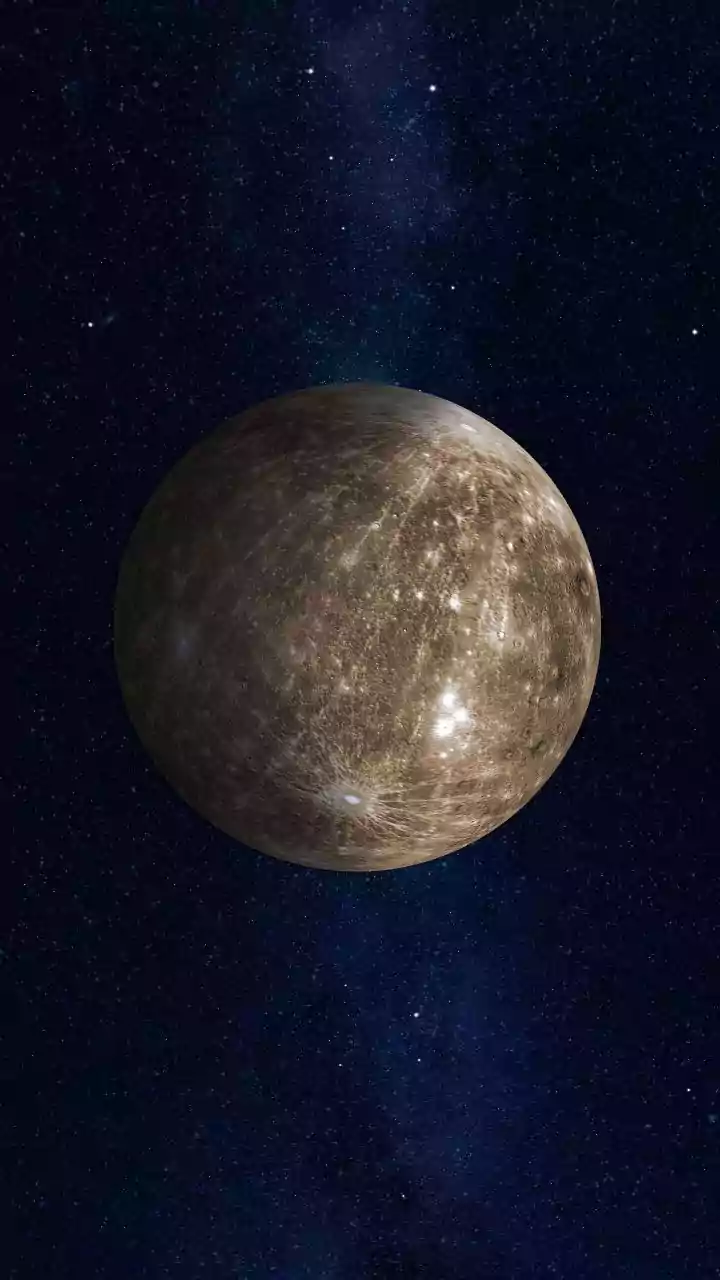
The Indian Space Research Organisation (ISRO) is also planning a busy year, with a manifest of up to 27 missions for the 2026-27 financial year. A key highlight is the planned uncrewed flight for the Gaganyaan programme, India's initiative to send astronauts into space. These missions are crucial for testing the systems that will eventually carry Indian astronauts. Elsewhere in the solar system, 2026 will see some exciting arrivals. The European Space Agency’s Hera mission is scheduled to rendezvous with the asteroid Dimorphos in November. This is a follow-up to NASA's DART mission, which successfully altered the asteroid's orbit in 2022, and Hera will survey the impact's aftermath. Also, after an eight-year journey, the joint ESA-JAXA BepiColombo mission is set to finally enter orbit around Mercury in late 2026 to study the planet closest to the Sun in unprecedented detail.