
Find Your Sanctuary, No Matter the Size
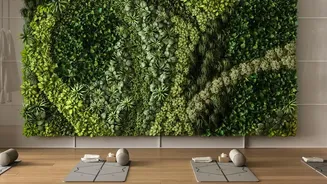
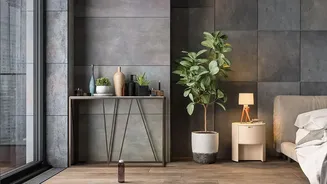
The first step isn't buying anything; it's choosing your space with intention. Look for a quiet corner in your home — it could be beside a window in your bedroom, a small patch of the living room, or even a cleared space at the foot of your bed. The ideal
spot is one that feels calm and has minimal foot traffic. You don’t need a whole room; a space just large enough for a yoga mat is plenty. The key is consistency. By returning to the same spot, you train your mind to switch into practice mode, making it easier to focus and drop into your flow. Before you begin, take a moment to declutter the area. A tidy space helps create a tidy mind, removing visual distractions and allowing for a more profound sense of peace.
Set the Mood with Simple Touches
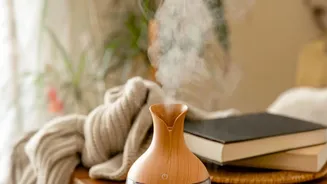
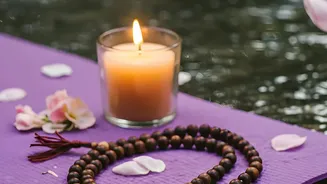
Ambiance is crucial for turning a simple corner into a sanctuary. Soft lighting can instantly make a space feel more tranquil. If you have harsh overhead lights, try using a small lamp with a warm bulb instead. Natural light is also wonderful if your practice is during the daytime. Consider your other senses as well. A simple, calming scent from an essential oil diffuser or an incense stick can signal to your brain that it's time to relax. You can also curate a calming playlist of instrumental music or nature sounds. These small, intentional acts don't cost much but have a significant impact on the quality of your practice, creating an atmosphere of care and helping your body and mind to slow down.
The Ultimate DIY Yoga Props
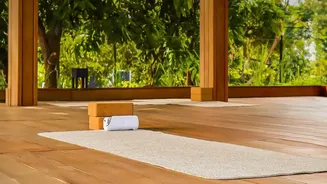
The heart of a budget-friendly practice is getting creative with what you have. Most homes are already full of potential yoga props. You just need to know where to look. Instead of yoga blocks, sturdy, thick books or even tightly taped cardboard boxes can bring the floor closer to you in poses like Triangle or Extended Side Angle. For a bolster to support you in restorative poses, tightly roll a few thick towels or blankets together. You can also use couch cushions or bed pillows. A bathrobe sash, necktie, or scarf makes an excellent substitute for a yoga strap to help with flexibility. And for an eye pillow during Savasana, a clean sock filled with uncooked rice or beans works perfectly.
What If You Don't Have a Mat?
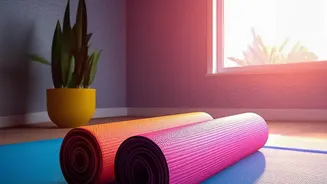
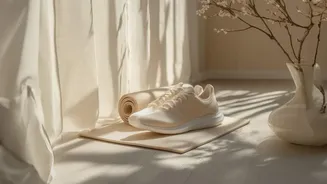
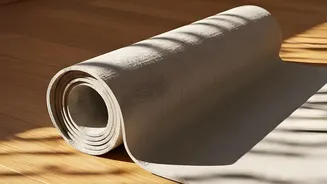
While a yoga mat is often seen as essential, you can still practice without one. For thousands of years, yogis practiced on the bare earth or grass. If you have a carpeted floor, it can provide enough cushioning for many poses, though it might be less stable for balancing. A large beach towel or a woven blanket can also provide a soft, clean surface, especially for seated or lying postures. The key is to be mindful of slipping on smoother surfaces like hardwood or tile. Practicing without a mat can even have benefits, helping to increase muscle engagement and improve your stability over time.
Honour Your Practice, Not Your Possessions
Creating a dedicated space is about honouring your commitment to yourself. It's a physical representation of the time you are carving out for your well-being. When you push aside the coffee table or unroll your mat in your chosen corner, you are performing a small ritual that prepares you for practice. This space, however humble, becomes sacred through your consistent use and intention. It’s not about having the perfect props or a designer room; it’s about having a place that allows you to connect with your breath and your body without distraction. The most important part of yoga is showing up on the mat—or the towel, or the carpet—and the most peaceful space is the one you create within yourself.