






The Serotonin and Sunlight Connection
One of the primary drivers of monsoon cravings is biochemical. The grey, overcast skies of the rainy season mean significantly less exposure to sunlight. This reduction can cause a dip in your body's production of serotonin, often called the 'happy hormone'.
Serotonin plays a crucial role in regulating mood and appetite. When its levels are low, we can feel tired, irritable, or a little down. In response, the brain seeks a quick fix. Carbohydrate-rich foods, like those found in many deep-fried snacks, can temporarily boost serotonin levels, providing a fleeting sense of well-being and comfort. This is why that plate of samosas or bhajiyas feels so satisfying on a gloomy day.
The Vitamin D Dip
Alongside serotonin, sunlight is essential for our bodies to produce Vitamin D. This crucial nutrient not only supports bone health but also plays a role in our immune system and mood regulation. During the long, cloudy days of monsoon, our Vitamin D levels can naturally decrease, which some studies link to lower moods and increased feelings of lethargy. This physiological shift can make us crave energy-dense foods as the body attempts to compensate for the lack of a different kind of energy—the one it gets from the sun. While pakoras won't replenish your Vitamin D, the craving itself is rooted in this biological response to less sunlight.
Answering the Craving for Warmth
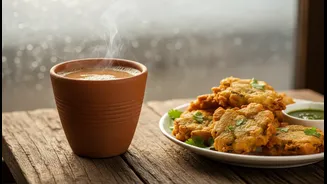
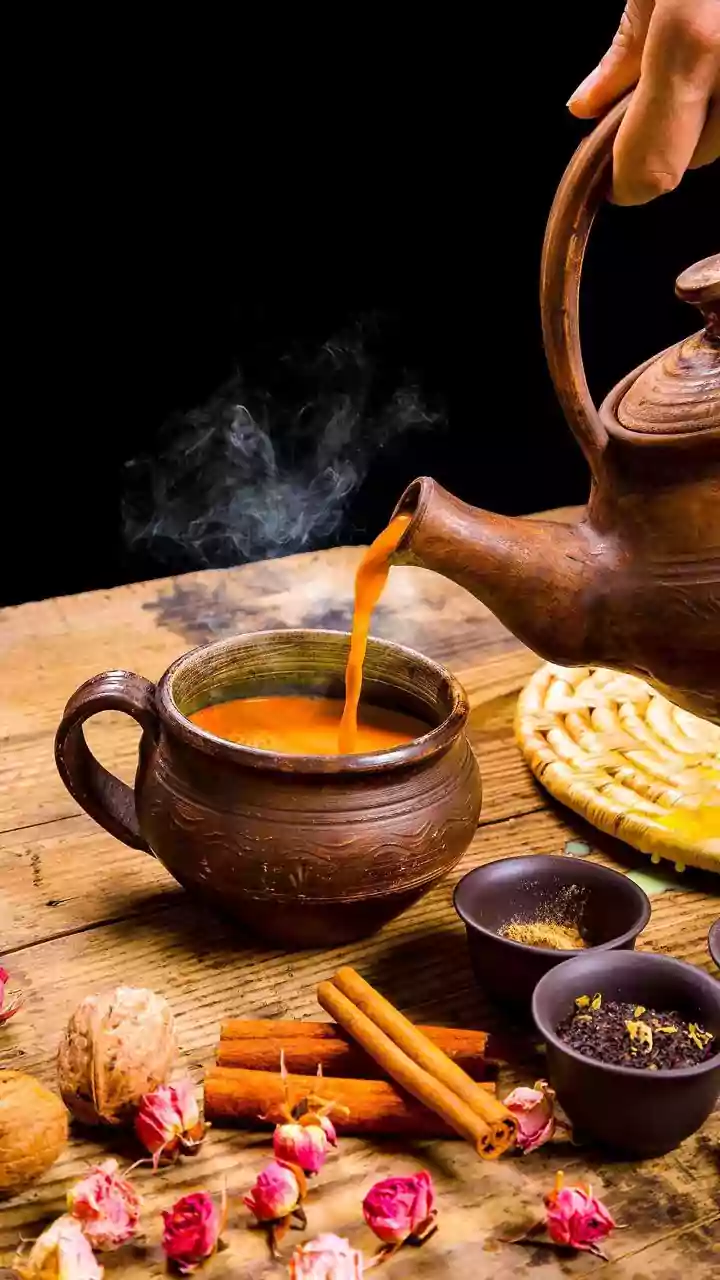
The monsoon brings a welcome drop in temperature, but it also makes our bodies work harder to stay warm. This process, known as thermoregulation, triggers a natural desire for warm, calorie-dense foods. A steaming cup of chai, a hot bowl of soup, or snacks straight from the frying pan provide an immediate sense of physical warmth that contrasts beautifully with the cool, damp weather outside. The satisfying crunch of a crispy snack also offers a sensory counterpoint to the soft, humid atmosphere, making the experience feel more comforting and complete. It's a simple case of our bodies seeking the opposite of what the environment is giving.
When Nostalgia Becomes an Appetite
Beyond the biology, there is a powerful psychological and cultural component to our monsoon cravings. For many in India, the smell of rain (petrichor) is deeply intertwined with memories of childhood. It evokes feelings of home, of family gathering in the kitchen, and of sharing hot snacks while watching the rain fall. This is a classic example of associative learning, where the brain links the experience of rain with the comforting feeling of specific foods. Over years, this connection becomes so strong that the craving feels automatic. What you’re really craving isn't just the food itself, but the entire feeling of comfort, security, and nostalgia that comes with it.
Enjoying Mindfully
Understanding the science behind these cravings doesn't mean you have to fight them. In fact, it validates the experience. Health experts suggest there is nothing wrong with enjoying these traditional treats in moderation, especially if they are prepared at home with fresh ingredients. Pairing them with healthier options or choosing steamed snacks like idli or dhokla on some days can offer a good balance. Ancient traditions like Ayurveda also recognise the shift in the body's needs during this season, recommending warm, easily digestible foods and immunity-boosting spices like ginger and turmeric, which are often found in monsoon dishes.