




The Deceptive Dangers of Monsoon
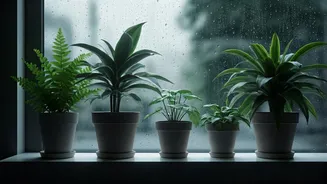
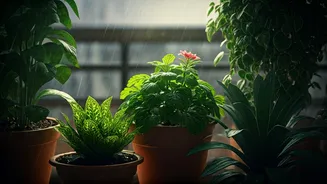
While the rains nourish the outdoors, the story inside our homes is different. The monsoon dramatically increases air humidity, which means the soil in your pots dries out much slower. Compounding this, sunlight—essential for water absorption and photosynthesis—is
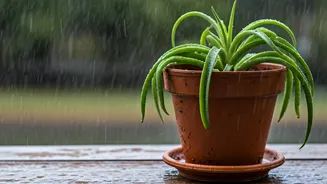
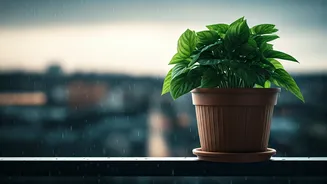
often scarce. This combination creates a perfect storm for a common and fatal mistake: overwatering. Many plant parents continue their regular watering schedule, not realising the soil is already saturated. This seemingly caring act can suffocate the plant's roots, which need oxygen just as much as they need water to survive. Even plants placed on balconies aren't safe, as constant rain can keep the soil waterlogged for days.
Understanding the Silent Killer: Root Rot
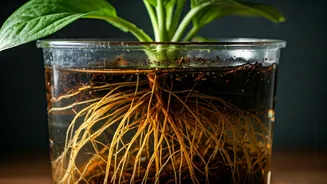
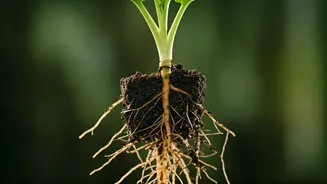
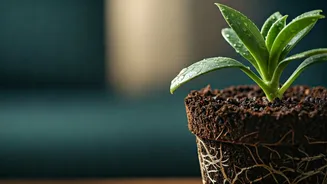
The greatest threat to your plants this season is root rot. This condition occurs when excess water sits in the pot, depriving roots of the oxygen they need to function. Without oxygen, the roots can't absorb nutrients and begin to decay, turning mushy and black. It’s a sneaky problem because the initial symptoms are deceptive; the plant might wilt or have yellowing lower leaves, which often looks like it needs more water, not less. This standing water, often hidden in the saucer or tray beneath your pot, becomes a breeding ground for harmful fungi and bacteria that accelerate the decay. By the time you notice significant signs above the soil, the damage below is often severe.
Your New Essential Habit: Dumping the Tray
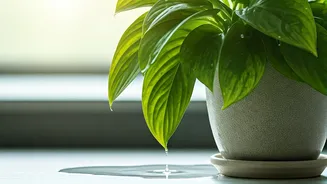
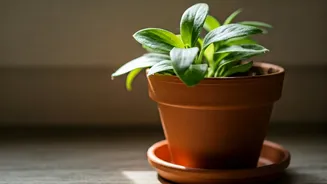
This brings us to the single most important habit for monsoon plant care: regularly emptying the drainage tray or saucer under your pots. While these trays are essential for protecting your floors and furniture, they become dangerous reservoirs during the monsoon. Any excess water that drains from the pot must be discarded promptly. A good rule of thumb is to water your plant thoroughly, wait about 15 to 30 minutes for all the excess to drain out, and then lift the pot and dump the collected water. Letting a pot sit in a saucer full of water is the equivalent of leaving it in a pot with no drainage holes at all, effectively waterlogging the roots from the bottom up.
How to Adapt Your Care Routine
Beyond emptying trays, a few other adjustments are crucial. First, change how you decide to water. Ditch your fixed schedule and rely on the 'finger test'. Stick your finger about an inch into the soil; if it feels damp, wait another day or two before checking again. Also, ensure your pots have adequate drainage holes to begin with. If a pot's holes get clogged, water can't escape. It can be helpful to slightly elevate your pots on small bricks or 'pot feet' to improve airflow and drainage. Finally, good air circulation around your plants helps leaves and soil dry faster, reducing the risk of fungal infections that thrive in damp conditions.
Extra Monsoon Precautions
During this season, pests like fungus gnats and mealybugs are also more common due to the damp conditions. Regularly inspect the leaves and soil of your plants for any signs of infestation. You should also hold back on using fertiliser. Waterlogged roots can't absorb nutrients effectively, and adding fertiliser can stress the plant further. Pruning is also beneficial during the monsoon. Removing dead or yellowing leaves and trimming back overgrown stems improves air circulation and allows the plant to focus its energy on healthy new growth. For climbing plants, ensure they have sturdy support to withstand strong winds and rain if they are on a balcony or near a window.