



Understanding Summer Cravings
When the temperature soars, our bodies work harder to stay cool, often leading to fatigue and dehydration. This can trigger cravings for quick energy, and our brain’s go-to source is sugar. That sudden, intense desire for a chilled cola or a scoop of ice
cream isn't just about indulgence; it's a physiological signal. Your body is asking for two things: hydration and a fast energy boost. While processed sugars in treats provide a rapid spike in energy, they are quickly followed by a crash, leaving you feeling even more sluggish and often craving more. This creates a vicious cycle of sugar highs and lows that can derail your health goals and leave you feeling less than your best.
The Whole Fruit Advantage
This is where whole fruits step in as the perfect, sensible solution. Unlike processed sweets or fruit juices, whole fruits contain a powerful combination of natural sugars, water, and, most importantly, dietary fibre. The fibre is the game-changer. It slows down the absorption of sugar into your bloodstream, providing a more stable and sustained release of energy without the dramatic spike and crash. This helps keep you feeling full and satisfied for longer. Furthermore, the high water content in most summer fruits directly addresses the dehydration that often fuels cravings in the first place. You’re essentially getting hydration and nutrition in one delicious package.
Champion of Hydration: Watermelon
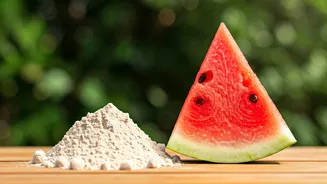
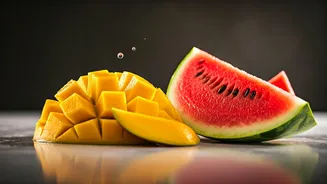
There’s a reason watermelon is synonymous with summer. Composed of about 92% water, it’s one of the most hydrating foods you can eat. A big, juicy slice does more than just quench your thirst; it also replenishes electrolytes like potassium, which are lost through sweat. Its natural sweetness satisfies sugar cravings instantly, but because it’s packed with water and some fibre, it doesn't overload your system. For an extra refreshing treat, try freezing cubes of watermelon and blending them into a simple, healthy slushie. It's a fantastic alternative to sugar-laden sorbets and requires no added sweeteners.
The King of Fruits, Managed Wisely
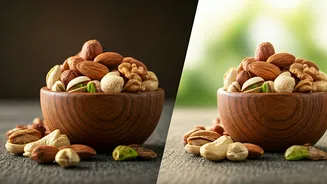
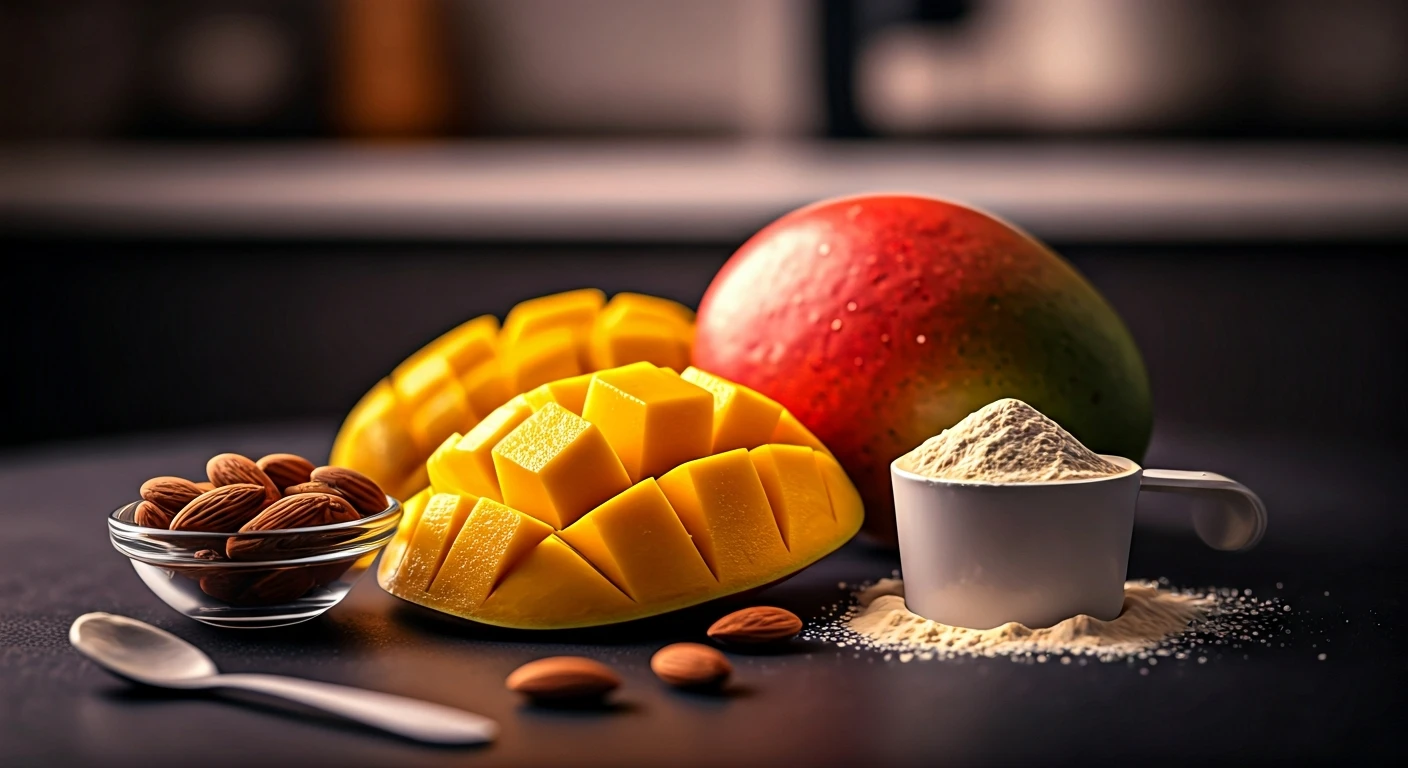
No Indian summer is complete without mangoes. While they are higher in sugar compared to other fruits, they are also a rich source of fibre, Vitamin A, and Vitamin C. The key to enjoying mangoes sensibly is portion control and choosing to eat the fruit whole. When you drink mango juice or shakes, you often consume multiple mangoes' worth of sugar without the beneficial fibre, leading to a rapid blood sugar increase. By eating a slice or two of the whole fruit, you get all the flavour and satisfaction, while the fibre helps moderate the sugar’s impact. Pair it with a handful of nuts to add protein and healthy fats, which will further slow down sugar absorption and increase satiety.
The Low-Calorie Powerhouse: Jamun
Jamun, or black plum, is another summer gem that is perfect for managing cravings. This deep-purple fruit has a unique sweet, sour, and astringent taste that can be incredibly satisfying. More importantly, it is known for its low glycemic index, meaning it causes a slower and smaller rise in blood sugar levels. This makes it an excellent choice for everyone, including those managing their blood sugar. Packed with antioxidants and nutrients, jamuns can be eaten as is, or you can deseed them and add them to a bowl of curd for a refreshing and filling snack that curbs any desire for something overly sweet.
Beyond the Basics: Other Summer Stars
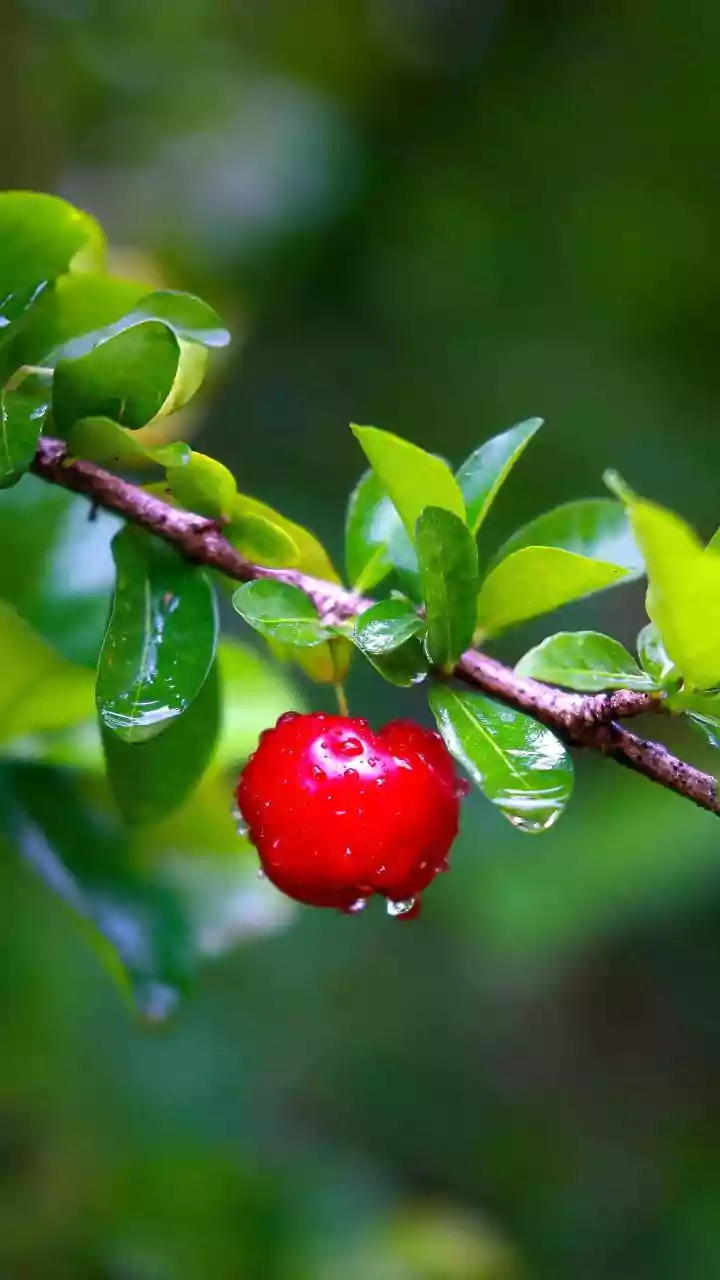
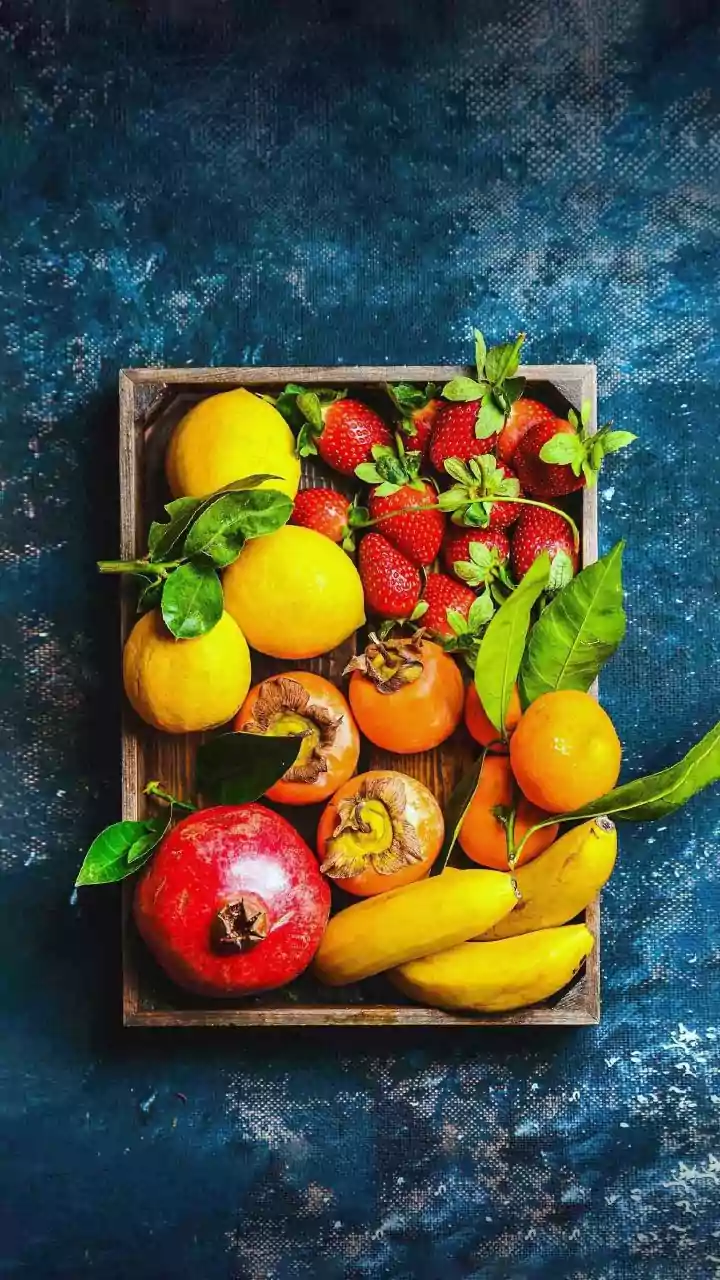
Don't limit yourself. The summer market is brimming with other fantastic options. Muskmelons and cantaloupes are hydrating and rich in vitamins. Lychees, while sweet, provide a good dose of Vitamin C and fibre when eaten in moderation. Peaches and plums are other stone fruits that offer a juicy, satisfying crunch and are full of nutrients. The strategy is simple: keep a fruit bowl filled with a variety of colourful, seasonal options. When a craving hits, reach for one of these first. You’ll be surprised at how effectively they can satisfy your sweet tooth while also nourishing your body and keeping you hydrated.