






Your Gut Is Not Like Theirs
For the longest time, a major blind spot has existed in health research: most of it has been conducted on Western populations. This has created a one-size-fits-all approach to health that often fails to capture the diversity of human biology. This is especially
true for the gut microbiome, the complex community of bacteria, viruses, and fungi living in our digestive tracts. The problem is, the gut profile of a person in Europe or North America, with a diet high in meat and processed foods, is very different from that of someone in India. South Asian populations have been significantly underrepresented in these global studies. New research is finally changing that, revealing that the Indian gut microbiome is unique and shaped profoundly by local factors.
Location, Location, Location
A major recent study, known as the SAMBAR (South Asian MicroBiome ARray) project, has provided a treasure trove of new data. Researchers studied 575 adults from ten different communities across India and Sri Lanka, including both rural and urban dwellers. The findings were clear: where a person lives has a stronger correlation with their gut microbiome composition than even their lifestyle. This means the specific environment, local diet, and cultural habits of a region create a distinct microbial signature. For instance, the study found that despite genetic similarities, urban Indians are losing the microbial diversity that has long characterized traditional gut profiles, which coincides with a rise in metabolic diseases like diabetes and obesity.
The Urban-Rural Divide
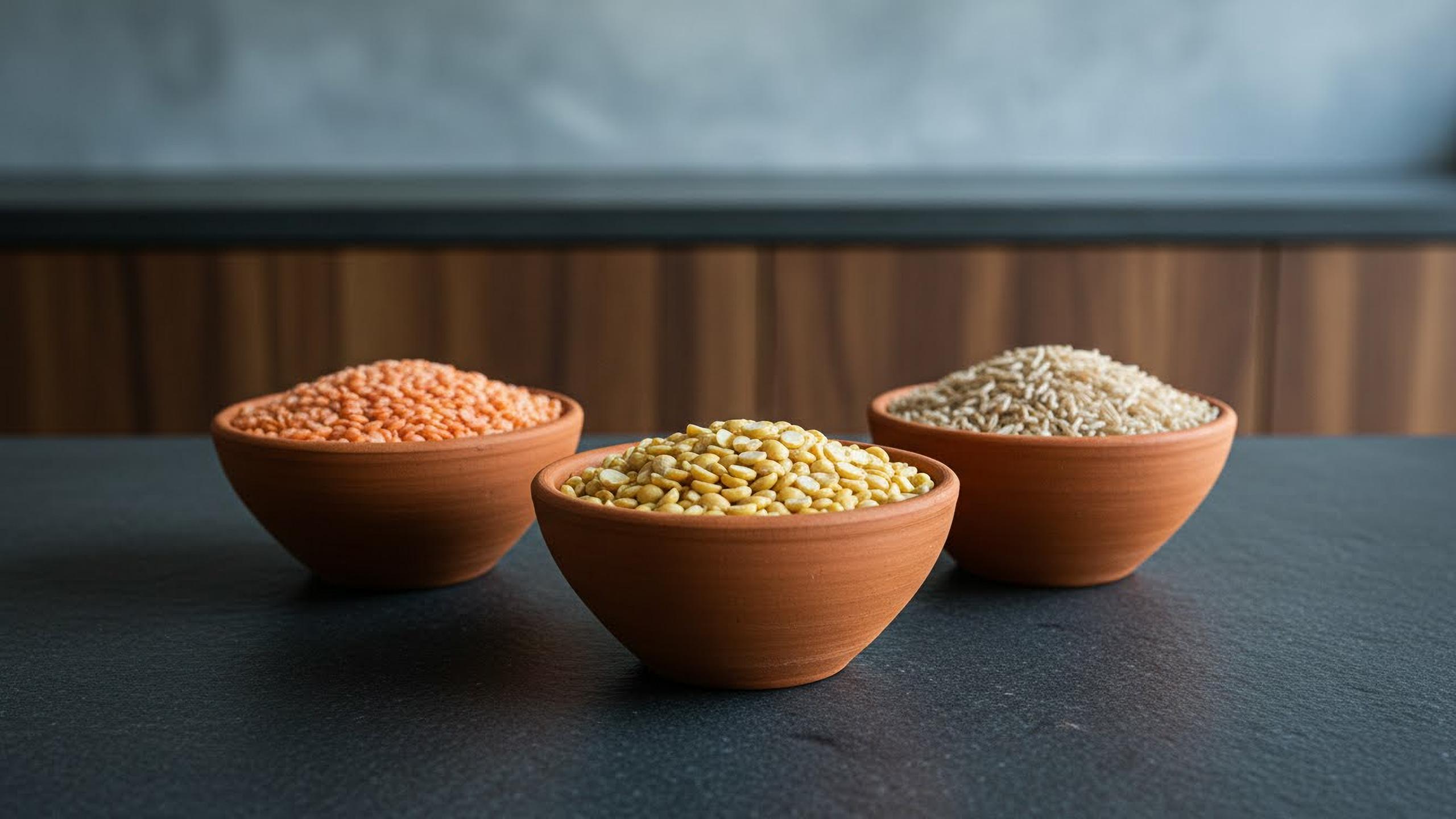
The research highlights a stark contrast between urban and rural gut profiles. In rural communities, where traditional, high-fibre diets are more common, protective bacteria thrive. One such bacterium is Prevotella, which is adept at breaking down the complex carbohydrates found in plant-based diets typical of many parts of India. Conversely, urban populations showed a significant increase in a genus of bacteria called Megamonas. This is significant because Megamonas is globally associated with fat metabolism and linked to health issues like obesity, high blood pressure, and high blood sugar. The shift towards processed, Western-style foods in cities appears to be driving this change, replacing beneficial, fibre-loving bacteria with ones that thrive on fat and sugar.
Diet, Culture, and Your Microbiome
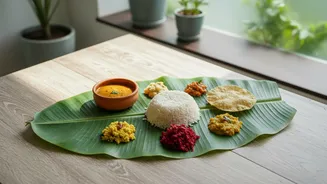
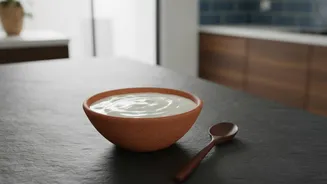
The research didn't just find broad patterns; it identified specific links between diet, culture, and bacteria. In North India, wheat-based diets support different microbes than the rice, fish, and coconut-based diets of the South. The traditional Indian diet, rich in spices like turmeric, fermented foods like curd and dhokla, and high in fibre, has been shown to be exceptionally good for gut health. For example, the SAMBAR study noted that members of the Pochury community in Nagaland, who regularly eat a fermented soybean condiment called axone, had a high abundance of the Bacillus bacteria used to make it. This shows how deeply ingrained cultural food practices shape our inner ecosystem.
Why This Changes Everything
Understanding these regional and lifestyle-driven differences is crucial for public health in India. It tells us that health advice and future medical treatments cannot be imported wholesale from the West. They need to be tailored to the specific microbial realities of South Asian populations. As microbiome-based diagnostics and therapies become more common, having this India-specific data will be essential for creating effective, personalized health strategies. It could lead to dietary recommendations that leverage the power of traditional Indian foods to combat the rise of lifestyle diseases. The era of a one-size-fits-all gut is over; the future is local.