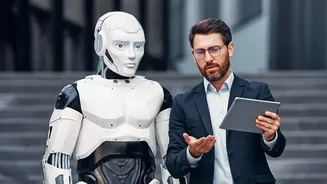

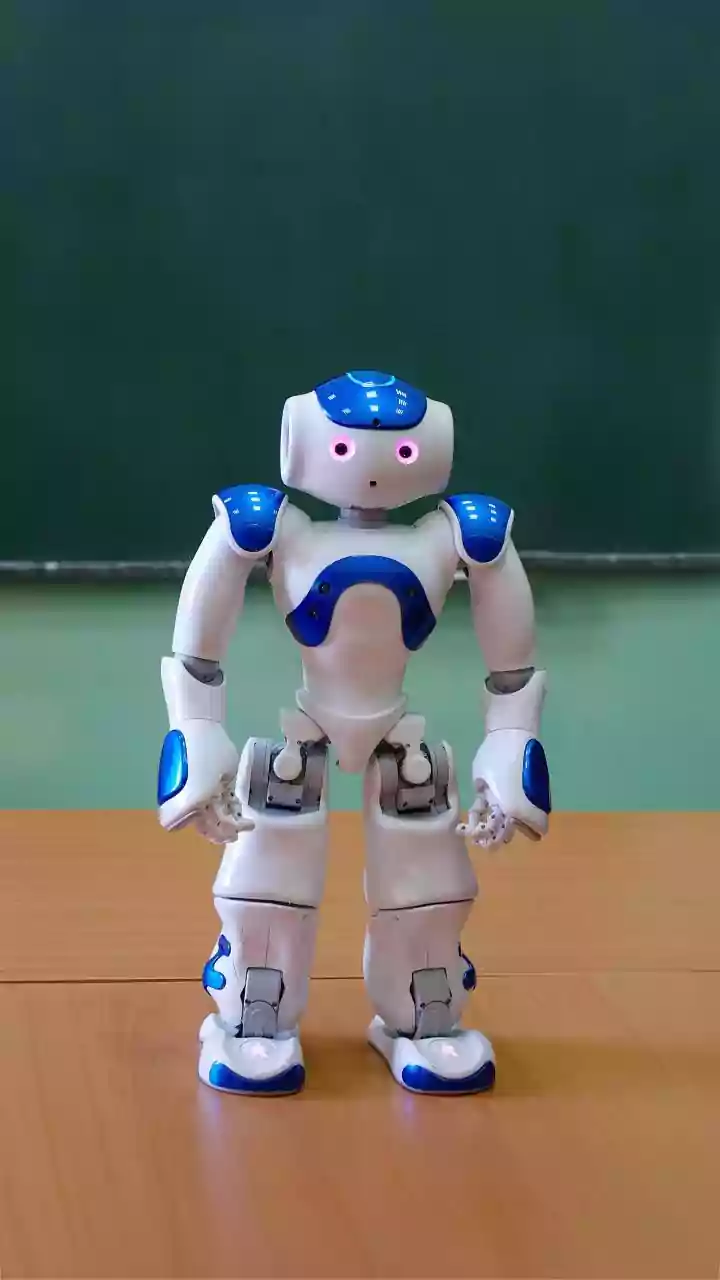
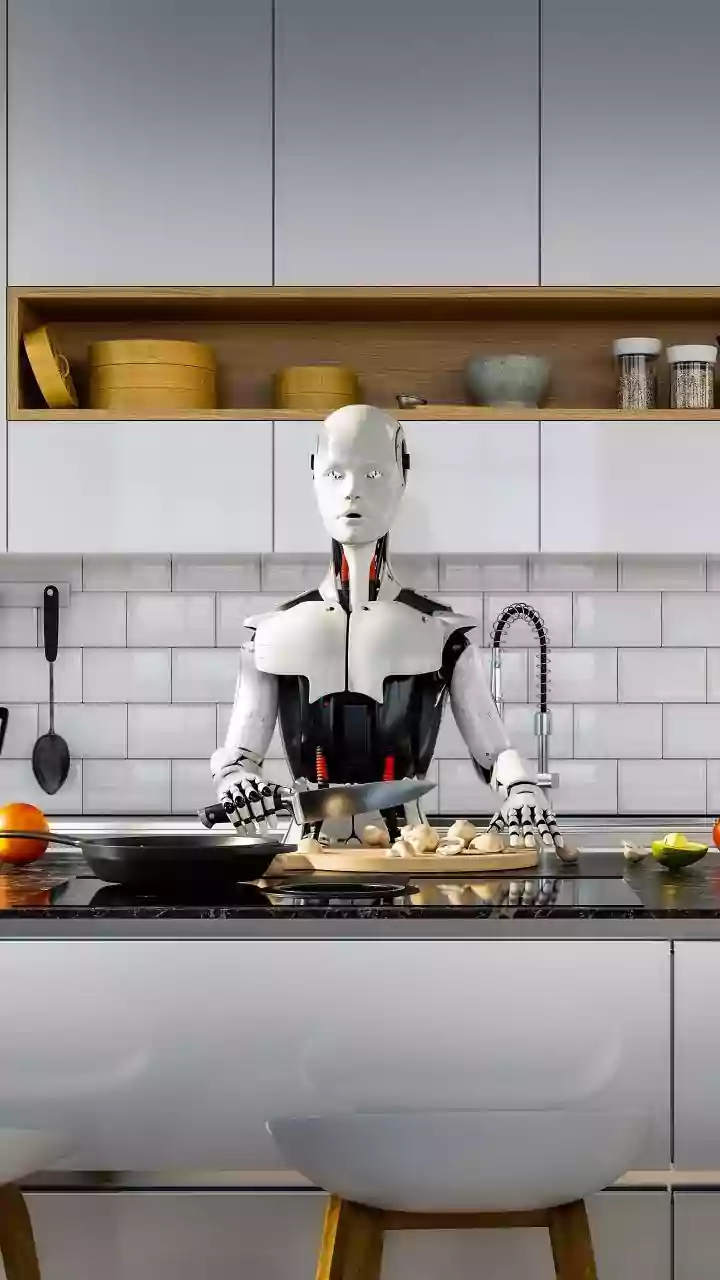


Viral videos show them walking, waving, and even handling delicate objects. Humanoid robots are captivating, but as they step out of the lab and into real-world factories and warehouses, they face a much tougher audience: the company balance sheet.
From Lab Demos to Factory Floors
The
year 2026 is becoming a pivotal moment for humanoid robotics. For the first time, several prominent companies are moving beyond impressive demos and into paid, real-world deployments. Automaker BMW has been a key test site, partnering with Figure AI to use its robots in its Spartanburg, South Carolina plant. An 11-month pilot saw a Figure robot assist in the production of over 30,000 vehicles by loading sheet metal parts. Following that trial, BMW is expanding the partnership to deploy Figure's next-generation robots for logistics tasks. Similarly, Tesla has reportedly deployed over a thousand of its own Optimus robots within its factories, primarily for tasks like sorting battery cells and general parts handling. However, CEO Elon Musk has clarified that a primary goal for these robots is currently data collection to improve their AI, rather than pure production output. Other major players include Agility Robotics, whose Digit robot is being tested by Amazon and GXO Logistics for moving totes in warehouses. In China, companies are also pushing aggressively into real-world trials, with robots being tested in garment factories for complex tasks like handling fabric.
The Billion-Dollar Question of ROI
Despite these promising trials, the central question for any business is whether a humanoid robot provides a return on investment (ROI). Currently, the price tag is steep, with industrial-grade units costing anywhere from $80,000 to over $250,000. While some projections see costs falling dramatically to as low as $37,000 by 2030, the current upfront capital is a major hurdle. Companies must weigh this cost against potential savings in labor, increased productivity, and improved safety. For now, the business case is clearest in regions with high labor costs or significant worker shortages. Yet, even when a robot's hourly operating cost appears competitive with a human worker's wage, the calculation isn't straightforward. True ROI depends on the robot's actual productivity, reliability, and utilization rate. Many early deployments show that robots are not yet as fast or efficient as their human counterparts, which can extend the payback period significantly.
More Than Just Walking and Waving
The hardware is only half the battle. The biggest challenges are often rooted in software, integration, and the messy reality of a factory floor. One of the most significant limitations is battery life; many current humanoids can only operate for 3-5 hours on a single charge, which is not enough to cover a full eight-hour shift without interruption. This necessitates developing 'hot-swapping' battery protocols or staggering deployments to ensure continuous operation. Furthermore, the dexterity required for many tasks, especially handling varied or soft materials, is still a major technical challenge. Integrating these robots into existing factory systems (MES), ensuring they can navigate cluttered and changing environments without drifting, and guaranteeing network stability for safe operation are all complex engineering problems that companies are actively working to solve.
Are Humanoids the Right Solution?
The excitement around humanoids often overlooks a key question: are they always the best tool for the job? For decades, factories have used specialized, single-task robots—like robotic arms on an assembly line—with immense success. These traditional robots are highly efficient and reliable for fixed, repetitive tasks. The main argument for humanoids is their flexibility; because they are designed for human-centric environments, they can theoretically perform a variety of tasks without needing expensive facility retrofits. This makes them appealing for jobs that require mobility and adaptability. However, as long as their performance on specific tasks lags behind specialized automation, their 'general purpose' nature remains more of a promise than a proven asset. The industry is currently in a phase of figuring out which specific applications truly benefit from a two-legged, two-armed form factor versus a simpler, more established robotic solution.