




A Symphony of Nine Colours
One of the most cherished traditions of Sharad Navratri is dressing according to a specific colour each day. This practice adds a visual rhythm to the festivities, creating a collective sense of celebration. For 2026, Sharad Navratri begins on October
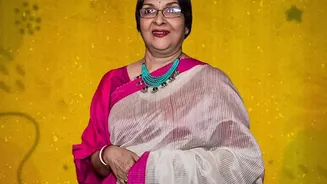
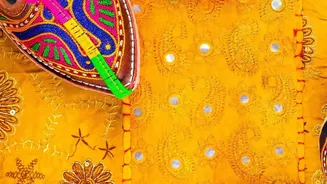
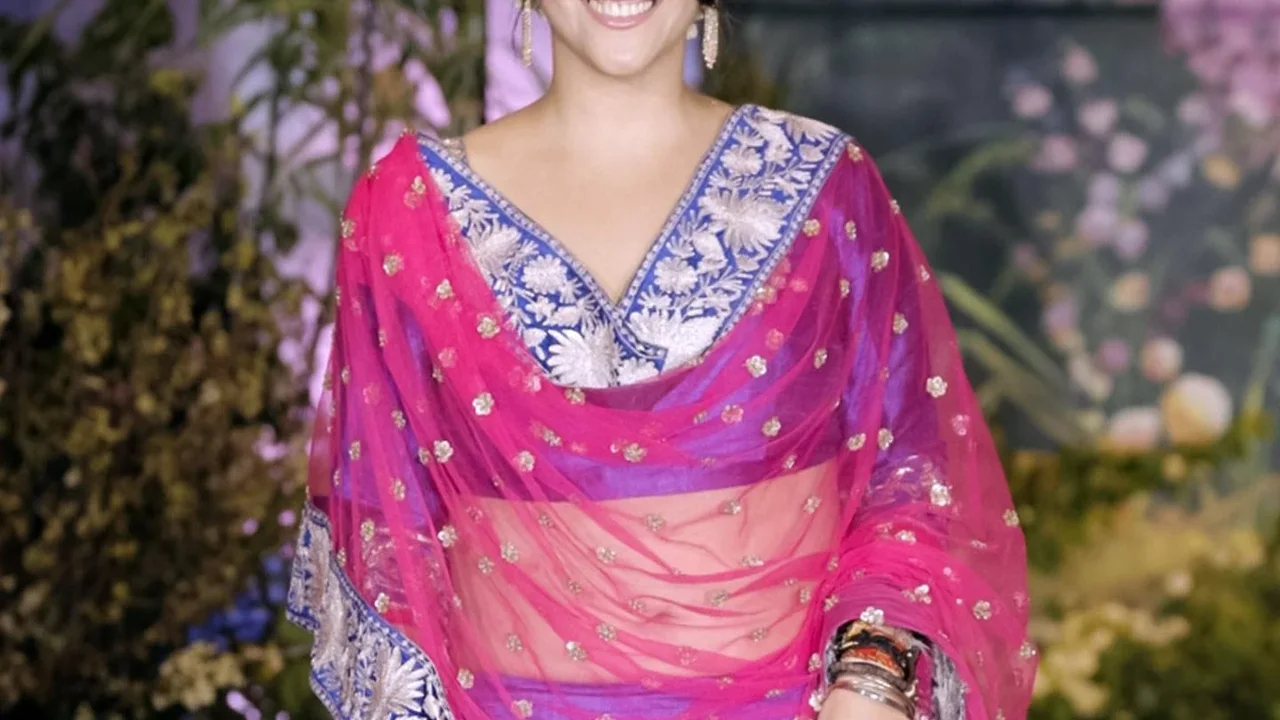
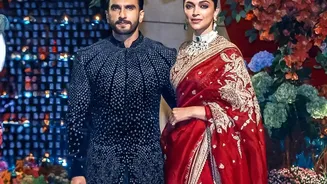
11, and the colour sequence is tied to the day of the week the festival starts. This year’s calendar is Orange, White, Red, Royal Blue, Yellow, Green, Grey, Purple, and finally, Peacock Green. Each hue carries significance: orange for warmth and energy, white for purity, red for passion and strength, and royal blue for tranquility. As the days progress, yellow brings cheer, green evokes growth, grey signifies balance, purple adds a touch of nobility, and peacock green represents individuality and freshness. Embracing these colours in your attire is a simple yet powerful way to connect with the festival's daily spirit.
Feasting and Fasting: The Flavours of Navratri
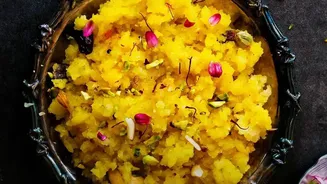
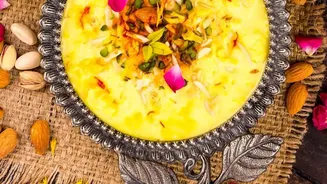
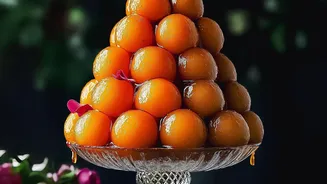
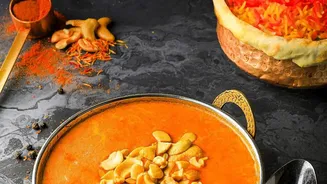
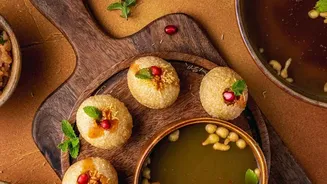
Food is central to any Indian festival, and Navratri is no exception, offering a diverse culinary landscape of both fasting (vrat) and feasting dishes. For those observing the fast, a specific pantry of ingredients is used. Grains like buckwheat flour (kuttu ka atta), water chestnut flour (singhare ka atta), and barnyard millet (samak ke chawal) replace regular wheat and rice. These are used to create delicious preparations like Kuttu ki Puri, Sabudana Khichdi, and Vratwale Chawal Ka Dhokla. Rock salt (sendha namak) is used instead of regular table salt. Vegetables such as potatoes, sweet potatoes, pumpkin, and raw bananas are popular choices. For those not fasting, the period is still marked by special vegetarian meals, often prepared without onion and garlic. Sweets are a must, with delicacies like Makhana Kheer, fruit chaat, and coconut laddoos enjoyed by all.
Creating a Festive Haven at Home
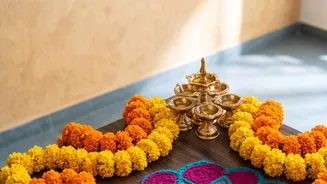
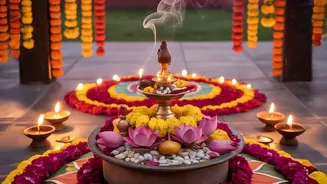
Decorating the home is a key part of welcoming the divine energy of the goddess. The entrance is often the starting point, adorned with floral torans (especially marigolds), intricate rangolis, and the warm glow of diyas or fairy lights. Inside, the pooja room or mandir becomes the heart of the decorations. Many homes use vibrant fabric backdrops, brass lamps, and decorative puja thalis to create a sacred atmosphere. In South India, a beautiful tradition is the 'Golu' or 'Kolu' display, where dolls representing gods, goddesses, and scenes from daily life are arranged on a tiered platform. A modern approach to decor can include colour-themed decorations that change daily to match the Navratri colour, using cushion covers, table runners, and floral arrangements to reflect the day's hue. Eco-friendly options like clay diyas and handmade decorations are also gaining popularity.
Embracing the Spirit with Short Getaways
Increasingly, families are using the festive break to travel and experience Navratri's diverse celebrations across the country. The destination you choose defines the experience. For the quintessential Garba and Dandiya Raas, Ahmedabad and Vadodara in Gujarat are unparalleled, with entire communities coming alive with music and dance. If you're drawn to the artistic and cultural grandeur of Durga Puja, Kolkata is the place to be, with its magnificent pandals and immersive festivities. For a more royal and historical celebration, the Mysuru Dasara in Karnataka offers a spectacular procession and a palace illuminated with thousands of bulbs. In North India, cities like Delhi and Varanasi are famous for their vibrant Ramlila performances, which narrate the story of Lord Rama's victory over Ravana. These short trips offer a unique way to celebrate, blending devotion with the joy of discovery.