

From Pacific Warmth to Public Health
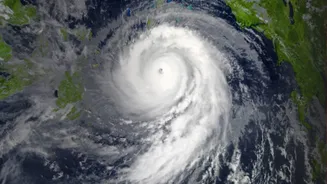
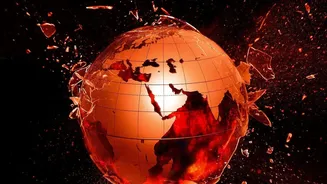
El Niño is a naturally occurring climate phenomenon marked by unusually warm sea surface temperatures in the central and eastern Pacific Ocean. This massive release of heat into the atmosphere disrupts global weather patterns, and for India, its effects
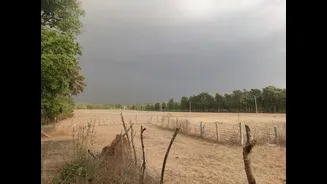
can be profound. Historically, strong El Niño events are associated with a weaker southwest monsoon, which provides about 70% of India's annual rainfall. This can lead to below-normal rainfall, higher temperatures, and prolonged dry spells. The World Health Organization (WHO) and other agencies have flagged India as a country facing high health risks from the developing 2026 El Niño, which is predicted to be one of the strongest on record. This isn't just about bad weather; it's about how that weather acts as a risk multiplier for a cascade of health crises.
The Double Threat of Heat and Disease
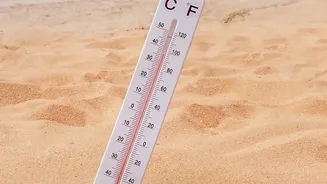
One of the most immediate challenges is extreme heat. El Niño years often bring more intense and frequent heatwaves, posing a direct threat of heat exhaustion and life-threatening heatstroke, especially for the elderly, children, and outdoor workers. Studies have warned that the current 'super' El Niño could cause thousands of additional deaths in India from extreme hot days. Simultaneously, erratic rainfall patterns create ideal breeding conditions for mosquitoes. Altered temperatures and humidity can accelerate mosquito breeding cycles, intensifying the transmission of vector-borne diseases like dengue, malaria, and chikungunya. Health departments are already ramping up surveillance, as even a delayed or inconsistent monsoon can leave pockets of stagnant water where these vectors thrive.
Water Scarcity and Contamination
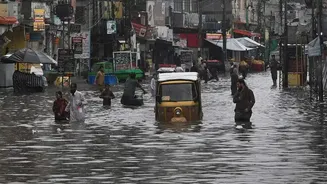
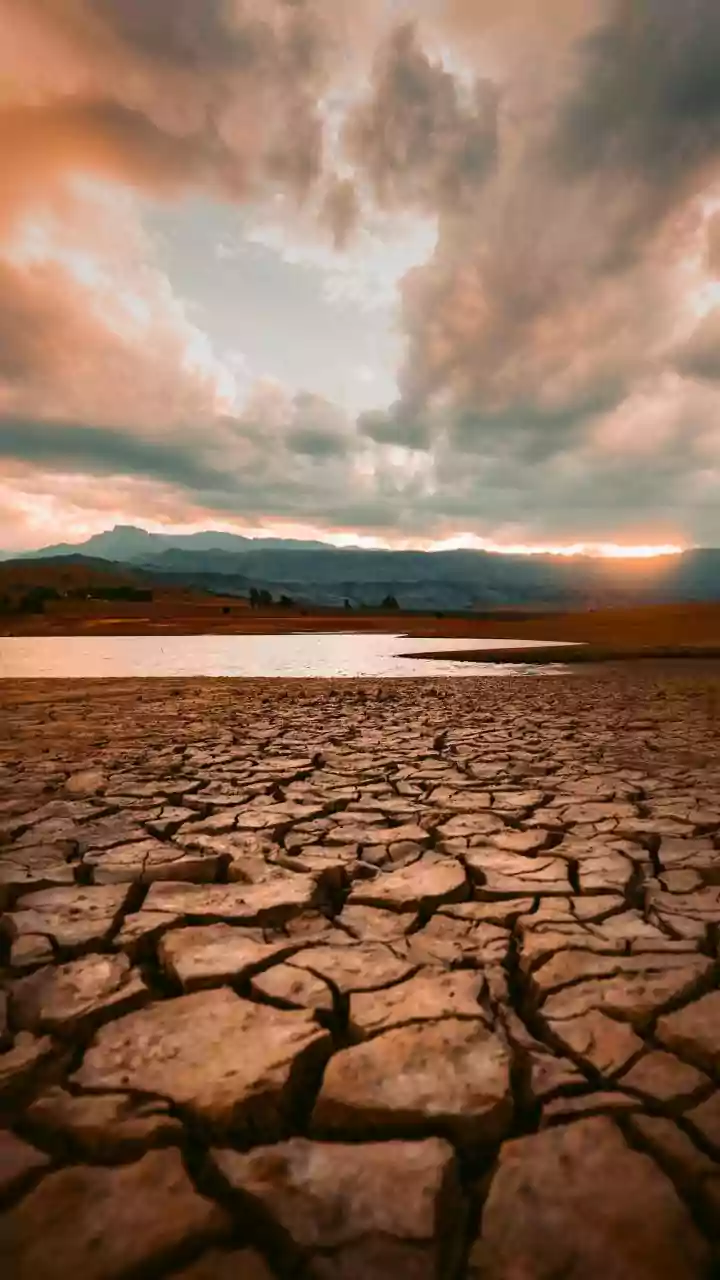
A weak monsoon has severe consequences for water availability. With nearly 600 million Indians already living in areas with high water stress, a deficit in rainfall tightens supplies for drinking, sanitation, and agriculture. This scarcity can force communities to rely on unsafe water sources, increasing the risk of water-borne diseases like cholera, typhoid, and other diarrhoeal infections. Paradoxically, even in a drought-prone El Niño year, short bursts of intense rainfall can occur, leading to flash floods. These floods can contaminate drinking water sources and cause outbreaks of diseases like leptospirosis, adding another layer of complexity for public health officials.
Strained Health Infrastructure
These converging threats place immense pressure on an already stretched healthcare system. Primary Health Centres (PHCs), the first point of contact for most people, must be prepared to handle an influx of patients with heat-related illnesses, infectious diseases, and complications from chronic conditions like diabetes and hypertension, which are exacerbated by heat. The challenge is that these crises may not be seasonal but could persist year-round. Health agencies are being urged to prepare by ensuring facilities are stocked with essential medicines, IV fluids, and ORS, and by strengthening disease surveillance systems to detect outbreaks early. The Union Health Ministry has issued advisories for states to enhance preparedness, review district-level risk assessments, and ensure that rapid response teams are ready.
Food Security and Nutrition at Risk
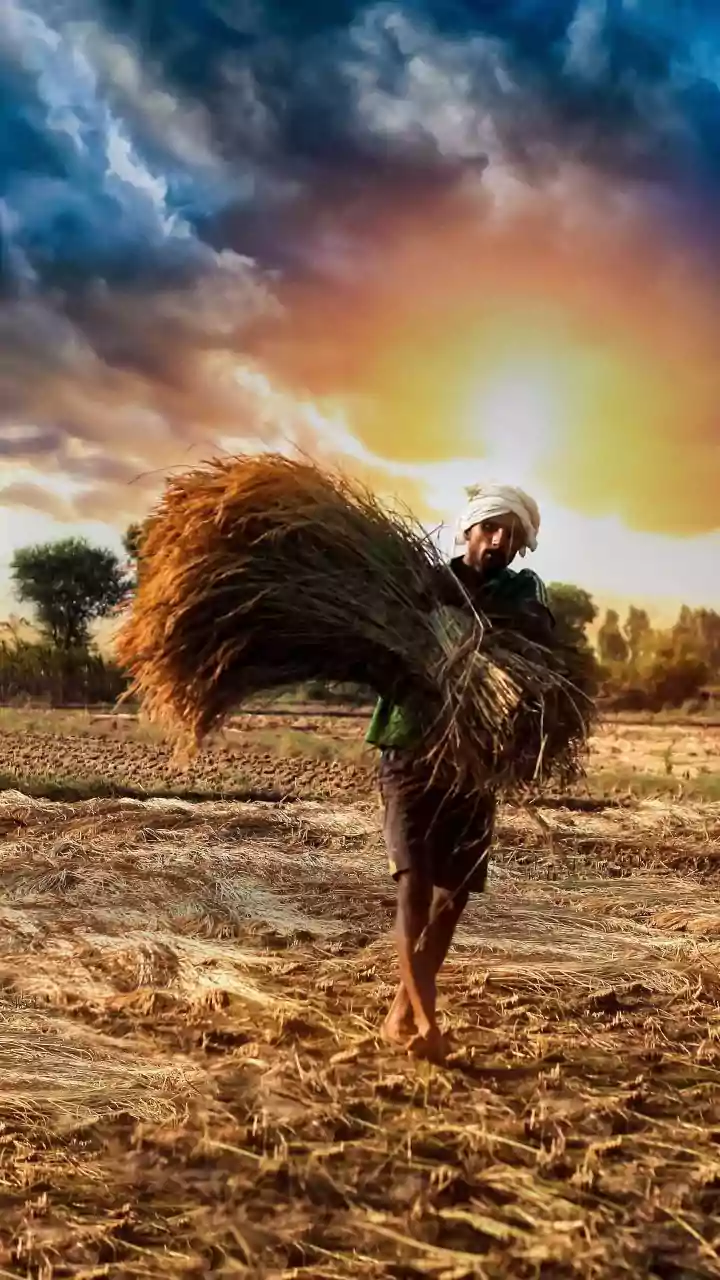
The impact of a poor monsoon extends directly to the dinner table. Disrupted agricultural cycles can lead to lower crop yields, food shortages, and rising food prices, threatening nutritional security. This is particularly dangerous for vulnerable populations, as malnutrition weakens the immune system and worsens outcomes for both infectious and chronic diseases. The mental health toll of these events—from displacement, loss of livelihood, and general anxiety—is another significant, often overlooked, health impact. This complex web of challenges requires a coordinated response that goes beyond the health sector, involving disaster management, agriculture, and water resource authorities.