
When to Go and What to Pack
Timing is crucial for a pleasant cycling trip in Malta. The intense heat of July and August can be challenging, making spring (March to May) and autumn (September to November) the ideal seasons. During these months, temperatures are mild, and the countryside
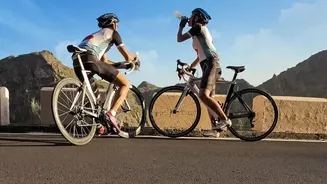
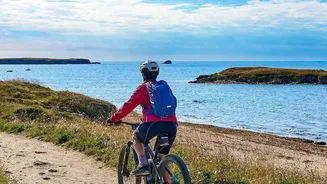
is often lush and green. For packing, lightweight clothing is a must. High-visibility gear will help you stand out to drivers, and a helmet is strongly recommended for safety, though not legally mandatory for adults. Even in cooler months, the sun can be strong, so bring water, a hat, and sunscreen. A light jacket is also wise for cooler evenings or unexpected windy days.
Renting the Right Bike
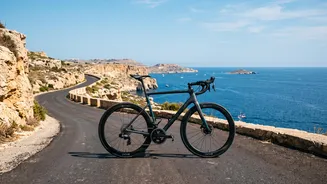
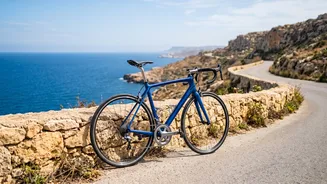
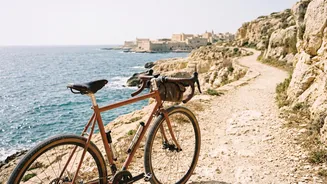
Malta is hilly, a fact that might surprise those expecting a flat island archipelago. For this reason, consider renting an e-bike, which can make the island’s many inclines much more manageable and enjoyable. Rental shops are common in tourist hubs like Sliema, St. Julian's, and Buġibba, as well as in Victoria on Gozo. Daily rental for a standard bike typically ranges from €10–€20, while e-bikes are more in the range of €25–€45. Before setting off, always inspect your rental for any damage and ensure it’s in good working condition. Some shops also offer quality road bikes for more serious cyclists.
Navigating Malta’s Roads Safely
Cycling in Malta requires confidence, as you'll be sharing the road with cars. Remember to ride on the left-hand side, as is the rule for all traffic. While dedicated cycle lanes are becoming more common, especially around Sliema, you will often find yourself on roads without them. To stay safe, make yourself predictable. Use hand signals, avoid sudden movements, and try to make eye contact with drivers. It's also advised to keep a safe distance from parked cars to avoid opening doors and to stay fully aware of your surroundings by not wearing headphones.
Coastal Route: Marsaskala to Marsaxlokk
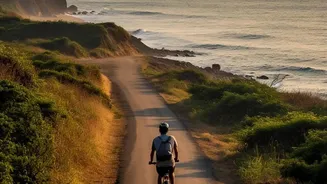
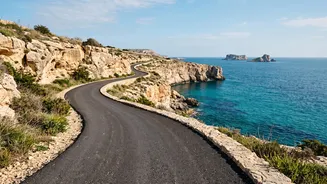
For a classic taste of Malta's southern coastline, the route from Marsaskala to the fishing village of Marsaxlokk is a fantastic choice. This relatively short and gentle ride of about 8 kilometres is perfect for a leisurely morning. You'll pedal past coastal scenery, eventually arriving in Marsaxlokk Bay, famous for its colourful traditional 'luzzu' boats. The route offers a wonderful blend of sea views and cultural immersion, culminating in a village known for its vibrant market and excellent seafood restaurants, providing a perfect reward at the end of your ride.
Coastal Route: The Dingli Cliffs
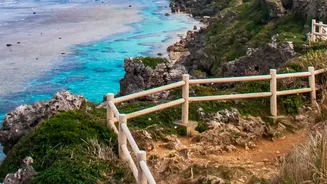
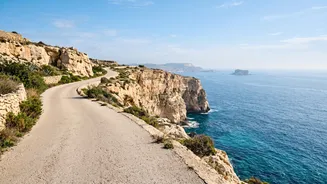
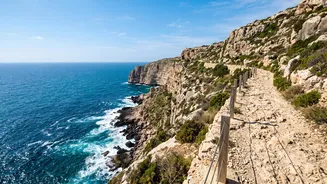
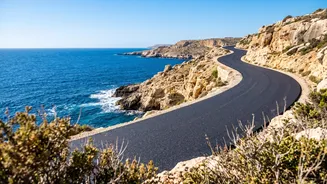
For more dramatic scenery, a route incorporating the Dingli Cliffs is a must. Starting from the medieval walled city of Mdina, a 10-kilometre trail leads you through rural landscapes to Malta's highest point. The panoramic views from atop the cliffs, which plummet over 250 metres to the sea, are breathtaking. This area offers a sense of tranquillity away from the busier towns. While the main roads are paved, be cautious if tempted by cliff-top paths, as these are often rough and better suited for walking. This route provides a mix of history, starting in the 'Silent City', and stunning natural beauty.
An Excursion to Gozo's Coastline
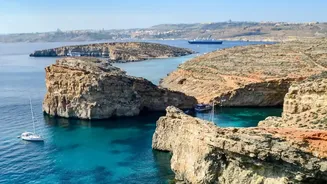
Many cyclists find Malta's sister island, Gozo, to be a cycling paradise. With quieter roads and a more rural character, it offers a more relaxed experience. A popular option is a full coastal loop, which can be around 45-60 km. A route starting from the Mġarr harbour can take you up towards villages like Qala and Nadur, then along the coast past the famous red sands of Ramla Bay, the historic salt pans near Xwejni Bay, and the dramatic cliffs at Dwejra. The terrain is varied, with some challenging hills, but the stunning scenery and peaceful atmosphere make it a highlight for any cycling enthusiast visiting the Maltese islands.