






From Guidebooks to Visual Storytelling
The way Indians plan travel has undergone a seismic shift from a research-heavy task to a visually-driven experience. Where travel agents and blogs once dominated, video has emerged as the primary source of inspiration. According to a recent report by
Google and Kantar, a staggering 68% of Indian travelers now use YouTube for trip inspiration. This move to video is not just about pretty visuals; it's about context and emotion. A well-shot vlog can convey the atmosphere of a bustling market, the serenity of a remote landscape, or the taste of a local dish in a way that text and static photos cannot. This immersive quality makes potential destinations feel more tangible and accessible, lowering the perceived risk of visiting a new place. Travel is no longer just about the destination but the entire narrative of the journey, and video is the most effective medium for telling that story.
The Rise of the Relatable Creator
A key driver of this trend is the ascendancy of the Indian travel creator. Unlike polished brand advertisements, creators offer a layer of authenticity and trust that resonates deeply with viewers. Reports indicate that 59% of travelers trust creators when planning their trips. These creators, many of whom produce content in regional languages, break down barriers by providing practical information on budgets, itineraries, and local customs. They make travel 'feel doable' for a wide audience, from solo backpackers to families looking for a comfortable holiday. The growth in creators from non-metro cities further democratizes travel inspiration, showcasing hidden gems and fostering a sense of community around shared experiences. This peer-to-peer style of recommendation has become more influential than traditional marketing, especially for younger demographics like Gen Z and millennials.
Shorts and Spontaneous Inspiration
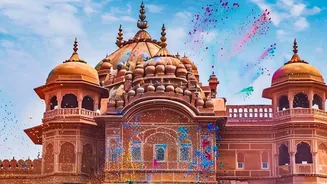
While long-form vlogs are excellent for detailed planning, the emergence of YouTube Shorts has supercharged the discovery phase. These short, snackable videos, often set to trending audio, are perfectly suited for today's mobile-first audience with shorter attention spans. According to Google's findings, two in five Indian travelers now use YouTube Shorts for quick ideas and inspiration. A 60-second clip of a pristine beach in the Andamans or a vibrant festival in Rajasthan can plant a travel seed that might not have existed otherwise. This format fuels spontaneous travel planning and exposes viewers to destinations they weren't actively searching for. For travel brands, this has proven to be a powerful tool; combining long-form content with Shorts has been shown to significantly increase branded searches and lower customer acquisition costs.
Economic Ripples and Unlocking New Destinations
The impact of this video-led discovery goes beyond individual travel plans; it has tangible economic consequences. Influencers and creators are increasingly driving tourism to lesser-known regions, boosting local economies that were previously off the mainstream tourist map. As a creator's video about a remote village or a unique local homestay goes viral, it can lead to a direct increase in footfall and revenue for those communities. This phenomenon is contributing to the rise of community-led tourism, where locals have a greater stake in the tourism value chain. With domestic travel in India surging and travelers showing a willingness to spend more on unique experiences, the role of YouTube and Shorts as a catalyst for local economic development is becoming increasingly significant.