


Beyond the Classic Peanut
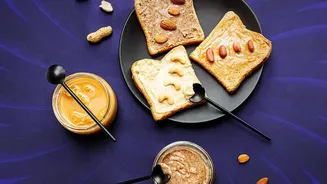
For years, the world of spreads in India was a relatively simple affair. Mass-produced peanut butter, often loaded with sugar and hydrogenated oils, sat alongside fruit jams and the occasional chocolate spread. But a delicious revolution is underway.
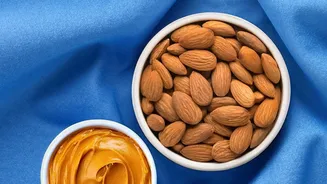
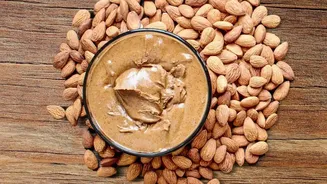
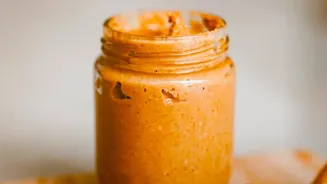
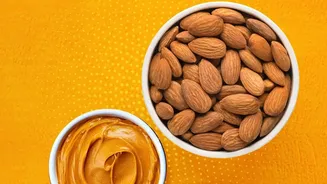
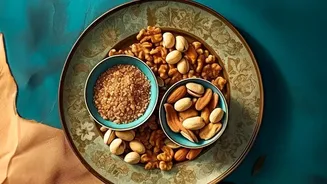
Today’s discerning consumer is looking for more: more flavour, better nutrition, and cleaner ingredients. This has paved the way for a wave of small-batch producers who are transforming everything from almonds and cashews to pumpkin and sunflower seeds into creamy, dreamy butters. These aren't just nut butters; they are complex, gourmet creations, often featuring a single origin nut or a blend of seeds, slow-roasted and ground to perfection. Many are proudly free of palm oil, preservatives, and refined sugar.
The Flavourful and Healthy Appeal
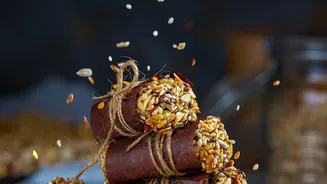
What’s driving this shift? Two major forces are at play: a growing consciousness around health and a desire for novel culinary experiences. Urban Indians are increasingly reading labels and rejecting products with artificial additives. Artisanal butters fit perfectly into this wellness-oriented lifestyle. They are packed with protein, healthy monounsaturated fats, and essential micronutrients like magnesium and vitamin E. Seed butters, in particular, are gaining traction as powerhouses of nutrition. Sunflower seed butter is rich in vitamin E and selenium, while pumpkin seed butter offers a hefty dose of zinc, iron and protein. But health is only half the story. The real excitement lies in the flavours. Brands are infusing these butters with uniquely Indian twists, creating products that resonate with the local palate. Imagine a peanut butter spiced with Byadagi chilli, an almond butter with Lakadong turmeric, or a cashew-coconut butter scented with saffron and cardamom. Other creative combinations include Thandai-flavoured nut butter, peri-peri cashew butter, and even espresso-infused almond butter.
Rise of the Local Artisan
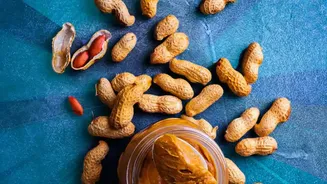
This trend is being championed by a host of homegrown entrepreneurs who are passionate about quality ingredients and authentic processes. Many of these brands, like Native Tongue, The Huda Bar, and Banter Kitchen, started small, often born from a personal quest for healthier food options. They focus on sourcing high-quality Indian ingredients, such as Gurbandi almonds or Kathiawadi peanuts, and making their products in small, controlled batches to ensure freshness and flavour. This model stands in stark contrast to the industrial production of mainstream brands. By sharing their story and being transparent about their sourcing and methods, these artisanal creators are building a loyal following of consumers who are happy to pay a premium for a product they can trust.
More Than Just a Toast Topper
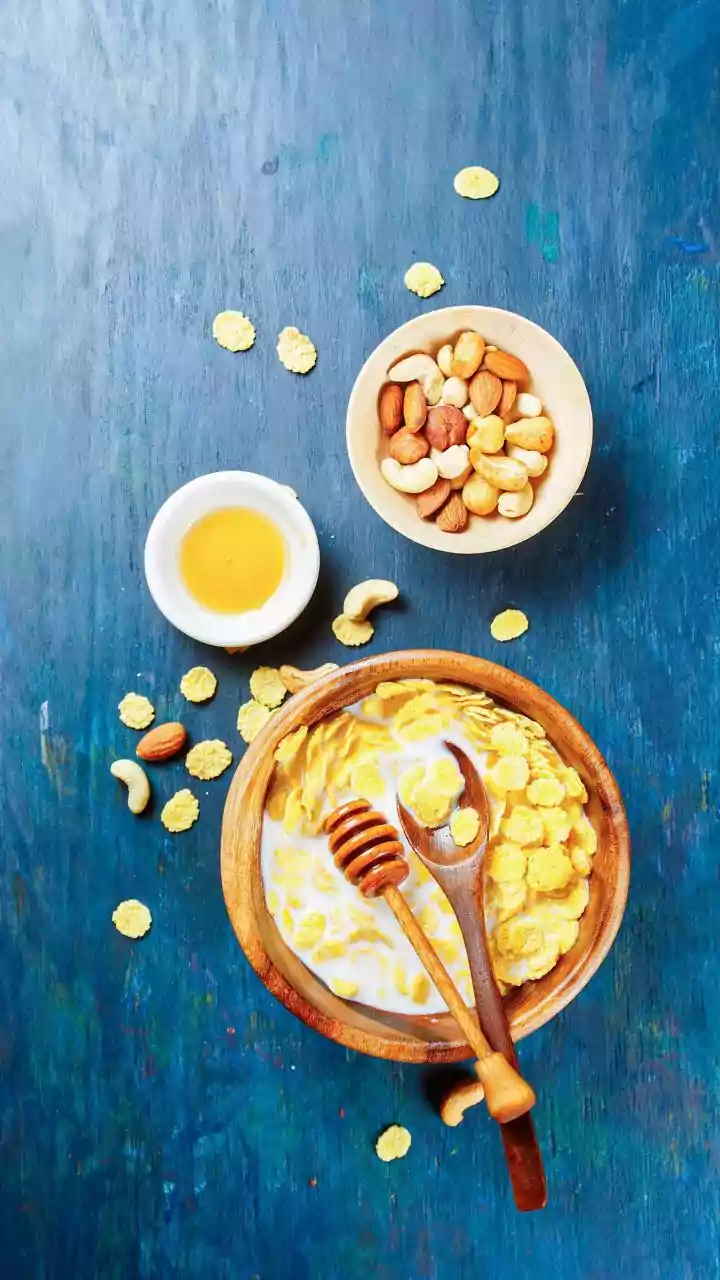
While spreading them on a warm slice of sourdough is a classic, the versatility of these new-age butters is part of their growing appeal. Their use extends far beyond the breakfast table. Savoury, spiced butters can be used to create rich, creamy sauces for stir-fries, marinades for grilled meats and vegetables, or flavourful dressings for salads. A spoonful of almond or cashew butter can add depth and creaminess to soups and curries. On the sweeter side, they can be blended into smoothies for a protein boost, swirled into oatmeal or yogurt, used as a dip for fruit slices, or incorporated into baking recipes for cookies and energy bites. A Thandai-flavoured nut butter could be used to make a festive dessert, while a spicy peri-peri cashew butter makes an excellent dip for chips and crackers.