
The Landscape as a Gallery
Imagine driving through the Himalayas, where the stark beauty of the mountains is suddenly punctuated by vibrant, large-scale artworks. This is the reality of a new initiative transforming the region, most notably through the sā Ladakh Biennale. Running
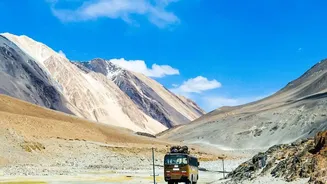
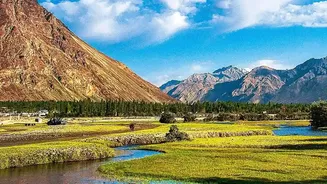
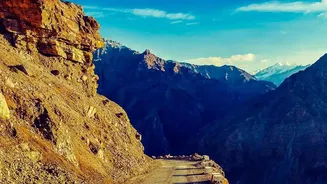
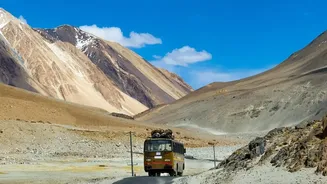
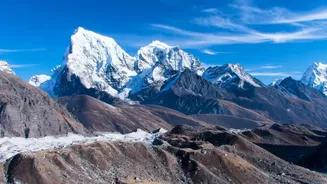
from August 1 to 10, 2026, this event has turned a more than 200-kilometre stretch along the Leh-Kargil highway into a sprawling art trail. Instead of confining art to museum walls, this project uses the dramatic landscape as its canvas, creating a dynamic conversation between human creativity and the natural environment. The artworks are not in one central location but are spread across eight significant sites, encouraging a slower, more immersive form of travel.
Art with a Regenerative Soul
This is more than just an outdoor exhibition; it’s billed as the world's highest regenerative art biennale. The term 'regenerative' is key. Artists, both from Ladakh and around the world, are creating works that do more than just sustain the environment—they aim to actively engage with and improve it. The installations are crafted using locally sourced, biodegradable, and recycled materials. This approach reflects a deep respect for Ladakh's fragile ecosystem and a commitment to sparking dialogue around sustainability and climate consciousness. The initiative, founded in 2023, evolved from a land-art program focused on connecting artistic practice with ecological thinking. The name 'sā' itself is the Ladakhi word for soil, signifying a grounded, community-focused philosophy.
A Journey Through Culture and Creativity
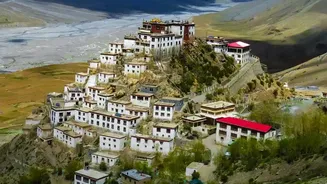
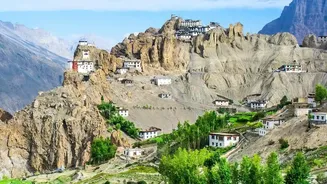
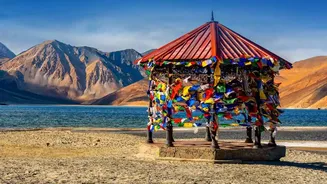
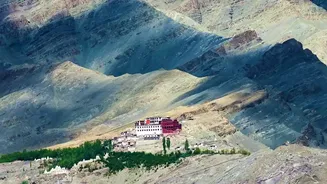
The art trail guides travelers through eight key locations: Leh, Kargil, Lamayuru, Basgo, Likir, Nurla, Mulbekh, and Hunderman. This route intentionally traces culturally and historically significant destinations, weaving past ancient monasteries and remote villages. The artworks themselves are deeply rooted in place, exploring themes of ecology, memory, and indigenous knowledge under the 2026 theme, “Signals from Another Star”. For instance, one project in Hunderman involves local women artisans creating a collaborative textile installation that speaks to community memory and repair. Another artist uses a flag installation in Lamayuru to reflect on disappearing snow. This ensures the art isn't just placed in the landscape, but emerges from it.
Redefining the Ladakh Experience
For decades, tourism in Ladakh has revolved around its stunning scenery, adventure sports, and ancient monasteries. This art trail introduces a powerful new dimension to that experience. It encourages visitors to move beyond a checklist of famous sights and engage more deeply with the region's contemporary culture and environmental challenges. The journey between installations becomes as important as the artworks themselves, turning the drive into a pilgrimage of sorts where travelers must slow down, acclimatise, and let the landscape shift their perspective. By featuring works from both international and Ladakhi artists, the biennale also provides a global platform for local talent while fostering a rich cultural exchange.