




An Optimistic Economic Outlook
The primary driver behind this festive buoyancy is a strong sense of economic optimism. Recent data from the Ministry of Statistics and Program Implementation shows India’s GDP growing at a healthy 7.8% in the first quarter of the 2026-27 fiscal year.
This broad economic stability, coupled with manageable inflation, gives households more confidence and disposable income to spend. A recent study by Hansa Research found that an overwhelming 95% of Indian consumers plan to increase their festive spending this year, with two-thirds expecting to raise their budgets by 25% or more. This positive sentiment is the fuel for a more expansive approach to shopping, moving beyond just essentials to embrace a wider range of discretionary purchases.
The Shift from Single Splurge to Multiple Rewards
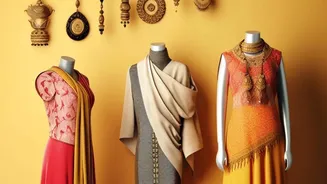
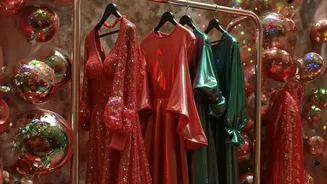
In the past, festive spending often revolved around one major acquisition, such as gold jewellery or a significant home appliance. While these categories remain important, the modern consumer’s approach has evolved. The trend is now towards spreading the festive cheer across several smaller, yet meaningful, purchases. This shift reflects a change in consumer psychology, where personal gratification and lifestyle upgrades are taking precedence. Instead of one big purchase, families are now allocating funds to refresh their wardrobe, upgrade home décor, buy new gadgets, and explore wellness products simultaneously. Reports indicate that fashion and apparel will lead the shopping lists, followed closely by home décor, furniture, and electronics, highlighting a broad-based consumption pattern.
Digital Discovery and E-commerce
The explosion of digital platforms has fundamentally reshaped the consumer journey, making it easier than ever to discover and purchase from a vast range of categories. E-commerce giants, social media, and quick commerce apps have become primary channels for product discovery and shopping. A significant 63% of shoppers are expected to incorporate online platforms into their festive purchasing this year. This digital ecosystem allows consumers to seamlessly browse electronics, fashion, and even gourmet foods in a single session. Furthermore, the rise of flexible payment options like 'Buy Now, Pay Later' (BNPL) empowers consumers to manage their budgets while indulging in multiple categories, reducing the financial friction that once limited them to a single large purchase.
Spotlight on Key Growth Categories
This year, the spending is not just broad, but also deep, with several categories poised for significant growth. According to the Hansa Research report, fashion leads the way, with 69% of consumers planning purchases in this area. Home décor and furniture follow at 51%, with electronics and gadgets close behind at 50%. But the diversification doesn't stop there. An increasing portion of the festive wallet is being allocated to experiences over products. This includes travel, dining out, and entertainment. Even niche segments like premium baby care and pet products are seeing a surge as consumers look to upgrade every aspect of their lifestyle. This indicates a maturing market where spending reflects a desire for holistic well-being and personal expression.
The New Indian Consumer
Underlying this trend is the emergence of a more evolved Indian consumer, especially from Tier-2 and Tier-3 cities, who now account for a majority of festive shoppers. This consumer is digitally savvy, well-informed, and aspirational. They are moving from unbranded goods to branded ones and are increasingly willing to pay a premium for quality and experience rather than just price. Moreover, there's a growing consciousness around choices. A remarkable 85% of consumers report making eco-friendly choices, preferring local or handmade products and sustainable packaging. This blend of optimism, digital fluency, and conscious consumption is what defines the 2026 festive shopper, creating a vibrant and diversified marketplace.