



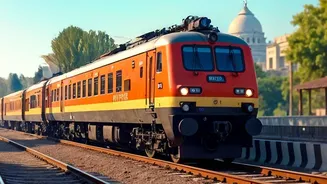

New Special Trains and Schedule Changes
To manage the passenger rush, Southern Railway has announced several changes for August 2026. This includes the introduction of special trains and significant operational adjustments due to the ongoing redevelopment of Chennai Egmore Railway Station.
From August 5th to August 20th, several key express trains will be short-terminated or will originate from alternate stations like Tambaram and Mambalam. For example, the Thanjavur-Chennai Egmore Uzhavan Express will temporarily terminate at Tambaram. These adjustments are crucial for passengers to note while planning their travel to and from Chennai. Additionally, special weekly services have been announced on other routes, such as the Ahmedabad-Tiruchchirappalli special, which will be diverted via a different route, skipping major stops like Chennai Egmore and Tambaram. Travellers are advised to check the latest schedules on the IRCTC website or the NTES app before their journey.
Why Booking Is So Competitive
August often sees a surge in travel due to festivals, holidays, and the end of academic breaks. This leads to a massive rush for train tickets, with popular routes getting sold out within minutes of bookings opening. Special trains, while providing additional capacity, also face immense demand. Many passengers find themselves on a waitlist, anxiously tracking their PNR status and hoping for a last-minute confirmation. This uncertainty makes planning difficult and stressful. The sheer volume of users logging onto the IRCTC platform at the same time can feel like a digital battlefield, where speed and strategy are paramount. This is where understanding the system's features becomes a significant advantage for any traveller trying to secure a confirmed berth.
The Core Strategy: Using the 'Vikalp' Scheme
The headline's advice to book with "alternate dates" points directly to a powerful but often overlooked feature of Indian Railways: the Vikalp scheme, also known as the Alternate Train Accommodation Scheme (ATAS). Vikalp, which means 'alternative' in Hindi, is a free option provided by IRCTC for waitlisted passengers. If you opt for this scheme while booking and your ticket remains on the waiting list after the final chart is prepared, IRCTC will automatically consider you for a confirmed berth in other trains heading on the same route. This dramatically increases your chances of getting a confirmed seat without any extra cost. It is a win-win: passengers get a confirmed journey, and railways can fill vacant seats on less popular trains.
How to Opt for Vikalp
Selecting the Vikalp option is a simple step during the booking process. After you fill in your passenger details on the IRCTC website or app, you will find a checkbox to opt into the Vikalp scheme. When you select it, you may be able to choose up to seven alternate trains. The system then takes over. If your original ticket is not confirmed when the chart is prepared (usually about four hours before departure), the system will automatically search for available seats in the alternate trains you selected. If a berth is found, your ticket will be confirmed in the new train, and you will receive an SMS with the updated details. It's important to remember that this doesn't guarantee a confirmed ticket, but it significantly boosts your odds. Once you are moved to an alternate train, that booking is final and you cannot go back to your original train choice.
More Tips for Successful Booking
Beyond the Vikalp scheme, a few other classic strategies can help you beat the rush. First, be prepared. Bookings for most trains open 120 days in advance, usually at 8:00 AM. For Tatkal tickets, the window is even shorter, opening at 10:00 AM for AC classes and 11:00 AM for non-AC classes one day before the journey. Use the 'Master List' feature on your IRCTC profile to save passenger details in advance, which saves crucial seconds during the booking process. Ensure you are logged into your account before the booking window opens and have a stable, high-speed internet connection. Finally, if your journey is long, consider breaking it into two parts. Booking a ticket from your source to a major intermediate station and then another from there to your final destination can sometimes reveal more seat availability than a direct booking.