




A Return to Comfort and Wellness
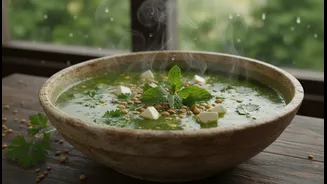
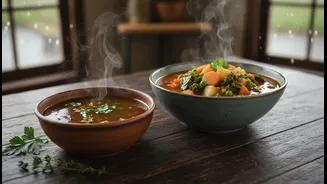
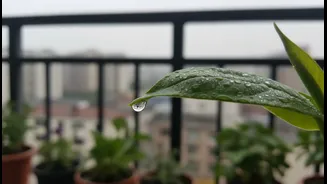
There's a certain magic to a rainy day that makes a warm bowl of soup feel like a hug from the inside. This season, that feeling is driving a major dining trend across India. More than just a simple craving for warmth, the shift towards broths and soups
is rooted in a desire for wellness. The monsoon often brings a slowdown in our digestive systems and a higher risk of infections. In response, many are turning to light, warm, and easily digestible meals that not only provide comfort but also help boost immunity. Soups, packed with vegetables and beneficial spices like ginger, turmeric, and black pepper, fit this need perfectly. They are hydrating at a time when we might drink less water, and they deliver a potent dose of nutrients to help fend off seasonal sniffles.
The Rise of Traditional Broths
Light, flavourful, and deeply nourishing, traditional Indian broths are seeing a major resurgence. These are not heavy, creamy soups, but rather clear, aromatic concoctions that have been part of regional culinary wisdom for generations. Think of the iconic South Indian Rasam, a tangy and peppery broth made with tamarind, tomatoes, and spices. It's celebrated not just for its taste but also as a classic home remedy for colds and poor digestion. Similarly, North India's Yakhni Shorba, a slow-cooked mutton or chicken broth with yogurt and whole spices, offers profound warmth and flavour. Even simple lentil soups, or dal shorbas, are being appreciated for their high protein content and soothing properties. These broths are valued for being gentle on the stomach while providing essential hydration and a comforting warmth that cuts through the monsoon dampness.
Hearty Soups as a Complete Meal
Alongside delicate broths, there's a parallel trend celebrating hearty, thick soups that can stand alone as a complete meal. These are often packed with seasonal vegetables and lentils, making them both filling and highly nutritious. The classic dal soup, a staple in every Indian household, is being rediscovered as a versatile and protein-rich option. Anglo-Indian Mulligatawny soup, with its roots in Tamil pepper water (milagu thanni), combines lentils, vegetables, and sometimes chicken into a rich, fragrant stew. Even Indo-Chinese favourites like Manchow Soup, with its spicy broth, chopped vegetables, and signature crispy noodles, have become a monsoon go-to across the country. Creamy vegetable soups made from pumpkin, carrot, or roasted cauliflower are also gaining popularity, offering a satisfying and nutrient-dense choice for a rainy evening.
The Ayurvedic Wisdom Behind the Trend
This modern dining trend aligns perfectly with ancient Ayurvedic principles for the monsoon season, or 'Varsha Ritu'. Ayurveda advises that digestion, or 'Agni', is weakest during this time, making it crucial to consume warm, cooked, and light foods. Heavy, raw, or cold foods are discouraged as they can be hard on the digestive system. Soups and broths are ideal monsoon foods according to Ayurveda because they are pre-digested to an extent and embody the qualities of being warm and nourishing. The use of digestive spices such as ginger, cumin, black pepper, and turmeric in these preparations is also a key Ayurvedic recommendation to support Agni and bolster the body's immunity against seasonal ailments. This return to soups is, in many ways, a rediscovery of the time-tested wisdom of eating according to the seasons.
Modern Twists on Timeless Classics
While the soul of this trend is traditional, chefs and home cooks are bringing a modern flair to these classic recipes. You might find a traditional Maharashtrian tomato saar (a tangy tomato soup) elevated with fresh basil, or a simple dal soup infused with lemongrass for a contemporary twist. Some are experimenting with different grains like ragi to create earthy, nutritious soups. Others focus on hyper-local, seasonal vegetables to create vibrant and healthy bowls, such as a soup made from drumsticks (moringa), which is rich in Vitamin C and antioxidants. This innovation ensures that while we are reaching for the comfort of the past, our palates are still being excited by new combinations and flavours, making the tradition feel fresh and very much alive in 2026.