
What Are Ultra-Processed Foods?
First, let's clear up a common confusion: 'processed' isn't automatically a bad word. Chopping vegetables, pasteurising milk, or canning beans are all forms of processing that make food safe and accessible. The concern lies with 'ultra-processed' foods
(UPFs). According to the widely used NOVA classification system, UPFs are not just modified foods; they are industrial formulations. Think of them as products made from substances extracted from foods (like fats, starches, and protein isolates) and synthesised in labs. These items undergo complex industrial processes like extrusion and moulding, and contain additives like colours, flavours, and emulsifiers that you wouldn't find in a home kitchen. The goal is often to create convenient, long-lasting, and hyper-palatable products designed for maximum profit.
The Limits of the Nutrition Label
A standard nutrition label is great for understanding a food's nutrient profile—its calories, fat, sugar, and salt content. In India, the Food Safety and Standards Authority of India (FSSAI) mandates this information. However, these labels tell you almost nothing about the extent of processing a food has undergone. A product can be low in sugar or fat and still be ultra-processed. Clever marketing terms like “multigrain,” “fortified,” or “low-fat” can be placed on packages of foods that are heavily engineered. For example, a multigrain bread might sound healthy, but its ingredient list could reveal it's made with refined flours and a host of industrial additives.
Reading Between the Lines of the Ingredients
The true story of an ultra-processed food is often hidden in plain sight: the ingredient list. The first rule of thumb is length. If a product has a very long list of ingredients, it's a potential red flag. The second, more crucial step, is to scan for ingredients you wouldn't use in your own cooking. These are industrial markers that signal a product is likely a UPF. Look for terms like high-fructose corn syrup, hydrogenated or interesterified oils, hydrolysed proteins, and soy protein isolate. Also, watch for cosmetic additives designed to improve texture and taste, such as emulsifiers (soy lecithin, mono- and diglycerides), thickeners (guar gum, xanthan gum), flavour enhancers, and artificial colours. These are hallmarks of industrial formulation, not traditional cooking.
The Sneaky Side of 'Healthy' Claims
Many UPFs are masters of disguise, cloaked in health claims that can be misleading. A cereal may boast it's “fortified with vitamins,” but also be loaded with added sugars and refined starches. A 'sugar-free' product might use artificial sweeteners to mask the off-putting taste of preservatives. In India, while the FSSAI is cracking down on absolute claims like "100% natural," brands still find ways to highlight a single positive attribute (like 'low fat') while distracting from high levels of sodium or hidden sugars (like maltodextrin or glucose syrup). This is why ignoring the front-of-pack marketing and heading straight to the ingredient list is the most empowering thing you can do as a consumer.
A More Mindful Approach to Shopping
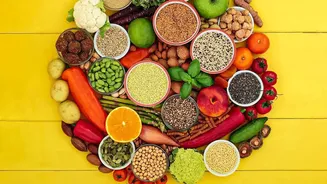
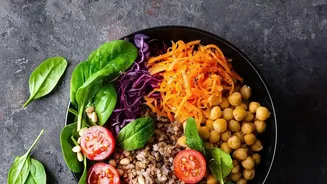
Moving away from a diet high in UPFs doesn't mean you need to be a nutritional scientist. It's about shifting your mindset. Instead of asking only “How much sugar does this have?”, start asking, “How far has this come from its original state?” Prioritise foods with short, recognisable ingredient lists. A good rule is the 'kitchen cupboard test': if the ingredient list reads like a science experiment rather than a recipe, it’s probably a UPF. This doesn't mean you can never eat a packaged snack again. It's about balance. By focusing on whole or minimally processed foods—fruits, vegetables, whole grains, legumes, and fresh meats—you naturally reduce your intake of industrial formulations. Think of your food choices not just in terms of nutrients, but in terms of what the food actually is and where it came from.