






First Steps: Visas and a Game Plan
Before you can dive into a crystal-clear wadi, you’ll need to sort out your visa. Indian citizens require a visa to enter Oman, which can typically be applied for online as an e-visa. You'll need a passport with at least six months of validity, confirmed
return tickets, and proof of accommodation. Options often include a 10-day or 30-day tourist visa, so choose based on your trip's length. The best time to visit for comfortable weather is between October and April, as this helps you avoid the intense summer heat while exploring. Planning your trip during the shoulder months, like September or May, can also lead to cheaper flights and fewer crowds.
Getting There and Around Affordably
Several budget airlines fly from major Indian cities to Muscat, making the flight itself relatively affordable, especially if booked in advance. Once you land, however, getting around requires some strategy. While Oman has public buses connecting major cities, they don't reach the remote wadis and natural attractions. For true freedom, renting a car is the most practical option. To keep costs down, team up with friends to share the price of a small sedan, which is sufficient for reaching popular spots like Wadi Shab and Wadi Bani Khalid. While a 4x4 offers more access, it's not essential for a wadi-focused trip and is significantly more expensive. Remember that fuel is much cheaper in Oman than in India, which helps offset the rental cost.
The Main Event: Oman’s Most Stunning Wadis
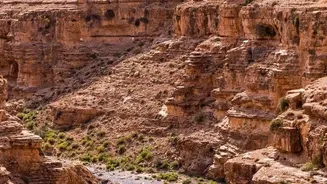
Oman's wadis—riverbeds carved through mountains—offer some of the most spectacular natural swimming pools imaginable. Most are free to enter. A must-visit is Wadi Shab, famous for its 45-minute hike through a gorge that leads to a series of turquoise pools and a hidden waterfall inside a cave. Another favourite is Wadi Bani Khalid, which is much more accessible with no major hike required; its large, clear pools are perfect for a relaxed day of swimming. It’s a popular spot for families and has basic facilities like changing rooms. For something a bit quieter, consider Wadi Tiwi, known for its lush plantations and traditional villages nestled in the canyon.
Smart Savings on Stays and Food
To stick to a backpacker's budget, skip the luxury resorts. Muscat has a growing number of hostels and budget guesthouses, particularly in the Ruwi and Mutrah areas, with dorm beds and basic private rooms available. Outside the capital, look for simple hotel apartments which often include a small kitchenette, allowing you to prepare your own breakfast or snacks. When it comes to food, your wallet will thank you for eating like a local. Oman is home to a large South Asian expatriate community, meaning you can find delicious and cheap biryanis, curries, and rotis everywhere. Also, be sure to try Omani street food staples like shawarma and mishkak (grilled meat skewers), which offer a filling meal for just a couple of rials.
Safety and Respect While Exploring
Exploring wadis is an adventure, but safety is paramount. The biggest danger is flash floods, which can occur suddenly even if it isn’t raining where you are. Always check the weather forecast for the entire mountain region before you go, and never enter a wadi if there's a chance of rain. Wear sturdy shoes with good grip for hiking and water shoes for swimming, as the rocks are extremely slippery. It's also important to respect local customs. Oman is a conservative country. While swimwear is fine in the water, you should cover your shoulders and knees when walking through villages or car parks. A rash guard over your swimsuit is a great practical and respectful option for women.