







Why Coastal Homes Trap Moisture
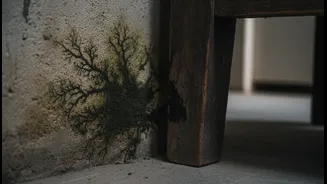
Coastal areas, especially in tropical climates like India's, naturally have high humidity levels, often ranging between 70% and 90%. This moisture-laden air from the sea easily enters our homes. Without proper ventilation, this humid air gets trapped,
creating an ideal environment for mould and mildew to grow on walls, furniture, and clothing. This can trigger allergies, damage wooden items, and create a perpetually damp and uncomfortable living space. Understanding this is the first step to combating it effectively.
Embrace Breathable Textiles
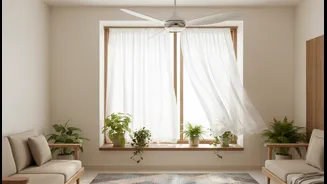
One of the simplest yet most effective changes you can make is switching your home textiles. Heavy, synthetic fabrics trap moisture and prevent air from circulating. Instead, opt for lightweight, natural, and breathable materials that allow air to pass through and help moisture evaporate faster. For your sofas, chairs, and cushions, choose covers made of linen, lightweight cotton, or bamboo rayon. These fabrics are known for their ability to stay cool and dry in humid weather. The same logic applies to curtains and bedding; airy cotton voile or muslin curtains allow for better airflow than heavy drapes, while linen or cotton bedsheets will provide a much more comfortable night's sleep.
Rethink Your Layout for Better Airflow
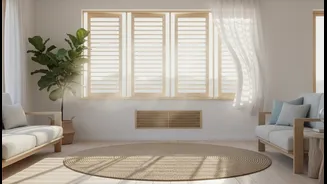
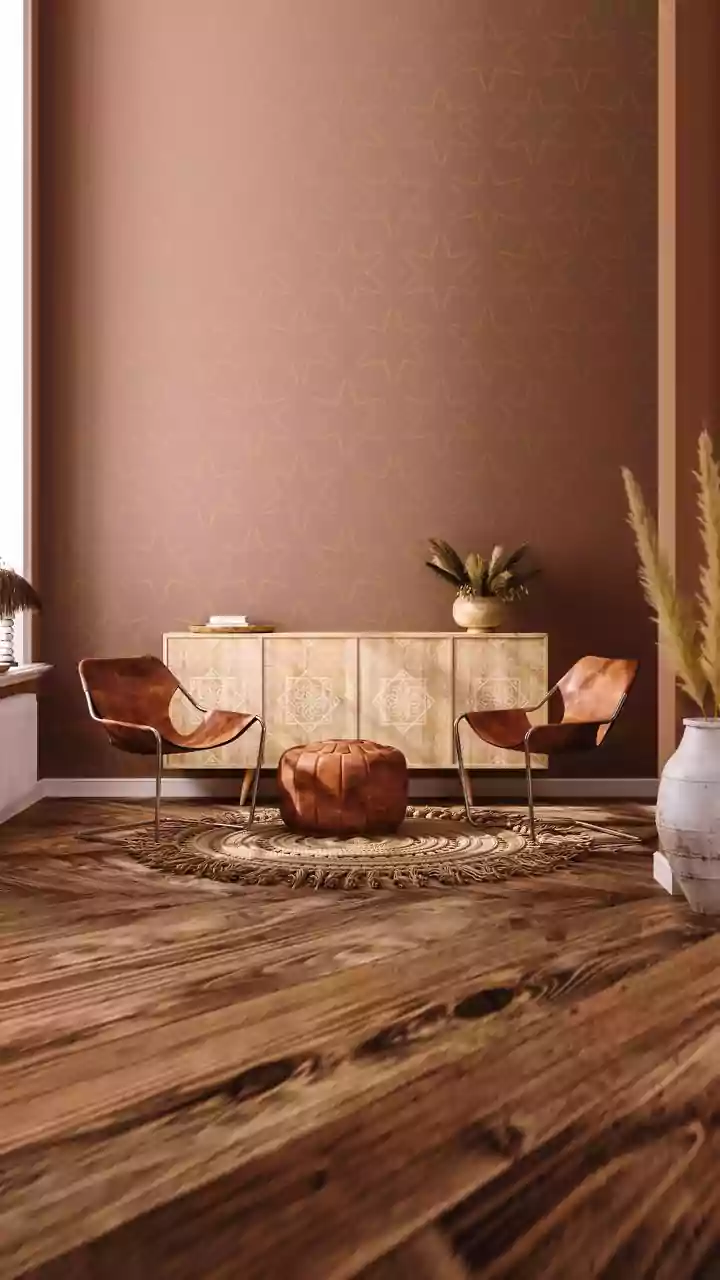
How you arrange your furniture can dramatically impact air circulation. A cluttered room with large furniture pushed against walls can create stagnant air pockets where moisture accumulates. The key is to create clear pathways for air to move freely. Try to leave a few inches of space between large pieces of furniture, like sofas and wardrobes, and the walls. Opt for furniture with legs, such as elevated sofas or platform beds, which allow air to circulate underneath them, preventing heat and moisture from getting trapped. In smaller spaces, consider using open shelving instead of bulky, enclosed cabinets to keep the room feeling airy and prevent hot spots from forming in corners.
Master the Art of Ventilation
Strategic ventilation is your best friend in a coastal home. Whenever the outside air is drier, open your windows and doors to create a cross-breeze that pushes out the damp indoor air. Ceiling fans are also excellent for keeping air moving, which helps with evaporation and makes the room feel cooler. Make it a habit to use exhaust fans in the kitchen while cooking and in the bathroom after a shower to expel steam and moisture immediately. For wardrobes, which are hotspots for mould, consider installing vented panels or simply leaving the doors ajar for a few hours each day to improve air circulation.
Use Natural and Mechanical Dehumidifiers
Beyond ventilation, you can actively absorb excess moisture from the air. Simple, natural solutions can be very effective in smaller, enclosed spaces like cupboards and bathrooms. Bowls of baking soda, activated charcoal, or rock salt can be placed in damp corners to absorb moisture and odours. Dried coffee grounds wrapped in a cloth bag are another great option for wardrobes. For more persistent humidity, investing in an electric dehumidifier is a powerful solution. Many modern air conditioners also come with a dehumidifier mode, which can be very effective during peak monsoon season.
Protect Your Wardrobe and Belongings
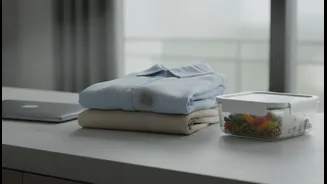
Wardrobes are particularly vulnerable to moisture, which can ruin clothes, shoes, and bags. To protect them, avoid packing items too tightly; this allows air to circulate between them. Using moisture-absorbing products like silica gel packs or natural options like charcoal is crucial. Some even suggest using cedar wood blocks, which are naturally resistant to humidity and repel insects. When choosing new wardrobes, materials like moisture-resistant MDF, PVC panels, or those with laminate finishes are better suited for coastal climates than untreated wood.