

Getting to Know These Humble Grains
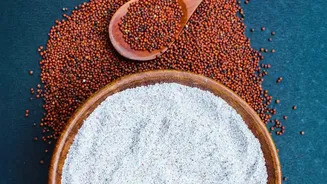
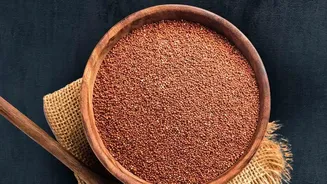
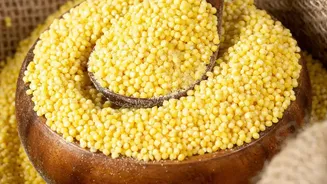
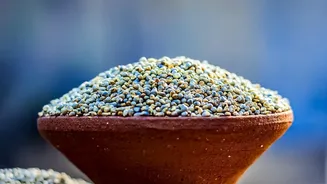
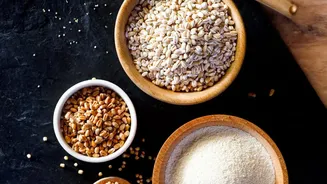
Barnyard millet, known as ‘Sanwa’ or ‘Jhangora,’ and Little millet, called ‘Kutki’ or ‘Samai,’ have been staples in Indian agriculture and cuisine for centuries. Historically, they were valued for their resilience and role in traditional diets, especially
during fasting periods like Navratri, as they are not technically cereal grains but seeds from grasses. This classification has inadvertently confined them to a niche, viewed as food for specific occasions rather than everyday staples. But their story is far richer. These are not poverty crops or mere substitutes; they are powerful, distinct grains with unique textures and a mild, slightly nutty flavour that makes them incredibly adaptable in the kitchen.
A Nutritional Profile That Outshines The Rest
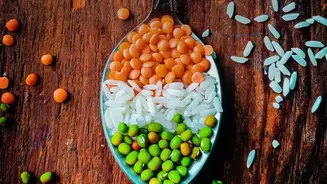
When placed side-by-side with polished white rice or even wheat, the nutritional superiority of these millets is undeniable. Both Barnyard and Little millet are gluten-free powerhouses packed with protein and dietary fibre. Barnyard millet is particularly celebrated for its high iron and phosphorus content, while being low in calories. Little millet is a rich source of iron, magnesium, and essential B vitamins. Their high fibre content ensures you feel fuller for longer, aiding in weight management. Furthermore, they have a low glycemic index, meaning they release sugar into the bloodstream slowly. This quality makes them an excellent choice for managing blood sugar levels and providing sustained energy, unlike the sharp spikes associated with refined grains.
Unlocking Culinary Versatility
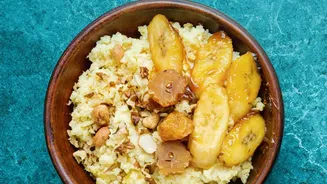
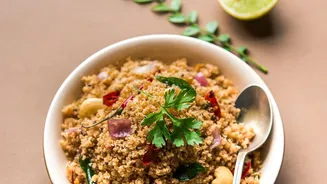
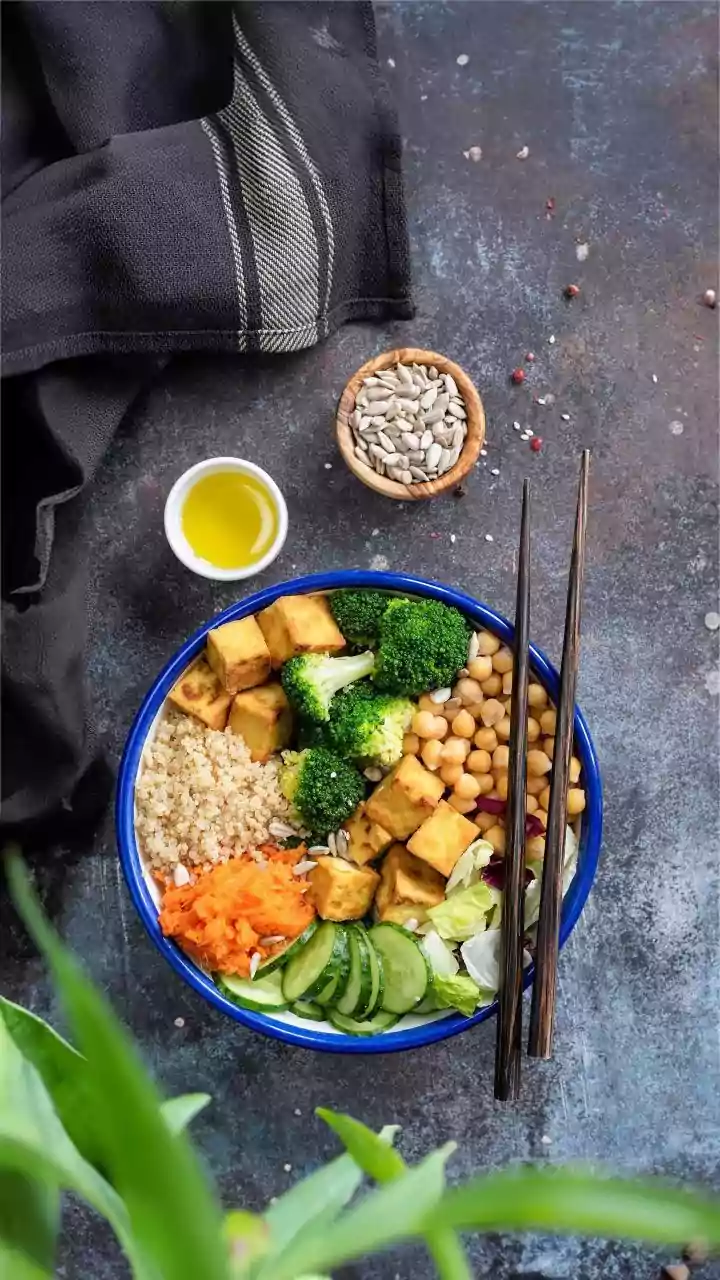
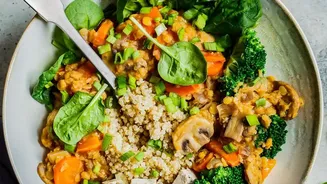
The most significant barrier to these millets entering the mainstream is the perception that they are only good for porridge or khichdi. This couldn't be further from the truth. Their ability to absorb flavours makes them a chef’s delight. Think of Little millet as a fantastic, more nutritious substitute for rice in a vegetable pulao or biryani. Barnyard millet, with its texture similar to broken rice, can be used to create creamy risottos, fluffy upma, and even batters for soft idlis and crisp dosas. They can be ground into flour for baking or used whole in salads and soups, adding texture and substance. The possibilities are not about replacement, but about enhancement, bringing a new dimension to familiar dishes.
Good for You, Even Better for the Planet
In an era of climate change and dwindling water resources, the agricultural case for millets is stronger than ever. Barnyard and Little millet are hardy, drought-resistant crops that can thrive in arid conditions and marginal soil where staples like rice and wheat would fail. They require significantly less water—some estimates suggest up to 70% less than rice—and have shorter growing cycles. This resilience makes them a critical crop for ensuring food security and providing a stable income for farmers in India's drier regions. By choosing these millets, consumers are not just making a healthy choice for themselves, but also supporting a more sustainable and equitable food system.