





From Coastal Staple to Culinary Star
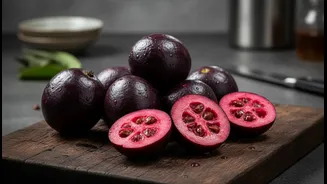
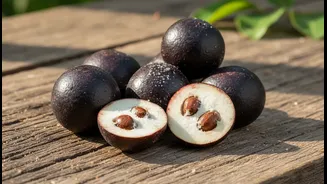
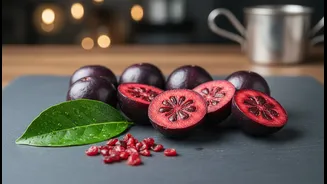
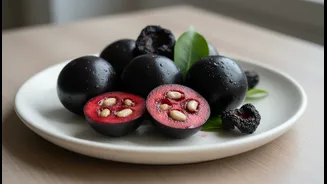
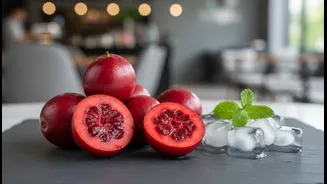
For anyone who grew up along India's western coast, the flavour of kokum (Garcinia indica) is deeply familiar. This small, purple-red fruit, native to the Western Ghats, has long been a cornerstone of Konkani, Goan, and Maharashtrian cuisines. Traditionally,
its dried rind is used as a souring agent, lending a unique tartness and a delicate pink hue to dishes like fish curries and dals. Its most famous application is arguably solkadhi, the quintessential post-meal digestive drink made with coconut milk and kokum. Beyond the kitchen, kokum sherbet is a revered summer cooler, known for its ability to combat the sweltering heat. For years, its influence rarely travelled beyond these regions, often dismissed by others as just another type of souring agent. But that narrative is changing, as a new generation rediscovers its unique charm.
The Modern Health Halo
Part of kokum's newfound popularity is driven by a collective shift towards wellness and natural ingredients. In Ayurveda, kokum is celebrated for its cooling properties and its ability to aid digestion and tackle acidity. Modern science is now catching up with this traditional wisdom. The fruit is a rich source of antioxidants and contains Hydroxycitric Acid (HCA), a compound that has been studied for its potential role in weight management and appetite suppression. As consumers increasingly seek out functional foods, kokum fits perfectly into the narrative of a 'superfruit' that is both indigenous and packed with benefits. This health halo has made it an attractive ingredient for a health-conscious urban audience looking for goodness that is rooted in Indian traditions.
Chefs Championing the Comeback
The real catalyst for kokum's rise, however, has been the creativity of Indian chefs and mixologists. No longer confined to curries and sherbets, kokum is now appearing in the most unexpected and innovative forms. Top restaurants are using its complex sweet-and-sour profile in everything from ramen broths and ceviche to desserts and craft cocktails. Its natural tartness can balance the sweetness of a cheesecake or the richness of a chocolate bonbon. Bartenders are infusing it into gins and creating vibrant daiquiris, appreciating its unique ability to add acidity, colour, and a sense of place to their creations. This culinary experimentation is introducing kokum to a new generation of diners who might be experiencing it for the first time not in a traditional curry, but in a gourmet dessert or a sophisticated cocktail.
A Return to Regional Roots
Kokum's journey from a regional staple to a pan-India trend is part of a much larger, more significant movement in Indian food. Chefs and consumers alike are increasingly looking inwards, championing indigenous ingredients and celebrating the country's vast culinary diversity. This trend is about more than just flavour; it's about preserving agricultural biodiversity, supporting local economies, and forging a modern culinary identity that is confident and authentic. By placing ingredients like kokum, gondhoraj lime, and regional chillies at the forefront, modern Indian cuisine is telling a story of terroir and tradition. It’s a declaration that the future of Indian food lies not in imitating global trends, but in rediscovering and reinterpreting its own rich pantry.