




The Battle for Front-of-Pack Clarity
For years, the most important nutritional information has been hidden in fine print on the back of packages. Now, the Food Safety and Standards Authority of India (FSSAI) is under pressure to change that with Front-of-Pack Labelling (FOPL). This system
is designed to give consumers key health information at a glance, using simple symbols or ratings. The push has become so urgent that the Supreme Court has recently intervened, demanding a decision on implementing these labels. The goal is to help shoppers quickly identify products that are high in unhealthy ingredients like sugar, salt, and fat, which are often linked to lifestyle diseases. This move is part of a larger FSSAI crackdown that has seen the regulator issue over 150 notices to food companies for misleading claims, such as using words like "natural" or "100%" without justification.
Why Is This Happening Now?
The timing is critical. India is facing a growing public health crisis driven by non-communicable diseases (NCDs) like obesity, diabetes, and hypertension. Unhealthy diets are now considered a major contributor to India's total disease burden, and studies have shown that NCDs account for over 60% of all deaths in the country. Simultaneously, the market for ultra-processed foods has exploded, with sales growing by over 150% between 2009 and 2023. Health experts and government bodies have repeatedly called for clearer labelling to combat these trends and empower consumers to make healthier choices. A recent study projects that 450 million Indians could be overweight or obese by 2050, adding significant urgency to the need for regulatory action.
The Great Label Debate: Stars vs. Warnings
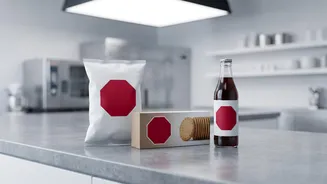
The central conflict is over what these new labels should look like. On one side, many public health advocates and consumer groups are demanding simple, direct warning labels—like a black octagon—that clearly state when a product is “High in Sugar,” “High in Salt,” or “High in Fat.” Studies have shown these warnings are highly effective at influencing purchasing decisions, especially among young people. On the other side, many in the food industry have resisted warning labels, arguing they are confusing and ineffective. The FSSAI had previously proposed an "Indian Nutrition Rating" (INR), a star-based system where products are rated from half a star (least healthy) to five stars (healthiest). However, this proposal failed to achieve consensus among stakeholders and has been withdrawn for further research, following criticism that it could create a misleading “health halo” around junk food.
What Will Actually Change on Your Groceries?
While the front-of-pack debate continues, FSSAI has already pushed ahead with other significant changes set to take effect from July 2027. One major overhaul involves mandatory labelling for bulk and non-retail food packs sold to hotels and caterers, which previously had limited information. These packs must now clearly display product names, FSSAI licence numbers, and other key details to improve traceability. The regulator is also tightening rules on how labels appear, demanding that information be clear, prominent, and applied in a tamper-evident manner. Even without a final decision on FOPL, companies are facing increased scrutiny. Major brands like Nestle and Parle have publicly supported the move towards stricter norms, acknowledging that consumers are increasingly checking ingredients.
How to Be a Smarter Shopper Today
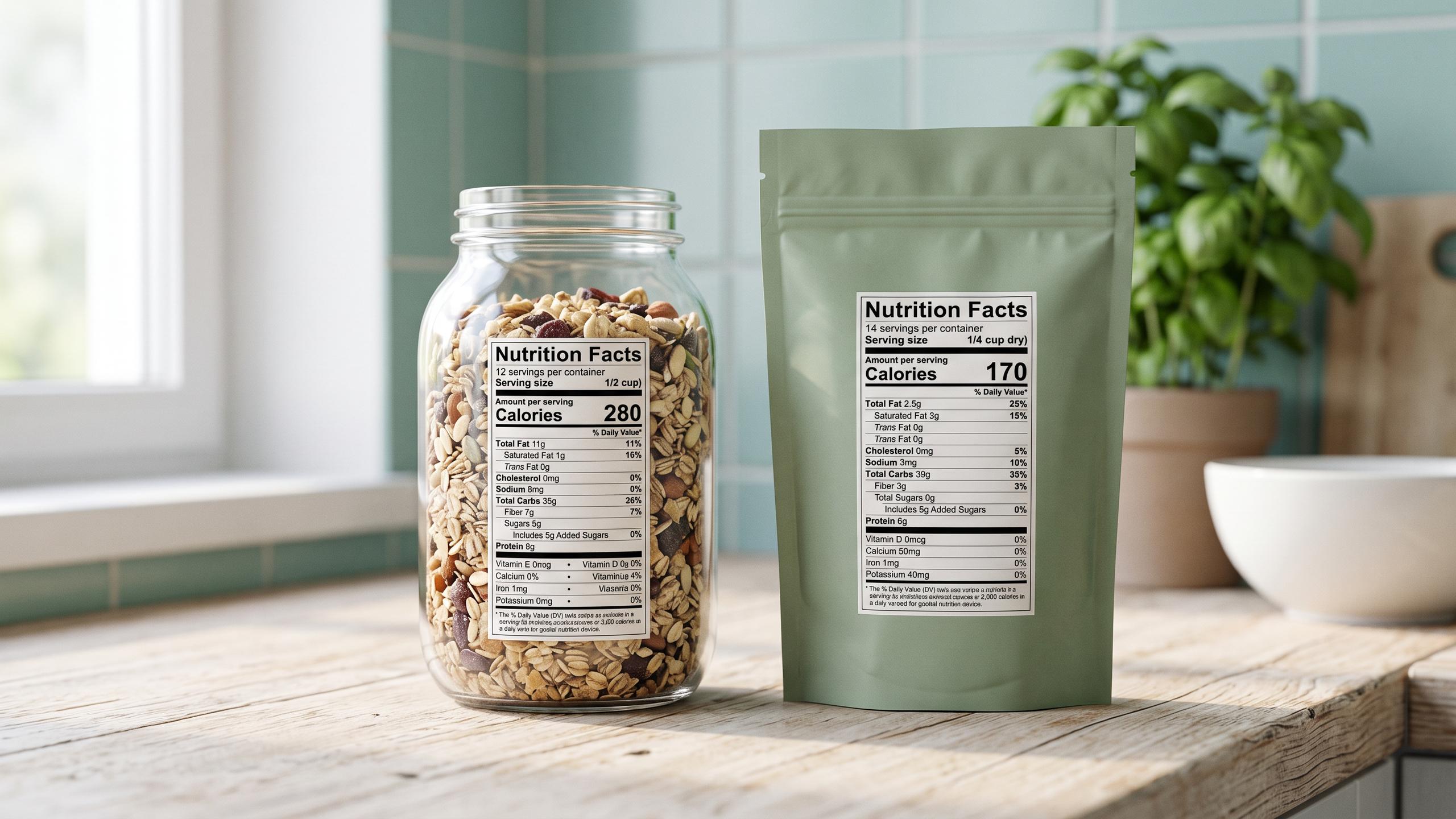
While you wait for these new regulations to be finalised, you can still become a more informed consumer. The first step is to ignore the flashy claims on the front of the package. Turn the product over and read the nutritional information and ingredients list on the back. Ingredients are listed in descending order by weight, so the first few items make up the bulk of the product. Pay close attention to the amounts of total sugar (not just added sugar), sodium, and saturated fat. Look for the FSSAI logo and license number, which confirms the product has met regulatory compliance standards. By getting into the habit of reading the back of the pack, you'll be well-prepared to navigate the new world of food labels, whatever final form they take.