





The ‘More Sauce’ Mistake
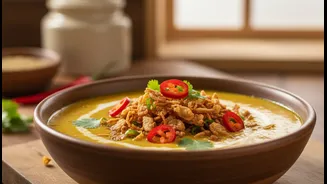
When a dish feels bland or one-note, the common impulse is to double down on its primary component. Is your pasta not flavorful enough? Add more marinara. Is a curry tasting a bit dull? Spoon in more coconut milk. While this can sometimes work, it often
leads to what chefs call palate fatigue. Our brains are wired to seek variety; when every bite is identical in taste and texture, we quickly become bored. The dish becomes heavy and monotonous, and no amount of extra sauce will fix it. The real problem isn't a lack of flavor, but a lack of contrast. By simply adding more of what's already there, we’re ignoring the elements that truly make food exciting. A truly memorable dish engages the senses with a dynamic interplay of different sensations.
Acidity: The Ultimate Brightener
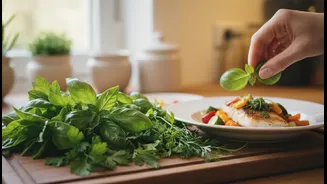
If you learn only one trick to elevate your cooking, let it be this: add a splash of acid. Acidity is the secret weapon in a chef’s arsenal for a reason. It cuts through richness, balances sweetness, and makes all the other flavors in a dish pop. Think about a rich, fatty dish like pulled pork; a sharp, vinegary barbecue sauce provides a necessary counterpoint that makes the meal feel lighter and more complex. The same principle applies to a squeeze of lemon over grilled fish or fried calamari. That little bit of sourness brightens everything, preventing the richness from becoming overwhelming. When your food tastes like it's missing something, don't automatically reach for the salt. Often, what it really needs is a hit of acid from lemon juice, lime juice, vinegar, or even yogurt or buttermilk.
Texture Is a Form of Flavor
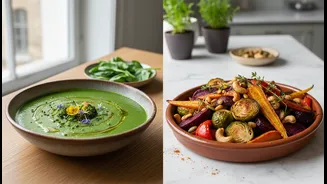
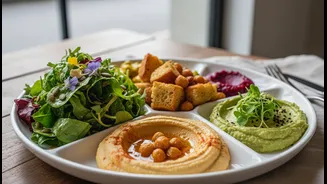
We often think of flavor as being limited to the five basic tastes: sweet, salty, sour, bitter, and umami. But texture plays an equally crucial role in our enjoyment of food. A meal with a uniform, monotonous texture can feel boring, even if its flavors are well-balanced. Introducing textural contrast—pairing creamy with crunchy, or soft with crispy—prevents this sensory boredom and makes each bite more interesting. Consider a smooth butternut squash soup; it's comforting, but it becomes far more satisfying with the addition of crunchy, toasted pepitas or crispy croutons. A simple salad is elevated by the crunch of nuts or seeds. This interplay of textures keeps our brains engaged and enhances our overall perception of flavor.
Playing with Hot and Cold
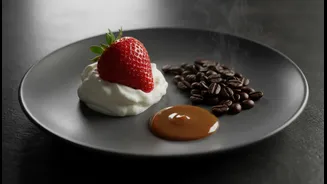
One of the most underutilized forms of contrast in home cooking is temperature. The juxtaposition of hot and cold elements in a single dish can create a surprisingly delightful sensation. The most classic example is a warm brownie or apple pie topped with a scoop of cold vanilla ice cream. The contrast not only feels good in your mouth but also enhances the flavors. Heat amplifies our perception of sweetness, while cold can provide refreshing relief. But it doesn't just apply to desserts. Think of a warm grain bowl topped with cool avocado and a dollop of cold yogurt, or a hot steak served with a crisp, cold salad. This simple technique can make a meal feel more intentional and dynamic without adding a single new ingredient.
The Sweet and Salty Secret
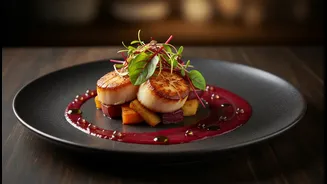
Pairing opposite flavors is a classic technique for creating complexity. The most famous of these is the combination of sweet and salty. Salt has a unique ability to enhance sweetness while also balancing other flavors. This is why a sprinkle of sea salt on a chocolate chip cookie or a piece of caramel is so irresistible—the salt doesn't just make it salty; it makes the sweet notes taste more intense and complex. Similarly, a little bit of sweetness can balance out bitter or sour flavors. A touch of honey in a vinaigrette can tame the sharpness of the vinegar, while a pinch of sugar can reduce the bitterness in a tomato sauce. This balancing act is what transforms a collection of ingredients into a harmonious and satisfying dish.