







Why Sprouted Gram is a Nutritional Powerhouse
Whole green gram, or moong, is already a staple in Indian kitchens, celebrated for its high protein content. The magic, however, happens when you sprout it. The process of germination transforms this humble legume into a nutritional superstar. Sprouting
increases the bioavailability of nutrients, meaning your body can absorb them more easily. Vitamin C levels skyrocket, while levels of phytic acid, an anti-nutrient that can hinder mineral absorption, decrease significantly. The result is a food that's not only richer in vitamins and minerals but also easier to digest. The complex carbohydrates break down into simpler sugars, providing a steady release of energy without spiking blood sugar, and the fibre content helps keep you full and supports gut health. It’s the perfect foundation for a meal that is both light and deeply satisfying.
How to Sprout Green Gram at Home
Making your own sprouts is incredibly simple and requires no special equipment. It’s a rewarding process that connects you to your food. Here’s a foolproof method: 1. **Rinse and Soak:** Start with about half a cup of whole green gram. Rinse it thoroughly under running water a few times. Place the beans in a large bowl and cover them with at least double the volume of water. Let them soak for 8-10 hours, or overnight. 2. **Drain and Rest:** After soaking, the beans will have plumped up. Drain all the water completely. You can use a colander or a muslin cloth. Rinse the beans one more time with fresh water and drain again. 3. **Sprout:** Place the drained beans in a colander, cover it with a plate, and leave it on the kitchen counter. Alternatively, you can tie them loosely in a clean muslin cloth and hang it. The key is air circulation. Rinse and drain the beans every 10-12 hours to keep them moist and prevent them from spoiling. Within 24-48 hours, you'll see small white tails emerging. Your sprouts are ready when the tails are about a centimetre long.
The Ultimate Sprouted Chaat Recipe
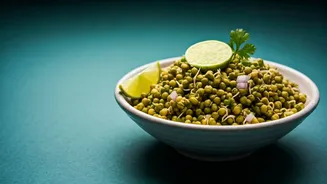
Now for the fun part—turning your fresh sprouts into a delicious chaat. This recipe is a template; feel free to adjust the quantities to your taste. **Ingredients:** - 2 cups fresh sprouted green gram - 1 medium onion, finely chopped - 1 medium tomato, finely chopped - 1 green chilli, finely chopped (optional) - 1/4 cup fresh coriander, chopped - 1/2 teaspoon chaat masala - 1/4 teaspoon roasted cumin powder - A pinch of red chilli powder (to taste) - Black salt (kala namak) to taste - Juice of half a lemon or to taste **Instructions:** In a large bowl, combine the sprouted green gram, chopped onion, tomato, green chilli, and coriander. Gently toss everything together. Sprinkle over the chaat masala, roasted cumin powder, red chilli powder, and black salt. Squeeze the fresh lemon juice all over the mixture. Give it one final toss to ensure all the ingredients are well-coated with the spices and lemon juice. Serve immediately to enjoy the fresh, crunchy texture.
Customise Your Clean Chaat
The beauty of chaat lies in its versatility. While the recipe above is a clean, classic version, you can easily adapt it to what you have on hand or what you're craving. - **Add More Veggies:** Grated carrot, finely chopped cucumber, or colourful bell peppers add extra crunch, nutrients, and colour. - **Introduce Fruit:** A handful of pomegranate arils provides sweet, juicy bursts that contrast beautifully with the tangy spices. - **A Touch of Sweetness:** For a hint of classic chaat flavour, a small drizzle of tamarind-date chutney can be added. Look for low-sugar versions or make your own at home to keep it clean. - **For a Softer Texture:** If you prefer your sprouts less crunchy, you can lightly steam them for 3-4 minutes before adding them to the chaat. Be careful not to overcook them, as this can diminish some nutrients.